
Woof.
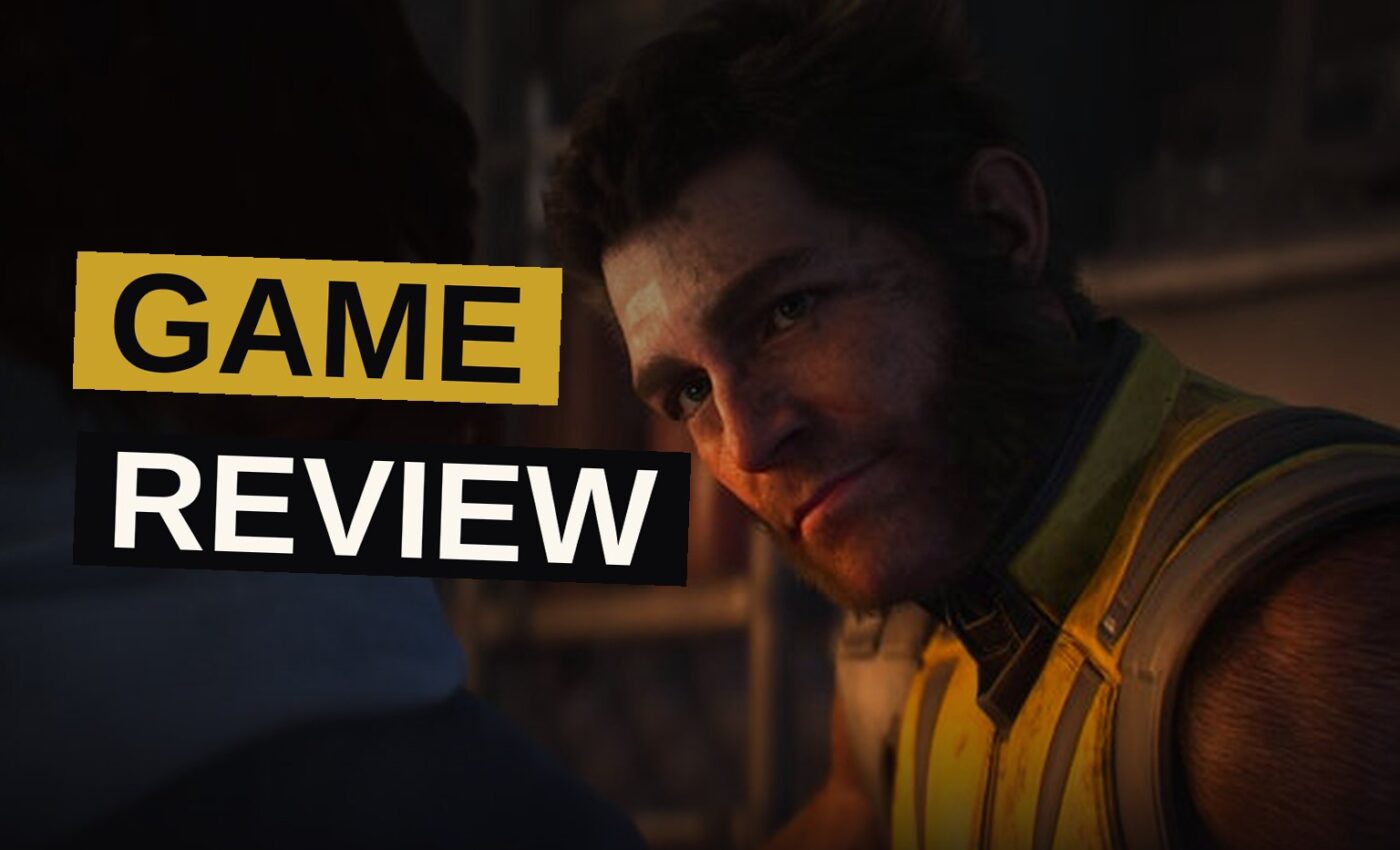
Marvel’s Wolverine is here, and it’s not the game anyone expected. The new PlayStation title drops Logan into a linear, story-driven adventure that trades the open-world formula for something tighter — and, according to the review, a lot more repetitive. The big surprise? This Wolverine is charming.
The game’s review paints a picture of a familiar action title carried by an unexpectedly warm performance from its main character. Logan is openly vulnerable, emotive, apologetic, kind, per the review, which is a far cry from the gruff, traumatised antihero most fans know from the X-Men films. It’s a straight-up action hero turn, and the charm carries the experience.
Logan’s Puppy-Dog Charm
The review’s headline sets the tone: “uninspired action carried by Logan’s puppy-dog charm.” That’s the core takeaway. The combat and structure are nothing new, but the characterisation of Wolverine himself elevates the whole thing.
The reviewer notes that Wolverine has long seemed like a perfect fit for video games. He has combat skills, a diegetic reason to heal infinitely, and the ability to sniff out objectives. He can climb walls and jump far. The modern “prestige” triple-A protagonist mould — the gruff, traumatised, middle-aged guy with molten tragedy beneath the surface — is exactly the kind of role Wolverine fits perfectly.
Instead, this Logan is different. He’s kind. He apologises. He emotes. The review calls him “a totally charming one,” and credits that charm with carrying a game that otherwise plays it safe.
The reviewer also points out that this characterisation is a deliberate choice that runs against expectations. Wolverine, who could have been the one true sad-but-tough middle-aged protago-dude to end them all, is instead written as openly vulnerable and apologetic. That’s a striking decision, and the review suggests it’s the game’s strongest creative call.
The PlayStation Formula Problem
The review doesn’t mince words about the broader context. PlayStation’s first-party offerings have started to merge into one, the reviewer writes. Count the Sony-developed games in the past five years with grapple hooks, climbable ledges, parries, gliders, RPG-lite skill trees, waist-high grass, and a rage meter that fills until you press L3+R3 or L2+R2 for an ultimate, and the formula reveals itself.
Marvel’s Wolverine has about half of those things. The review is quick to note that none of it is groundbreaking, but it can still be very, very good fun. The reviewer admits to being a sucker for big, punch-powered bombast when developers get it right, pointing to Returnal as an example of familiar mechanics woven into something new.
The reviewer’s larger point is that these mechanics, while overused across the industry, aren’t inherently bad. The problem is execution and pacing. When a game like Returnal takes the familiar and makes it spectacular, the formula works. When a game just goes through the motions, the familiarity becomes a drag.
A Linear Format That Slogs
One of the game’s biggest points of difference is its linear format. The reviewer notes this could have been refreshing — compact, concentrated, full of highlights. Instead, it does nothing to prevent the game from becoming a repetitive, overlong and overfamiliar slog.
That’s a harsh line, and it lands early in the review. The structure doesn’t save the game from its own familiarity. Even with the linear approach, the game drags.
The reviewer suggests the linear format was a missed opportunity. It could have offered a chance for compactness and concentrated highlights, a break from the not-quite-open-world format that dominates so many PlayStation titles. But the execution falls short, and the game ends up feeling just as padded as its open-world peers.
No X-Men, New Team X
The narrative setup is a genuine deviation. There are no X-Men in Marvel’s Wolverine’s universe — or at least no team by that name. Instead, Logan is a member of Team X, a deeper cut from the comics.
Team X has been reworked too. Rather than the government unit from the comics, this Team X is run by Nathanial Essex, a mysterious psychic-powered man from the 1800s. Essex is voiced and mo-capped by Troy Baker, who brings an enjoyably arch English accent to the role.
Essex runs a refuge called the Essex Institute, where the team rescues increasingly scarce mutants. The setup feels more like an alt-universe X-Men than a prequel to the team’s formation.
The review notes that this deviation from any specific comic story will be familiar to anyone plugged into X-Men lore. The broad strokes of where this is heading are predictable, and the game doesn’t do much to subvert those expectations.
Predictable Storytelling
If you know X-Men storylines, you’ll see every turn coming. The review says even players lightly aware of the franchise will predict each beat long before it happens. The storytelling is broad and obvious, with themes of found family and resistance against the militarised rounding-up of minorities present and correct.
The upside, the reviewer notes, is some especially satisfying skull-mashing. The downside is that none of it is exactly subtle.
The review also flags a structural problem with how the story is delivered. A lot of the great character work is happening off-screen. The first third of the game is essentially order-following for Essex, and the key events that follow simply cascade down from doing stuff because that’s what needed doing at the time.
A Disorientating Opening
The game opens in media res, with a bombastic tutorial level that’s actually Wolverine’s return to the team he’d apparently previously left. The problem? The player never saw Wolverine anywhere but firmly in the team. It feels back to front.
This is a minor thing, but the reviewer says it’s a symbol of something wider. There’s little of the usual soul-searching, small town Americana Logan you might expect — especially from that barroom tease that revealed the game, which never happens in it.
As a result, Wolverine can feel like a passenger in his own story. The review suggests this is a significant flaw, because the game’s main selling point is its lead character. When that character is relegated to following orders and reacting to events, the experience loses some of its charge.
What Works and What Doesn’t
Let’s break down the review’s key points:
- Logan’s characterisation is the highlight — vulnerable, kind, apologetic, charming
- The linear format fails to prevent repetition and overlong pacing
- The PlayStation formula elements are present but not groundbreaking
- Team X and Nathanial Essex offer a fresh narrative setup
- The storytelling is predictable and unsubtle
- The opening is disorientating due to in media res structure
- Wolverine feels like a passenger in his own story
- The combat is fun but uninspired
- The character work often happens off-screen rather than in playable moments
That’s a mixed bag.
The Bottom Line
Marvel’s Wolverine is a game of contradictions. It has a fresh take on a beloved character but wraps it in a tired structure. It offers a new narrative direction but makes every turn predictable. It’s carried by charm but dragged down by repetition.
The picture is clear enough: this is a game you’ll enjoy in the moment, with a lead performance that carries the experience. The puppy-dog charm is real. Whether that’s enough to carry a full-length action game is another question.
The review’s verdict is implicit rather than explicit. It doesn’t declare the game a failure or a triumph. Instead, it presents a title that succeeds on the strength of its characterisation while struggling with pacing, predictability, and a structure that fails to elevate the material.
That’s the state of Marvel’s Wolverine. A charming lead in a familiar world, doing familiar things, with a smile on his face and claws in his hands. It’s not the game anyone expected.
Source: eurogamer.net
Get the Notebook.
The day's best stories and every fresh verdict, in plain English, in your inbox by seven. One email a day, no more.