
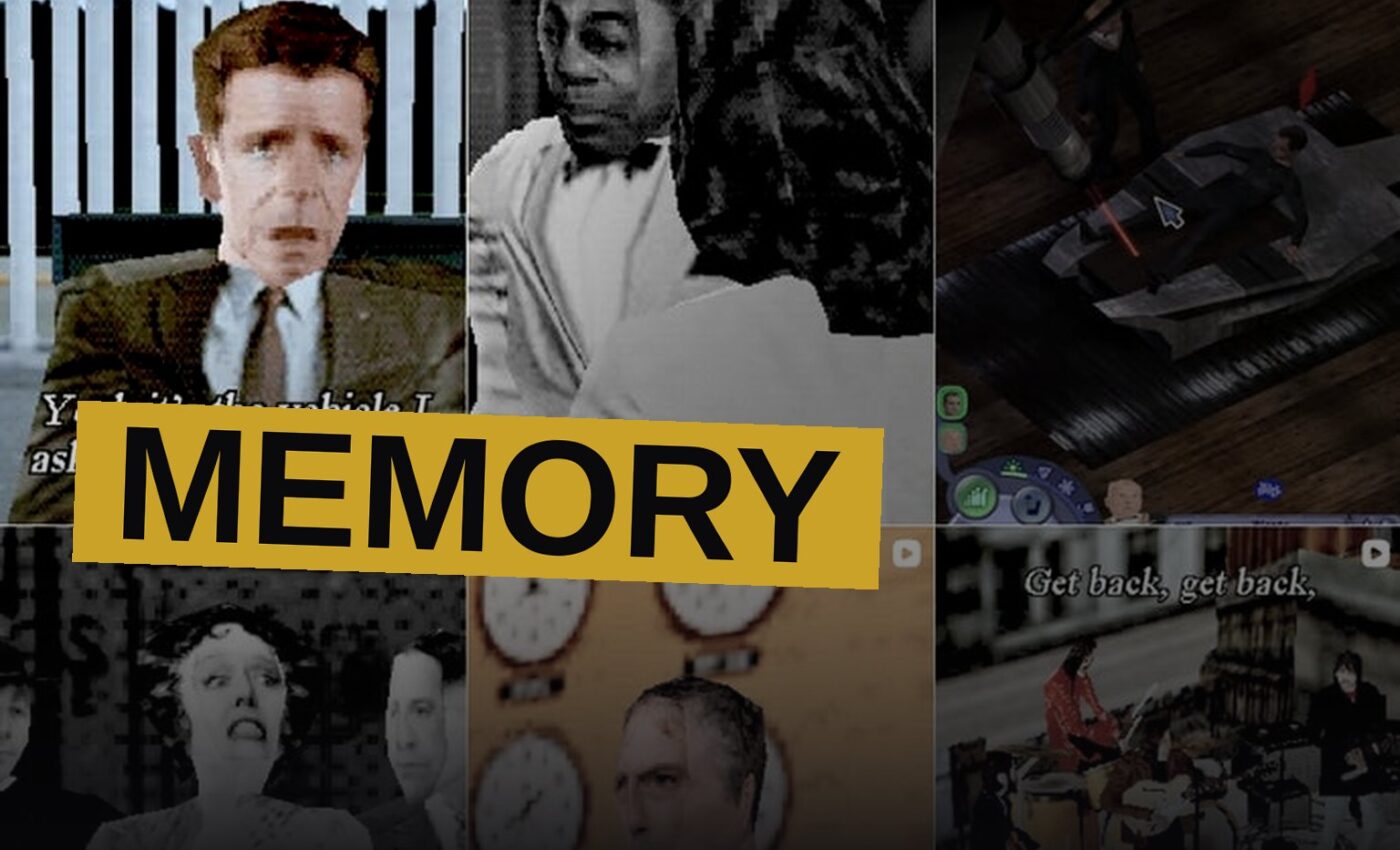
Miles Buckle takes classic film scenes and drops them into the look of old video games. The result is a feed full of strange, funny, and oddly touching short clips that feel like a dream you could not build yourself. His Instagram feed recreates famous moments from movies like The Shining, Twin Peaks, and Network in the stiff, comic style of games like The Sims 2 and SimCity 2000. It is a window into both nostalgia and fiction.
Buckle’s Early Work
Buckle started making this kind of work as a teenager. A family friend showed him Blender, the 3D software, and he got hooked on the idea of making things without limits. He says the software let him break free from the rules of Lego and Minecraft, where you are stuck with what the toy or game lets you build.
His path toward low-poly art began with a Twin Peaks fan game demo called Into the Night, found on itch.io. That demo was pulled after a copyright dispute forced it offline. Buckle says the removal pushed him harder into his own work.
Nights Bridge and the Memory Project
For his degree show, Buckle made a short game called Nights Bridge. He bought a desktop computer from the 1990s off eBay, took out its old parts, and replaced them with modern hardware. The screen, the tower, and the keyboard were all decades old.
He describes the game as a story about memory and how it changes over time. The setting is ordinary — cooking, taking a bath, checking the mail — but the game slowly shifts its look as memories grow distant. Buckle says the present is realistic, then the past gets softer, moving from PS1 graphics to a Mario-style side scroller. The idea is that as memory fades, so does the picture.
The game is not playable anywhere now. Buckle still has the files, but he could not export it from Unreal at the time. He also used copyrighted music and assets, which means he likely cannot share it online.
Why the Mashups Work
What makes Buckle’s videos stand out is not just the humor. He thinks seriously about the original films and the games they imitate. Each clip carries a real sense of the technical rules that shaped the era it comes from.
One example is his recreation of Fellini’s 1973 film Amarcord as a late 90s/early 2000s isometric game. The clip captures the dreamy, surreal quality of the film while adding the slice-of-life comedy common to adventure games from that time. Buckle says he chose films that studios would never turn into games.
“I’m drawn to films they would never make a video game of.”
He sees the problem as practical. Someone owns the rights to these films, and a faithful game version would never get approved. He wants a space where that kind of project could exist.
The Technical Problem
Buckle’s work also touches on how we judge video games by their look. He points out that if a filmmaker chooses black-and-white today, viewers assume it is a choice, not a budget limit. In games, an 8-bit or PS1 look often reads as a sign of a small team. He wonders how to make a game that looks dated without that assumption sticking.
His own career shows the tension between craft and copyright. He built a working computer from scratch for his degree show, hauling it home on foot. Most of his classmates worked on typography and book design, and Buckle says the project was well received, but people were more curious about the hardware than the idea behind it.
| Event | Detail |
|---|---|
| Degree show | Short game Nights Bridge, shown on a 1990s desktop computer |
| Copyright dispute | Into the Night demo pulled from itch.io |
| Game format | Nights Bridge moves from realistic to PS1 to Mario-style graphics |
The videos continue to grow. Buckle keeps finding new films to reimagine, and each one adds another layer to his personal archive of memory and play.
The work is a reminder that the line between fiction and nostalgia is thin. Buckle’s clips are not just jokes. They are small, precise acts of homage, made with real care for the original films and the games that shaped his own imagination.
Get the Notebook.
The day's best stories and every fresh verdict, in plain English, in your inbox by seven. One email a day, no more.