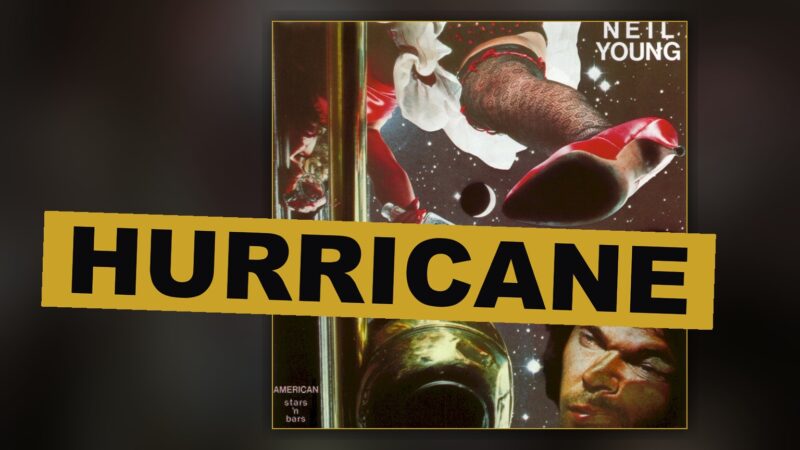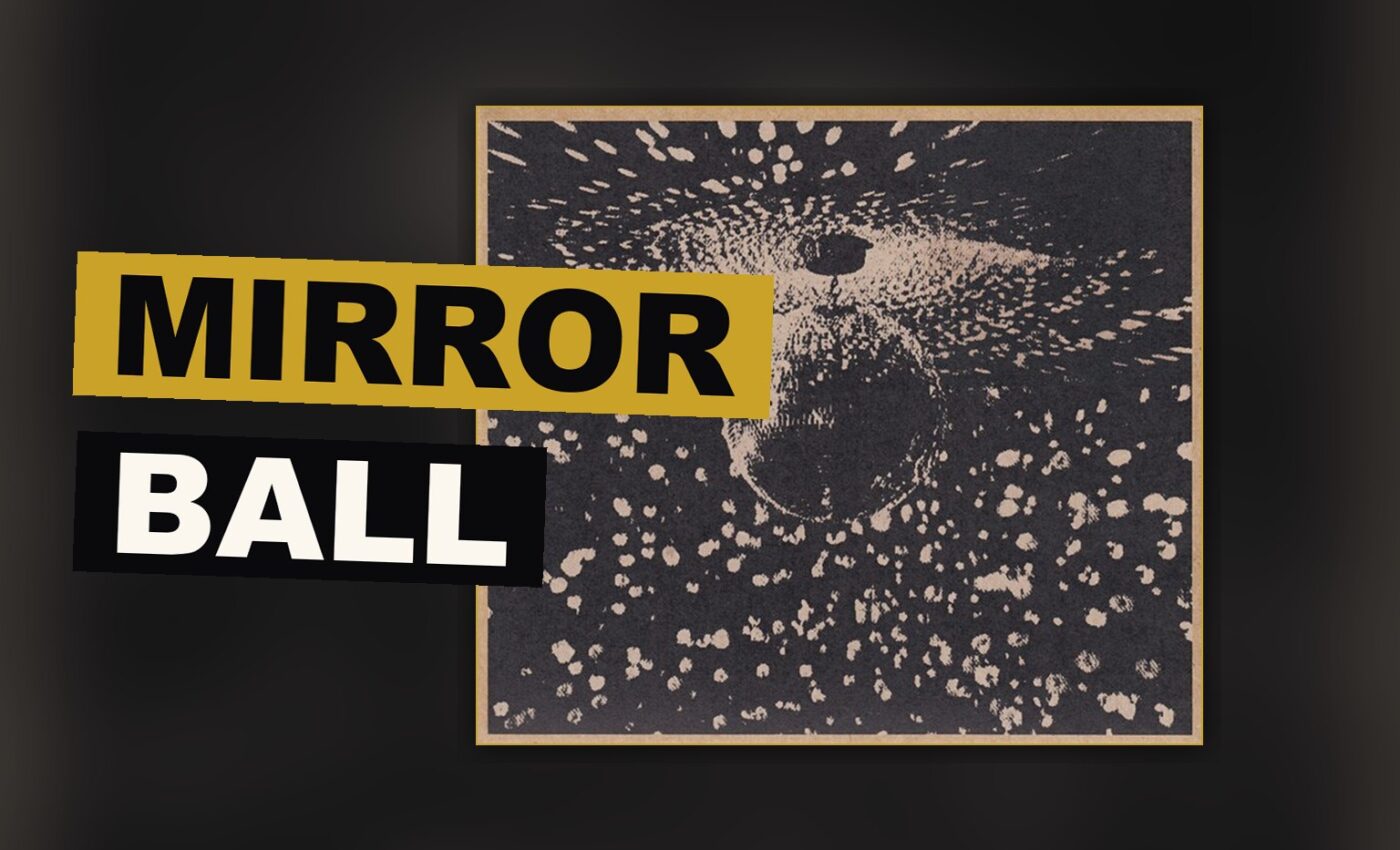
Neil Young made Mirror Ball in 1995, joined by a backing band that gave him a harder, louder sound than usual. Eleven tracks, 54 minutes, cut fast and loud, with Young trading his usual careful playing for a band that hits hard and does not wait around. The album wants to sound live and loose, and mostly it does.
Opening Tracks Set the Tone
“Song X” opens the record at 4:39 and sets the terms right away: guitars piled on guitars, Young singing like he is chasing the band rather than leading it. It is a strong opener because it does not try too hard to sell the pairing — it just plays.
“Act of Love” and “I’m the Ocean” follow, and the second is the better song by a wide margin. At 7:03 it takes its time, and Young lets the words move through his usual pictures — rivers, roads, unrest — without the song losing shape. It is one of the tracks that earns the album’s length.
A Middle Run of Songs
“Big Green Country” and “Truth Be Known” sit next in line. “Big Green Country” earns its place with a heavy, deliberate push; “Truth Be Known” is passable but plain, the kind of track that exists mostly to keep things moving.
“Downtown” is a high point. It has a hook Young does not always bother with, and the band gives it a drive the rest of the record only reaches toward.
“What Happened Yesterday,” at 45 seconds, is a fragment, not a song — a short break that cuts the pace right before the record’s back half.
Long Songs Take Over
“Peace and Love” runs 7:02 and never quite earns its length. It drifts where “I’m the Ocean” holds firm.
“Throw Your Hatred Down” hits harder than anything else here, and it works because Young sounds like he means every word — a direct track that cuts through the record’s loose shape.
“Scenery,” at 8:48, is the record’s boldest moment, a long, open piece that either rewards patience or tests it. It is loose, but it is the kind of loose Young clearly wanted.
“Fallen Angel” closes things out in 1:16, a quiet finish after all the noise — short, plain, and gone before it fully lands.
Strengths Set Against Its Faults
The record’s strength is its freedom. Young sounds engaged in a way he had not in years, and the band gives him a wall of sound instead of a backing track. The record’s weakness is that the same freedom cuts both ways: several tracks feel like early takes rather than finished songs, and the words rest hard on pictures Young has used before — oceans, roads, angels — without doing much new with them.
| Element | Where It Succeeds | Where It Falls Short |
|---|---|---|
| Energy and performance | “Song X,” “Throw Your Hatred Down,” “Downtown” | “Truth Be Known” |
| Ambition | “Scenery,” “I’m the Ocean” | “Peace and Love” |
| Pace of the record | Full tracks in general | “What Happened Yesterday,” “Fallen Angel” |
One review noted the record has a quickly made, easy feel rare for a veteran act, and that holds true. The freedom is real, and it is rare, and it is also the reason the album does not hold together as tightly as it could.
Adding Up the Score
Mirror Ball is good when it commits and thin when it coasts. “I’m the Ocean,” “Downtown,” “Throw Your Hatred Down,” “Song X,” “Scenery,” and “Big Green Country” carry the record; the rest fills the space around them. AllMusic called it a mixed record, and that is the fairest read of it — not a failure, not a triumph, just Young and his backing band playing without much editing.
It is not the career high point some wanted it to be, but it is not a loss either.
The pairing is real, the energy is real, and six tracks here stand with anything Young made in the 1990s.
Get the Notebook.
The day's best stories and every fresh verdict, in plain English, in your inbox by seven. One email a day, no more.
- Song X4:39
- Act of Love4:53
- I'm the Ocean7:03
- Big Green Country5:07
- Truth Be Known4:35
- Downtown5:08
- What Happened Yesterday0:45
- Peace and Love7:02
- Throw Your Hatred Down5:43
- Scenery8:48
- Fallen Angel1:16