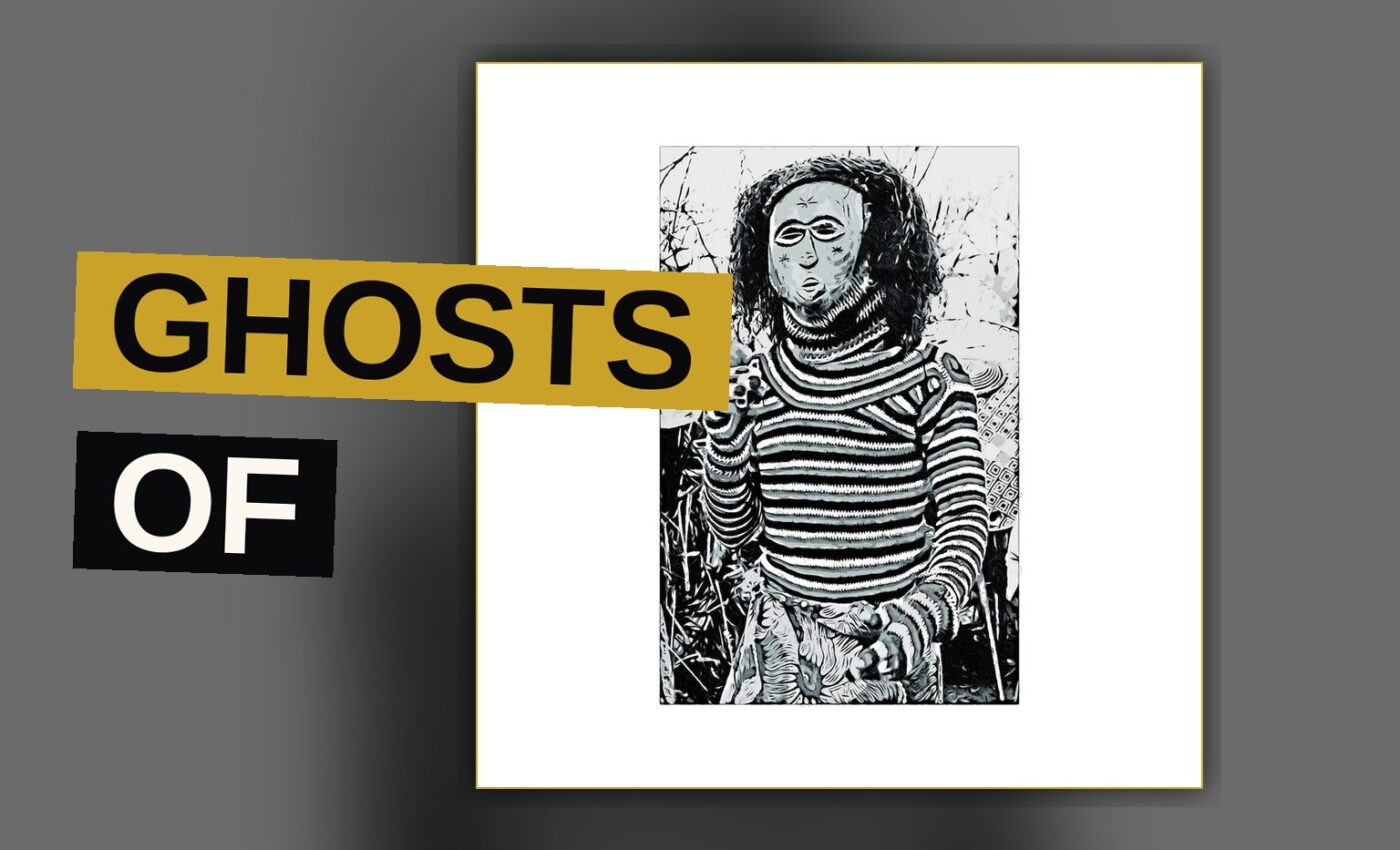
Moor Mother and billy woods have made a record that wants to be both a history lesson and a ghost story. BRASS is a 15-track, 43-minute album that pairs the Philadelphia rapper’s mystical, ritualistic sound with billy woods’ grim, literate rap about power and corruption. The result is a record that moves between dread and prophecy, with production that smooths over the harsh edges of their solo work into something cohesive and atmospheric.
The goal is to fuse two distinct voices into one conversation about American history, race and memory. Whether they pull it off depends on which track you’re listening to.
Furies Opens With a Warning
“Furies” sets the tone immediately. Moor Mother’s verses recall ancestral anger and collective memory, while billy woods leans into grim storytelling. The song’s title track is the clearest statement of intent: these artists are dealing with the ghosts of the past, and they aren’t afraid to name them.
“The Blues Remembers Everything the Country Forgot” follows with a blunt thesis. The country has forgotten its crimes against Black Americans, and the blues remembers everything. It’s a short, pointed track that doesn’t waste a second.
“Maroons” shifts the focus to freedom fighters who escaped slavery and built hidden communities. It’s one of the tracks critics singled out, and it earns that attention by grounding the album’s abstract themes in actual historical resistance.
Rapunzal and the Middle Stretch
“Rapunzal” is a standout. Its title references the fairy tale, but the lyrics are about the prison industrial complex and the way society locks people away. The song’s hook is a line that criticizes LeBron James’ public image while praising his skills: “Fly like LeBron in the night / Supersonic flight / But they don’t want me to shine / Because I remind them of the fight.” It’s a sharp, specific critique that lands.
“Arkeology” is less successful. The track’s title suggests digging through history, but it feels like filler compared to the surrounding songs. It’s not bad, but it doesn’t add much to the overall argument.
“Blak Forrest” picks things back up. The title references a forest of Blackness, and the song explores the idea of Blackness as a natural, unbroken force. It’s one of the tracks critics singled out, and its imagery is vivid enough to stick.
Mom’s Gold and Chimney
“Gang for a Day” is a short, punchy track about temporary alliances and betrayal. It’s competent but slight, and it passes quickly.
“Mom’s Gold” is better. It’s a track about family, wealth and the complicated inheritance of privilege. The song’s hook is a line that criticizes the music industry’s treatment of women: “They don’t want me to shine / Because I remind them of the fight.” It’s a powerful statement from Moor Mother, and it’s one of the tracks critics singled out.
“Chimney” is a slow-burning track that builds tension over its three-and-a-half-minute runtime. It’s moody and atmospheric, but it doesn’t break new ground.
“Rock Cried” is a brief interlude that references rock formations as witnesses to history. It’s a clever concept, but it’s also a bit thin.
Scary Hours, Guinness and the Back Half
“Scary Hours” is a track about anxiety and survival. It’s not particularly memorable, and it fades into the background.
“Guinness” is a short, surreal track that references the beer brand and the myth of the creature. It’s a strange detour, but it’s not essential.
“Tiberius” is a track about the Roman emperor and the weight of power. It’s dense and literary, and it rewards close listening.
“Giraffe Hunts” is the album’s best moment. The title is absurd, but the song is a sharp critique of colonialism and exploitation. It’s one of the tracks critics singled out, and it’s easy to hear why. The production is lighter, the flow is looser, and the message is devastating.
“Portrait” closes the record with a reflection on identity and representation. It’s a fitting end to an album that has spent its runtime examining how America sees itself.
What Works and What Doesn’t
The album’s strengths are its specificity and its range. Moor Mother and billy woods bring different perspectives to the same subjects, and the record is richer for it. The production, which is credited to Moor Mother, smooths out their harsh solo sounds into something cohesive. That cohesion is the album’s biggest achievement.
The weaknesses are scattered across the middle stretch. Tracks like “Arkeology,” “Gang for a Day” and “Rock Cried” feel like they’re going through the motions without adding much to the overall argument. They’re not failures, but they’re not highlights either.
The Verdict
BRASS is a strong, ambitious record that mostly delivers on its promises. The best tracks — “Rapunzal,” “Mom’s Gold,” “Giraffe Hunts” — are genuinely excellent. The weaker tracks are still serviceable, and they don’t drag the album down. This is a record that rewards attention, and it’s one that will likely grow in stature with repeated listens.
8 of 10.
Key Facts Box
- Artist: Moor Mother & billy woods
- Album: BRASS
- Release type: Album
- Tracks: 15
- Total running time: 43 minutes
- Score: 8 of 10
Track List
| # | Track |
|---|---|
| 1 | Furies |
| 2 | The Blues Remembers Everything the Country Forgot |
| 3 | Maroons |
| 4 | Rapunzal |
| 5 | Arkeology |
| 6 | Blak Forrest |
| 7 | Gang for a Day |
| 8 | Mom’s Gold |
| 9 | Chimney |
| 10 | Rock Cried |
| 11 | Scary Hours |
| 12 | Guinness |
| 13 | Tiberius |
| 14 | Giraffe Hunts |
| 15 | Portrait |
- Furies2:58
- The Blues Remembers Everything the Country Forgot3:01
- Maroons3:26
- Rapunzal3:05
- Arkeology3:43
- Blak Forrest2:28
- Gang for a Day3:17
- Mom’s Gold2:13
- Chimney3:59
- Rock Cried2:29
- Scary Hours2:44
- Guinness2:09
- Tiberius3:13
- Giraffe Hunts2:39
- Portrait2:27