
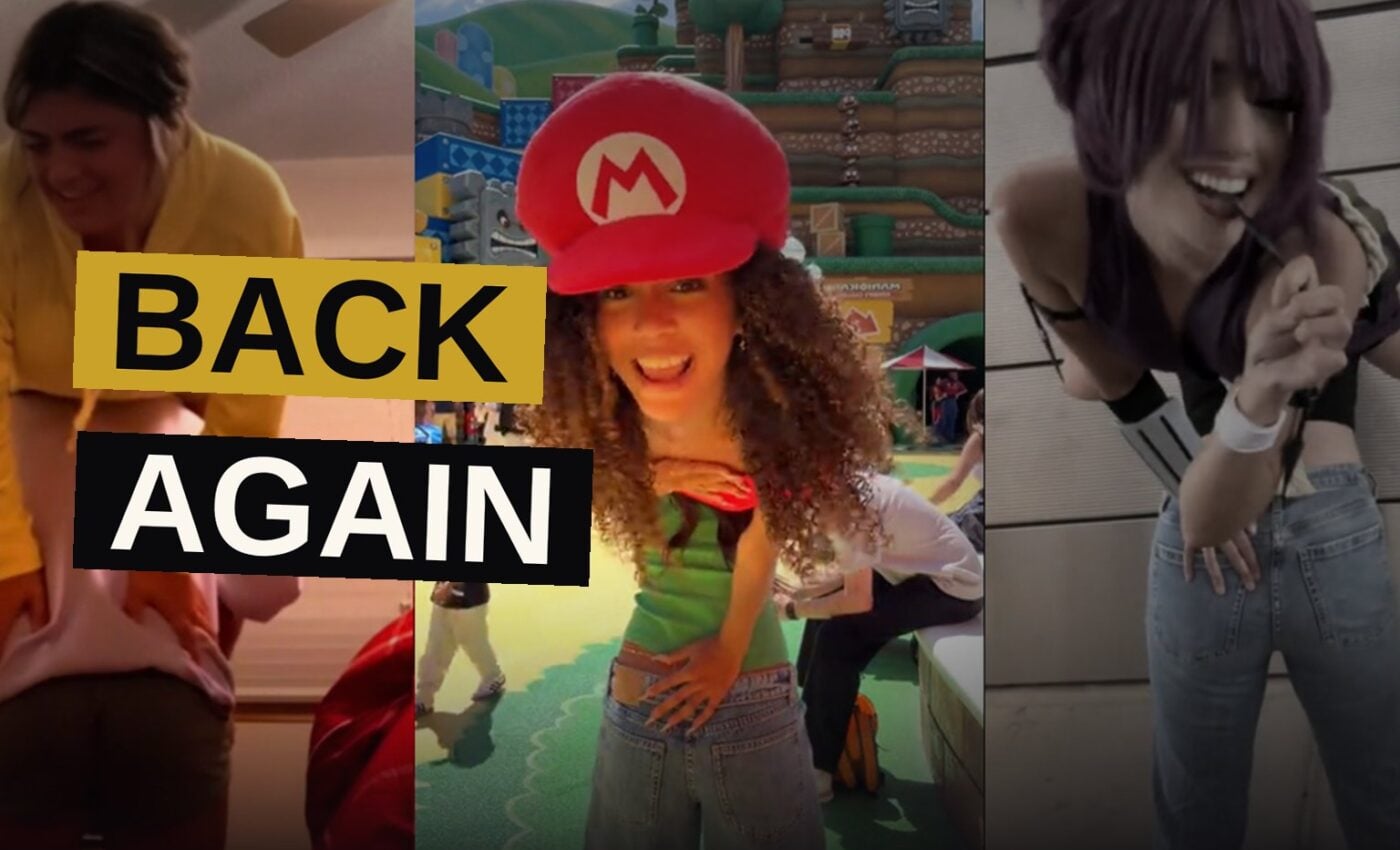
A dance trend that started in 2021 with someone being held upside down over a partner’s back is back on TikTok, and it has brought a whole new wave of videos to the platform. The “No Type” Challenge, set to the hip-hop song “No Type” by Rae Sremmurd, saw a big surge in popularity between May and September 2026.
How the Dance Works
The challenge follows a simple pattern. One person holds another upside down over their back, lip-syncs to the song, then turns around and lets the person on the back finish the lip-sync. The move looks exactly as odd as it sounds.
The trend began in July 2021 on TikTok, and it kept spreading through the following years. Now it is back in full force, with creators finding fresh ways to make the old move feel new again.
The Video That Started It All
The earliest known example comes from TikToker @iamkelianne, who posted a video on July 5th, 2021. In it, two people lip-sync to the song, with one participant holding the other upside down on their back. The woman holding the man lip-syncs first, then turns and lets the man finish the song.
The video gained over 627,000 likes in five years, making it one of the defining posts in the trend’s early days. The post also carries a caption that reads “The struggle 😂,” along with a credit to @chasemattson.
The Mid-2026 Comeback
The trend did not disappear after 2021. It kept popping up in smaller waves, but the biggest resurgence came in mid-2026. That is when the challenge finally caught fire again, with videos starting to pile up fast.
On May 1st, 2026, TikToker @sarkoco posted a video where he pretends to do the trend with Judy Hopps from Zootopia. The post garnered over 434,000 likes in four months, which shows how quickly the challenge could still draw attention.
What Makes It Stick
The appeal of the “No Type” Challenge is partly structural. It is a dance that is easy to explain, even to someone who has never seen it before. One person holds another upside down, then turns around, and the lip-sync continues.
That simplicity has kept the trend alive for years. New creators keep picking it up, and each new version brings a fresh audience along with it.
The Recent Posts
The trend has produced a steady stream of new videos since its comeback in 2026. Here is a look at some of the recent entries:
- Alyforlife2 posted “We don’t got no type 😏🍄”
- Deja Clark posted a video with the caption “🦦 #fypage #viral #blowup #fyp #viralvideo”
- A user posted with the caption “@agentgirl“
- A user posted “Only thang @Olivia Dunne”
- A user posted a group video with the caption “#fyp #foru #night #viral #hungary”
Each of these posts carries its own personality, but they share the same underlying move. That mix of individual style and shared routine is part of why the trend has lasted this long.
The Numbers Behind the Surge
The “No Type” Challenge has moved through several phases since it started. The chart below tracks the major moments in the trend’s history, from its first appearance in 2021 to its current surge in 2026.
| Date | Event |
|---|---|
| July 5th, 2021 | @iamkelianne posts the earliest known example |
| May 1st, 2026 | @sarkoco posts the Judy Hopps parody |
| August 30th, 2026 | A group video is posted |
These dates mark the key points in the trend’s timeline, from its first recorded post to its biggest recent wave.
Why This Trend Keeps Coming Back
The “No Type” Challenge is not the only dance trend that has had a second life on TikTok. The platform has a history of trends that resurface years after they first appeared. Some of those comebacks are driven by new music, while others depend on a core move that remains appealing even when the context changes.
The “No Type” Challenge has stayed with the platform across several years, fading into the background before returning with renewed energy in 2026. That pattern suggests the move itself is the draw, not the song or the moment.
The Verdict
The “No Type” Challenge is a silly move, and it knows it. That self-awareness is part of its charm. Creators are not pretending the upside-down hold is serious; they are doing it for the laugh, and the laughter travels.
The challenge has proven it can return with new energy in 2026. It started in 2021, faded, and came back stronger in 2026. That is a long run for a dance that mostly involves holding someone upside down.
The trend is unlikely to fade again soon. It has already shown it can return with more energy.
Get the Notebook.
The day's best stories and every fresh verdict, in plain English, in your inbox by seven. One email a day, no more.