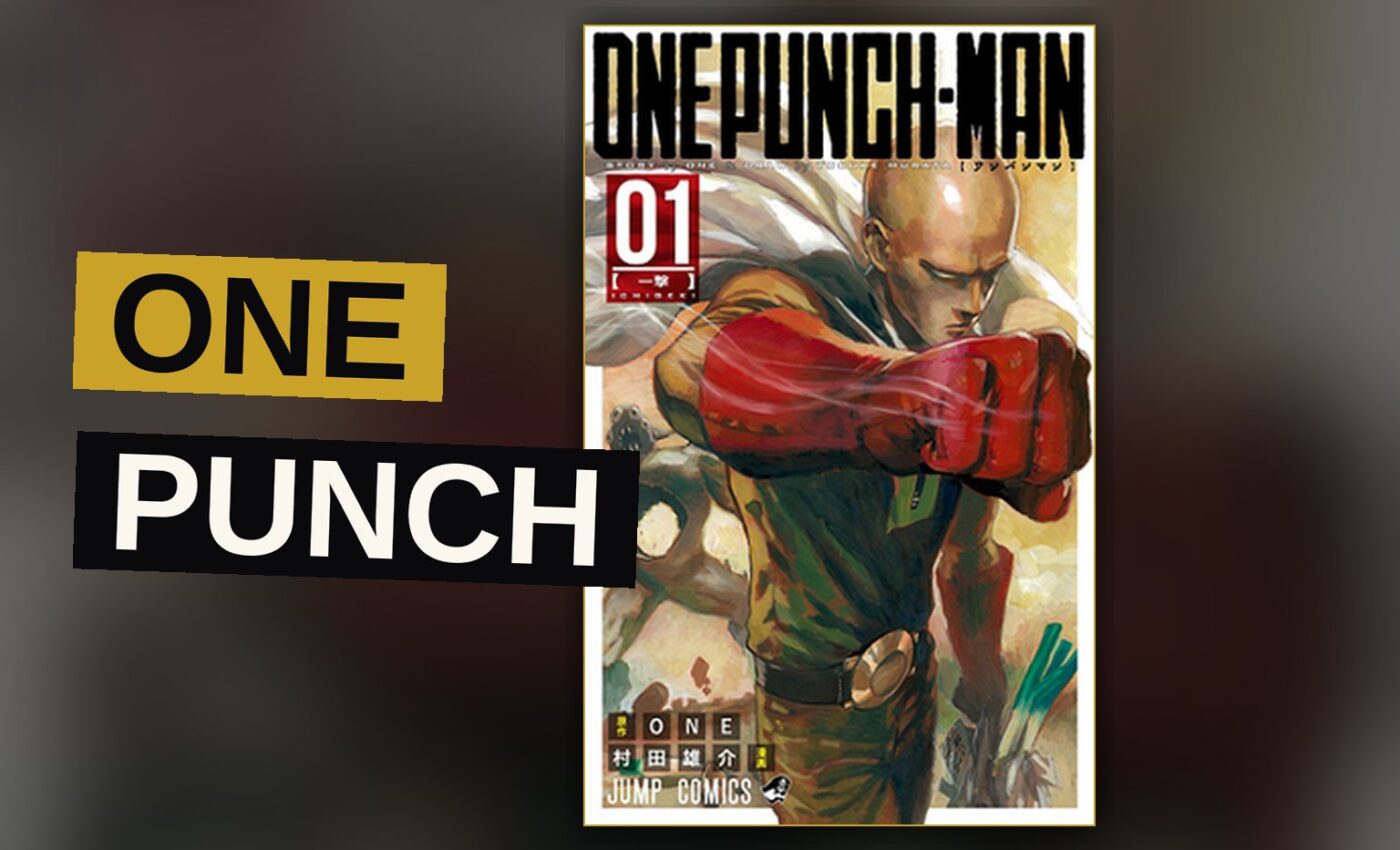
One-Punch Man is a show about a hero who hits everything once and wins. That sounds simple. It is simple. And it is also one of the sharpest, funniest anime adaptations of a webcomic ever made.
The story follows Saitama, a man who became a hero after a single punch defeated a monster. He is so powerful he never breaks a sweat. The twist is that he finds the act of saving the world boring. His quest becomes finding a worthy opponent, not just another monster to defeat. The show tracks his attempts to find that challenge while managing the quirks of his fellow heroes.
Trailer, via vizmedia.
Saitama’s Boredom
Saitama is the anchor of the series. He is a bald, ordinary-looking man who can destroy anything with a single strike. The joke is that his power is absurdly high, but he acts like a normal guy. He wakes up late, eats cereal, and complains about how easy fighting monsters is. The contrast between his godlike strength and his mundane habits is the engine of the comedy.
His best friend is Genos, a cyborg who bought his powers online. Genos is a straight man to Saitama’s wild card. He is earnest, loyal, and genuinely terrified of Saitama’s strength. Their relationship is the emotional core of the show, even when the action gets silly.
The Hero Association
The main villains are not really villains at all. They are members of the Hero Association, a bureaucratic organization that ranks heroes based on their power and fame. The association is run by the smarmy Sukezara, who wants to climb the ladder. The show spends time on the politics of being a hero, which adds a layer of satire to the action.
The association also includes a parade of colorful characters, from the hyperactive Speed-o’-Sound Sonic to the mysterious Tornado the Destroyer. Each character gets a chance to shine, and the show’s willingness to let minor figures become major threats for an episode keeps the pacing fresh.
Comedy Over Drama
The humor is the real star. The show is a parody of shonen tropes, but it never mocks them too harshly. It just lets the absurdity play out. Saitama’s one-hit kills are played deadpan, and the reaction shots from his opponents are priceless. The show knows when to hold back on the action and let a joke land.
The pacing is fast. Episodes rarely drag, and the show moves between fights, jokes, and character moments with ease. The animation is clean and expressive, and the fight scenes are choreographed with flair.
The Power Rankings
The show’s structure revolves around the power rankings, a list of the strongest heroes. Saitama sits at the top, but the show refuses to explain how he got there. This mystery is part of the appeal. The show suggests that power is not just about strength, but about confidence and resolve.
The supporting cast is full of memorable types:
- Speed-o’-Sound Sonic, a hyperactive speedster who talks a mile a minute.
- Tornado the Destroyer, a silent, mysterious fighter.
- Genos, the earnest cyborg sidekick.
- Sukezara, the smarmy association official.
- Flashy Flash, a flashy hero whose name says it all.
Each character has a distinct personality, and the show gives them room to develop over the season.
The Weakness Problem
The show has a weakness problem. Saitama’s power is so overwhelming that most fights are over before they start. The show acknowledges this by making him bored, but it still means the stakes feel low. Some episodes rely too heavily on Saitama’s one-punch solution, and the tension dips.
The show also struggles with its tone. It wants to be a serious adventure, but the comedy keeps undercutting the drama. This is not necessarily a flaw, but it means the show rarely reaches the heights of emotional weight found in other anime.
The Legacy
One-Punch Man was adapted from the webcomic of the same name. The adaptation stays faithful to the spirit of the original, keeping the humor and the absurdist premise intact. The show ran for two seasons, and it spawned a sequel series that continues the story.
The show’s influence can be seen in later anime that lean into parody and self-aware humor. Its success shows that audiences want stories that are smart and funny, not just epic.
Key Facts
- Title: One-Punch Man
- Seasons: Two seasons, plus a sequel series
- Format: Anime adaptation of a webcomic
- Main character: Saitama
- Running time: About 24 minutes per episode
- Score: 10 of 10
Final Word
One-Punch Man is a masterclass in comedic timing and character design. It takes a simple idea and runs with it, delivering laughs, action, and a surprisingly warm heart. The show is not perfect, and its power dynamic can be frustrating, but it is consistently entertaining.
It earns its perfect score because it commits fully to its own vision. It is a show about a man who hits things once, and it never stops being funny.