
=== ARTICLE ===
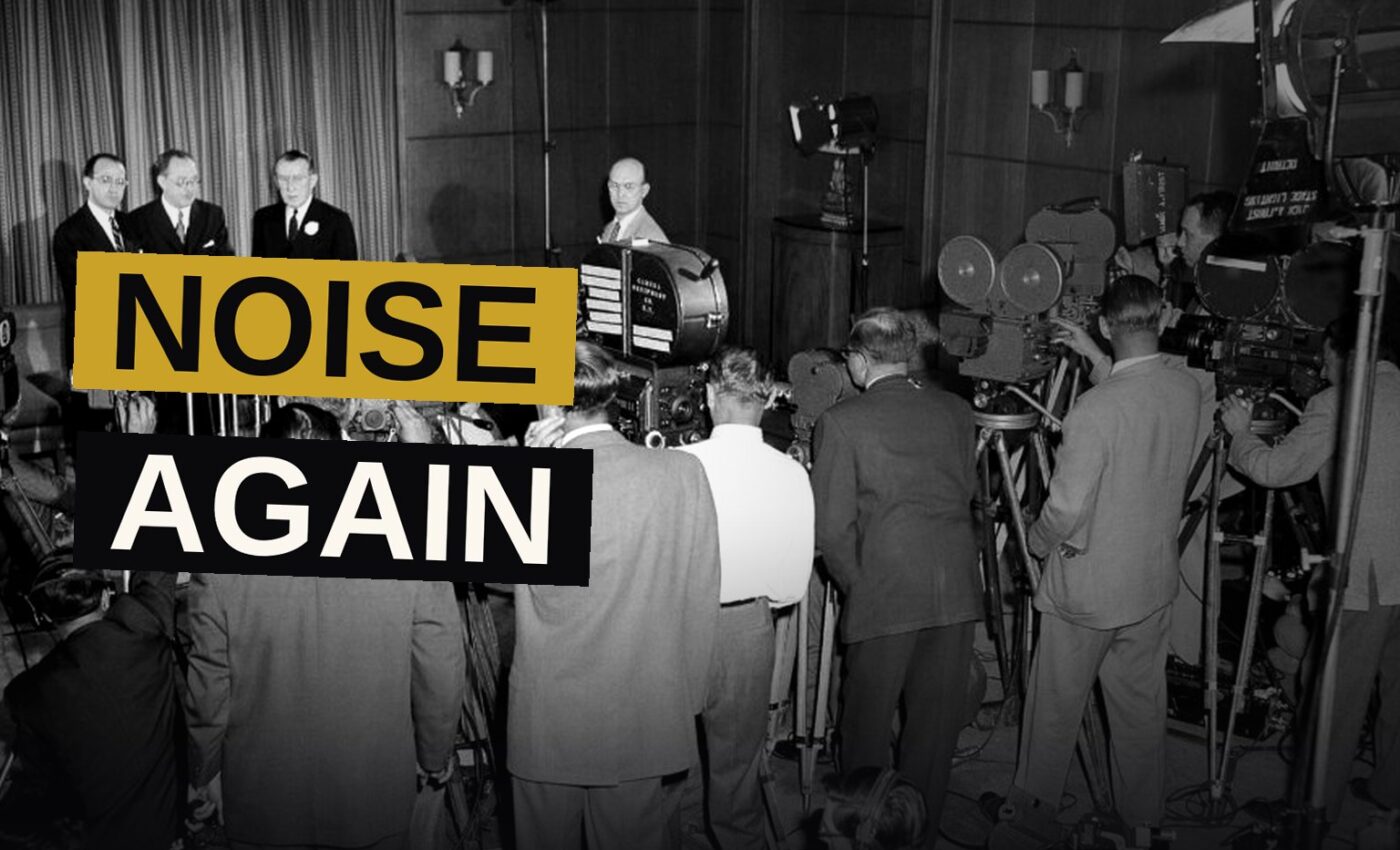
On April 12, 1955, the nation celebrated a vaccine like a holiday. Thomas Francis Jr., who had led the trials of Jonas Salk’s polio vaccine, called reporters together to share the results — and what unfolded was less a briefing than a spectacle.
The room filled with journalists. In movie theaters across the country, tens of thousands of doctors gathered to listen to the broadcast, while ordinary families crowded around their radios at home. The news was decisive: the vaccine was effective. A disease that had terrorized households for generations had finally been beaten.
One documentary captured the scene this way: “Factory whistles blew, school children cheered, parents wept.” Front pages declared “POLIO IS CONQUERED,” and shopkeepers scrawled “Thank you, Dr. Salk” across their storefront windows. When Salk appeared, the crowd rose in a standing ovation that wouldn’t quit, cementing his place as a national hero.
Seventy-one years later, in 2026, the story looked very different. On Sept. 2, a group of leading medical organizations released independent findings on flu, Covid-19, and RSV vaccines. Another press conference followed, and the news was again reassuring — the vaccines remained safe and still offered strong protection against severe disease and death. But this time, there was no fanfare.
| Event | Date |
|---|---|
| Polio vaccine announcement | April 12, 1955 |
| Salk vaccine trials completed | Before April 12, 1955 |
| Sept. 2 announcement | Sept. 2, 2026 |
Officials spoke of “informed decisions,” “shared commitment,” and “restoring trust.” The American Medical Association rolled out a new website stocked with JAMA studies and downloadable charts — but no faces, no personal stories, nothing to stir emotion. The mood was flat and clinical. Hardly a celebration.
The 1955 Movement
Francis’ 1955 announcement didn’t come out of nowhere — it was the payoff of years of organizing. Over 1.8 million children had taken part in Salk’s trials, earning the nickname “polio pioneers,” each given a commemorative card that many treasured for years afterward. Parents nationwide rallied their communities to donate to the cause, and millions answered the call.
That grassroots effort delivered results: within less than ten years of the celebratory announcement, U.S. polio cases had plunged by 97%.
What Happened in 2026
By contrast, the 2026 announcement passed almost unnoticed. Officials used careful, guarded language about informed choices and shared responsibility. The accompanying website offered plenty of data but little that felt personal or relatable.
Why the Energy Matters
Robert F. Kennedy Jr.’s organization, Children’s Health Defense, understands how to mobilize people. Supporters are branded “defenders” enlisted in an “army of truth.” They carry signs, organize film nights and reading groups, sell branded merchandise, and are urged to “grab a couple friends” every first Saturday of the month to confront vaccine supporters directly.
No comparable pro-vaccine effort currently matches that intensity — a real missed opportunity, since that kind of grassroots passion is precisely what has worked before.
The Pandemic Surge
There was a period, though, when pro-vaccine enthusiasm did run high. Public health communications consultant Adam Zimmerman recalls getting his first Covid shot in a Six Flags parking lot, where cars honked in celebration after each person was vaccinated. Social media filled up with vaccine selfies and “I got vaccinated” stickers. States rolled out inventive incentives — cash prizes worth millions, college scholarships — and Major League Baseball even gave away free game tickets.
That enthusiasm mattered: Covid vaccines are credited with saving millions of lives.
What Went Wrong
But the momentum faded. As backlash against Covid vaccines grew, the pro-vaccine camp responded by retreating into caution — becoming more guarded, more sterile, more reserved. That reaction, however, was a misstep.
Raising vaccination rates now requires pairing solemn commitment with genuine enthusiasm. People — supporters and the undecided alike — need a reason to feel inspired, and a community they’re proud to belong to.
That starts with tone. Vaccine messaging is notably short on exclamation points. Vaccines are remarkable. They achieve extraordinary things. It’s time to bring some genuine excitement back into how we talk about them.
Financial incentives deserve another look too. Pandemic-era programs hinted at real potential, even if their long-term impact isn’t fully settled — enough promise, at least, to justify continued experimentation.
The greatest untapped potential, though, lies in community-building. Picture what a single vaccination clinic could become with the right volunteer network — much like how elections rely on poll workers. Health departments could recruit locals to staff outreach tables. Cities could pair volunteers with elderly residents needing transportation. Civic organizations could “adopt” clinics, supplying food and giveaways, while schools could offer service-learning credit to student volunteers.
Data and science will always be central to the case for vaccines. But history’s most successful vaccination campaigns were also full of noise — whistles blaring, horns honking, people rallying around something bigger than themselves.
The pro-vaccine movement has grown far too quiet. It’s time to make some noise again.
Adam Zimmerman is a public health communications consultant.
Source: statnews.com