
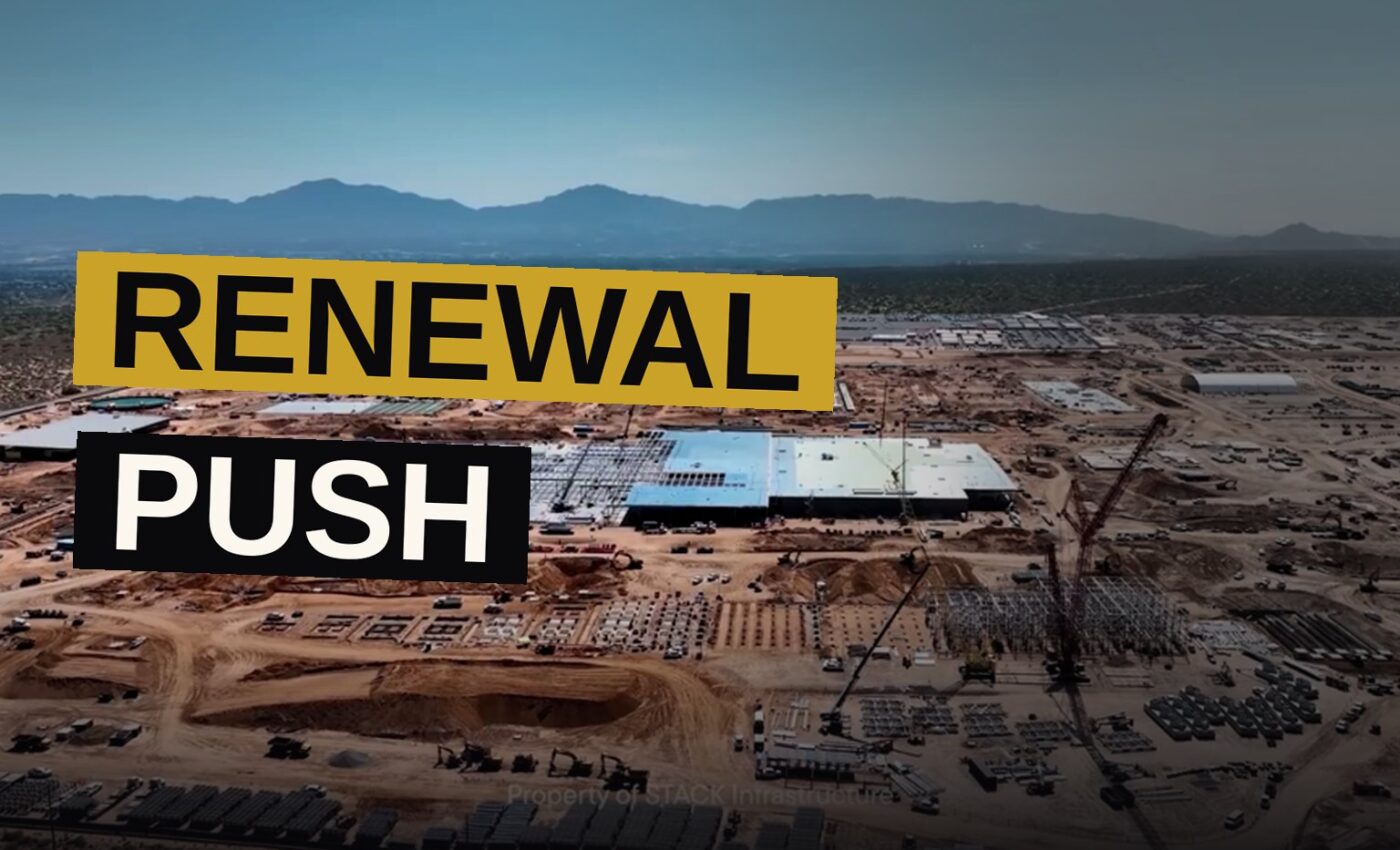
Oracle is pushing a renewable energy plan for New Mexico as a way to calm critics of the Project Jupiter data center it is building with OpenAI in Santa Teresa. The move comes as local protests and legal fights over the project’s environmental effects threaten to delay the work.
The two tech companies are building the $165 billion Project Jupiter as part of the broader Stargate AI infrastructure project announced by President Donald Trump in 2025. But the plan faces strong opposition from residents and environmental groups, who have rallied against it with protests and lawsuits. New Mexico’s Land Office has twice blocked requests to run a natural gas pipeline to the data center in Doña Ana County.
The renewable pledge and the gas trade-off
Oracle’s proposal on September 8 asks for bids on 2 gigawatts of renewable energy projects. The idea is to pair those projects with the data center, even though the renewable power would not directly run the facility itself.
Michael Thomas, CEO of the Cleanview data platform that tracks renewable energy and data center projects, wrote in a LinkedIn post that the pairing would be synthetic. “Like all matching programs, this would be synthetic in the sense that 2 GW of renewables wouldn’t directly power the data center,” he wrote.
Thomas pointed out that Oracle and OpenAI had originally planned to build 2.2 gigawatts of natural gas generation for the project. That would have produced about 14 million tons of CO2 emissions per year, according to his analysis. He wrote that this amount would effectively wipe out 20 years of carbon emissions reductions in the state of New Mexico.
Why the pivot to fuel cells matters
The opposition appears to have forced a shift in the companies’ approach. Instead of gas turbines, the plan now calls for fuel-cell technology, which produces electricity through an electrochemical process without combustion.
The change means the data center will still rely on natural gas — the fuel cells consume it — but the project’s emissions profile changes. Whether that change is enough to satisfy critics is unclear.
What happens next
The renewable proposal is a response to pressure, not a fix to the underlying objection. The data center will still burn natural gas, and the 2 gigawatts of renewable energy will not plug directly into it.
That distinction matters. Thomas’s framing — that the pairing is “synthetic” — captures the core problem: the renewables do not offset the data center’s emissions in any direct way.
Here is the shape of the current dispute:
- Oracle and OpenAI are building the $165 billion Project Jupiter data center in Santa Teresa, New Mexico.
- Local residents and environmental groups have protested and filed lawsuits against the project.
- New Mexico’s Land Office has blocked two requests to run a natural gas pipeline to the site.
- The companies pivoted from gas turbines to fuel-cell technology.
- Now Oracle is offering to invest in 2 gigawatts of renewable energy projects.
The renewable pledge buys Oracle some political cover. It shows the company is thinking about climate effects, even as the data center itself runs on fossil fuels. But the actual emissions from the project will not fall, and the people who oppose it know that.
This is a public relations move dressed up as policy. Oracle is telling New Mexico residents it cares about clean energy, even as it builds a massive data center that will still run on natural gas. The company is betting that the optics will hold — that the renewable pledge will blunt criticism enough to keep the project moving forward.
Whether that bet pays off depends on how seriously the state takes the environmental objections. The Land Office has already shown it will block pipeline requests, and the protests continue. The renewable pledge is a gesture, not a solution.
The opposition is not going away. The data center is not going away either. The question is whether the gap between what Oracle says and what Project Jupiter actually does can be addressed before the project gets built.
Get the Notebook.
The day's best stories and every fresh verdict, in plain English, in your inbox by seven. One email a day, no more.