
=== ARTICLE ===
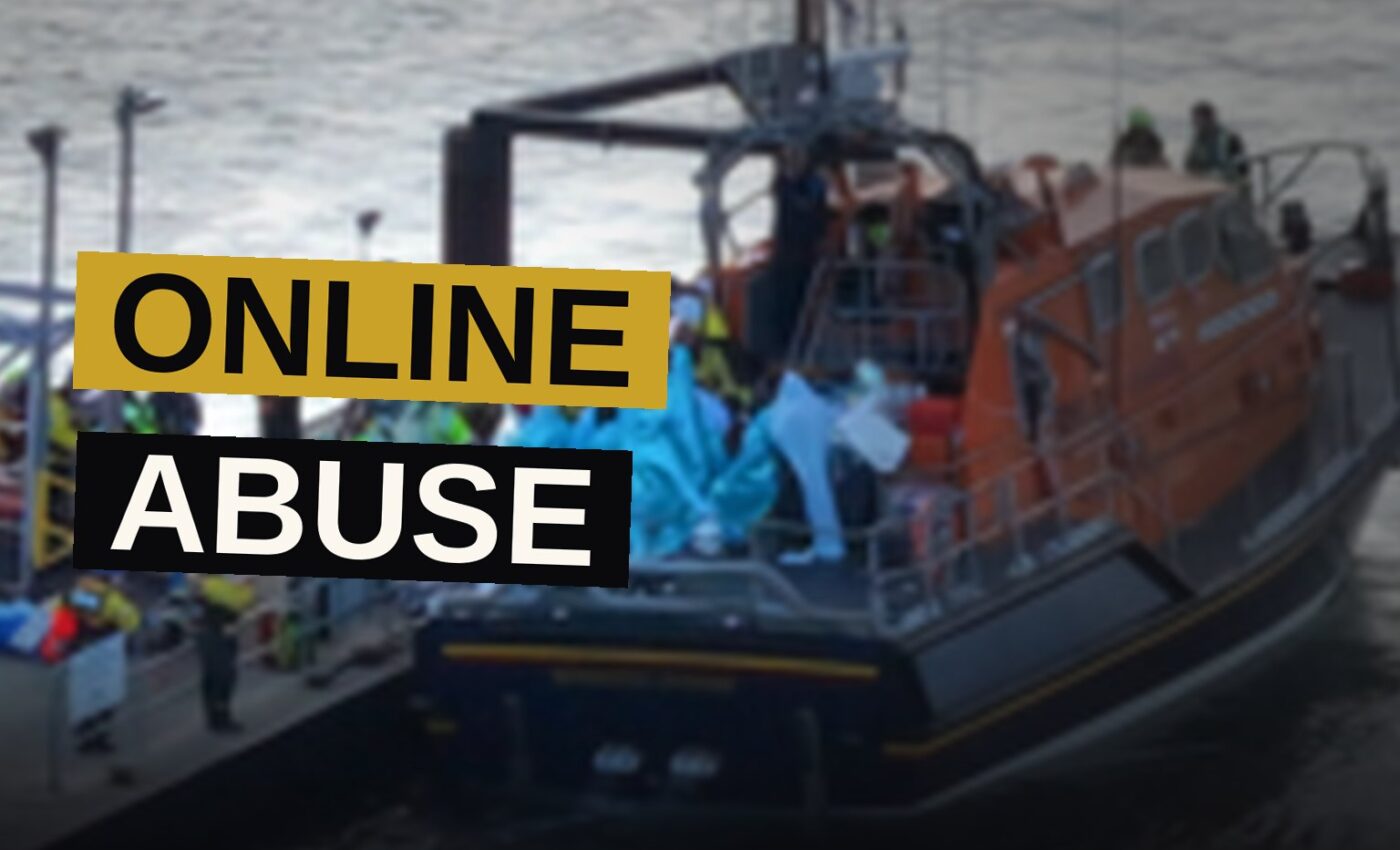
The RNLI says it is examining how it protects volunteers after crew members were singled out online in the wake of a rescue involving roughly 120 migrants close to the Isle of Wight. Names and photographs of those involved were circulated on social media, and some posts branded the volunteers as traitors.
RNLI chief executive Peter Sparkes described the abuse as “wholly unacceptable in a civilised society.” Volunteers have since been told that, depending on the situation, they might choose to leave off RNLI-branded clothing while representing the charity.
Protests at Portsmouth and Eastney
The review comes after demonstrations in Dover and Portsmouth. Streets were closed off by protesters near Eastney in Langstone Harbour, where the charity had brought ashore migrants who were stopped near the Isle of Wight.
Writing to volunteers, Sparkes explained that the RNLI had taken part in Sunday’s rescue at the request of HM Coastguard, noting, “This was the first time we have been involved in a Channel crossing incident of this magnitude this far west.”
Bembridge and Yarmouth crews responded first, and staff from four additional stations joined them once, in his words, “large numbers of protesters were in and near the water in Portsmouth.”
The RNLI also said that during the operation it worked to keep anti-migrant demonstrators who had entered the water off Portsmouth safe.
Volunteers told to put safety first
Crews have been reminded that they are “empowered to make decisions to keep yourself, your team or crew safe,” including the option to “go home or close for the day if you need to.”
Sparkes urged volunteers to take whatever steps help them feel secure while carrying out their duties, suggesting options such as “choosing not to wear RNLI branded clothing when representing our charity in public places” or “removing yourself from a conversation with a member of public if you feel uncomfortable.”
He additionally suggested that staff wear visible identification on site and challenge anyone without one, particularly if that person’s behaviour seems suspicious or they appear to be attempting unauthorised entry to RNLI buildings.
The fact that the charity is willing to let volunteers close shops — or entire lifeboat stations — if they feel unsafe underlines how seriously it is treating the threat.
Many lifeboat stations run attached shops, both as a source of income and as a way of raising the organisation’s public profile; as a charity, the RNLI depends on public donations to fund its operations.
“I’m not a traitor”
BBC Verify spoke to Neil, one of the volunteers labelled a “traitor” after his picture was posted online.
“We were there, purely for the safety of the protesters in the water,” he said. “It would be nice for those people who called me a traitor to know that I’m not a traitor.”
RNLI vice-president Sir Robin Knox-Johnston, speaking to BBC Newsnight, urged those abusing lifeboat crews to “have some sense about this.”
“The people who are abusing the volunteers – I wonder how abusive they’d be if they suddenly got a stitch when they’re out swimming?”
Sir Robin — famed as the first person to sail solo, non-stop around the globe — added that such critics “‘d be screaming for the RNLI to rescue them and the RNLI would do it.”
Sparkes told volunteers that “at times of increased media activity like this it is only natural that members of the public, supporters, family and friends may have questions about our lifesaving work in the Channel.”
He continued: “When our crews are tasked by HM Coastguard, we will go to the aid of those who need our assistance, including those crossing one of the world’s busiest shipping lanes in small, overcrowded and unseaworthy boats.”
“When called upon, we rescue people – men, women, and children – in distress,” he said, adding that responsibility for rescued individuals is then handed to the ambulance service, HM Coastguard, police or Border Force.
Police and Home Office respond
Sussex Police say they are trying to determine whether any crimes have taken place.
The Home Office said online platforms should apply their own rules and “take swift action against discriminatory content.”
A Home Office spokesperson told the BBC: “Directing abuse at people who risk their lives in the service of others is appalling.”
The spokesperson added that content shared “to intimidate, harass or incite violence against someone” could amount to a criminal offence, and said the department would work “with platforms and law enforcement to ensure appropriate action is taken.”
RNLI data indicates that only a small proportion of its lifeboat launches involve helping people “in distress in the Channel,” with Border Force intercepting most small boats.
The charity’s review of its security arrangements continues. It remains dependent on public donations, and its rescue work is carried out entirely by volunteers giving their time for free.
Source: bbc.co.uk
Get the Notebook.
The day's best stories and every fresh verdict, in plain English, in your inbox by seven. One email a day, no more.