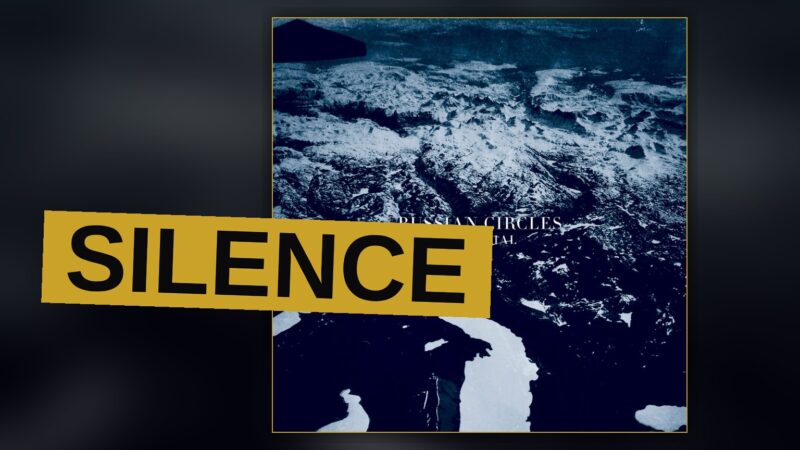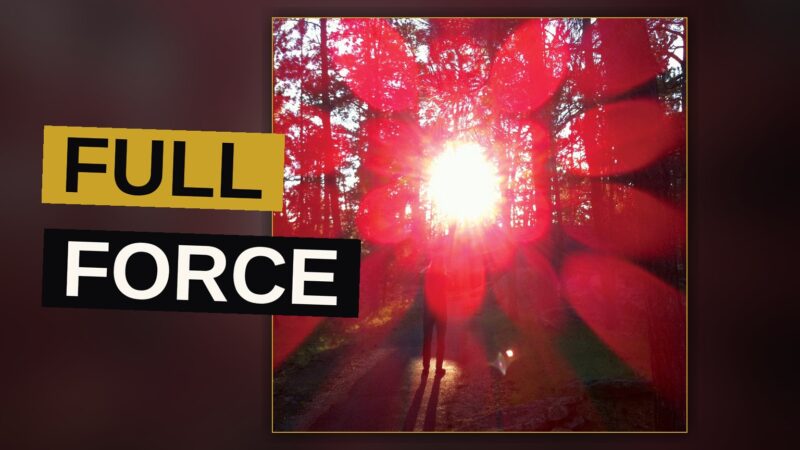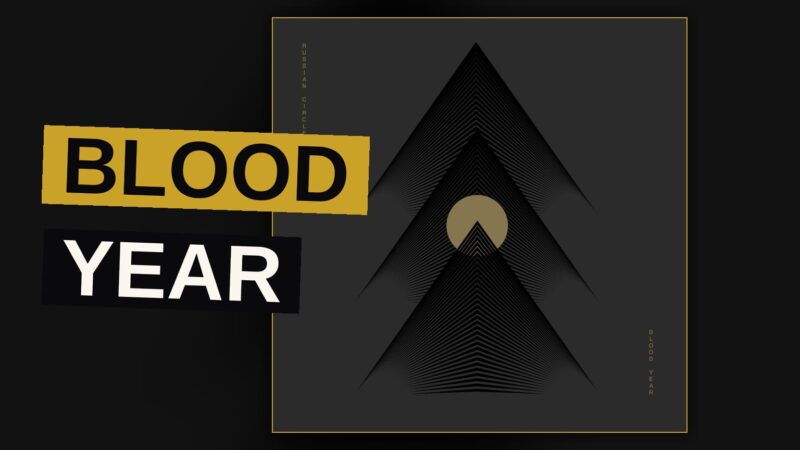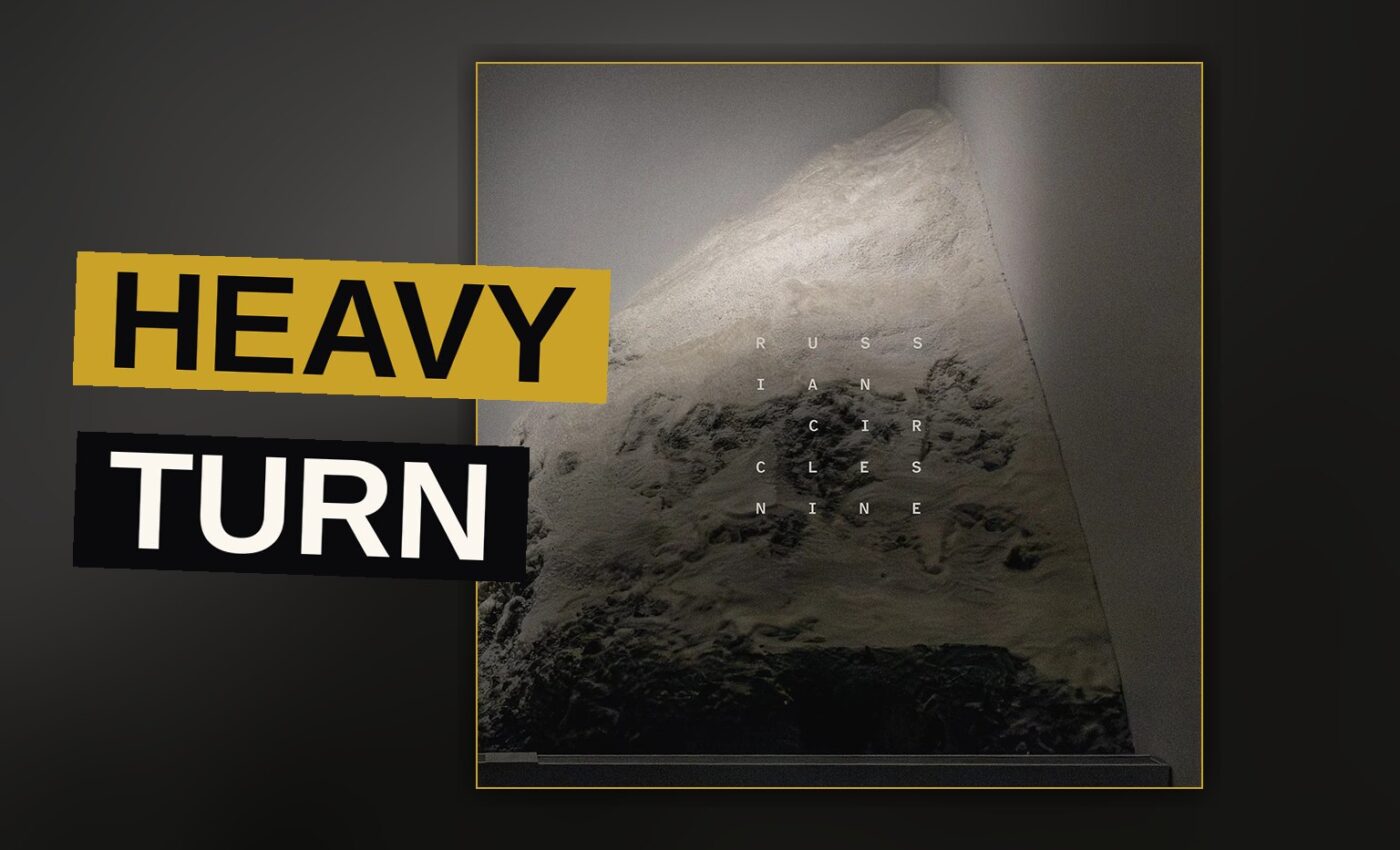
Russian Circles have built a career on slow, heavy post-metal, but Nine is the sound of a band deciding to move faster. The new album trades the band’s usual slow-building dread for a riff-driven approach that leans into death/thrash metal and hardcore punk. It is the heaviest thing they have made, and it wants to prove it.
The record runs seven tracks and 38 minutes, and it opens with a statement of intent: Borehole is a five-minute wall of noise that sets the tone early. It is not subtle, and it does not need to be.
Opening With Borehole
Borehole (5:48) starts the record with a relentless bassline that drives the whole song. It is a mission statement, and it works. The song builds from a crawling crawl to a full-throttle assault, and it shows the band’s willingness to push their sound into heavier territory without losing the rhythmic precision that defines their work.
Empath (4:58) follows and shifts the focus. It is a shorter, more controlled track that lets the guitar take the lead while the drums lock into a steady pulse. It is one of the tracks singled out by critics, and it earns that attention — the interplay between the instruments is sharp, and the melody stays with you.
Eluvial (8:23) is the longest track on the record, and it stretches out into a slower, more atmospheric piece. It is the closest thing to the band’s older sound here, with a patient build that rewards patience. It does not rush, and it does not need to.
The Middle Stretch
E2 (5:39) is a shorter, more aggressive track that picks the pace back up. It is less about atmosphere and more about force, with a riff that feels like it is pushing forward against its own weight. It is not the strongest track on the record, but it holds its ground next to the surrounding material.
Meridian (6:59) is the other standout singled out by critics, and it is easy to hear why. It is a track that moves between crushing heaviness and a cleaner, more melodic passage, showing off the band’s range. It is the moment where the record’s ambition pays off — the technical control is there, but so is the emotional weight.
Arletta (1:56) is the shortest track on the record, and it is also the most direct. It is a brief, intense burst of energy that serves as a palate cleanser before the final track. It does not overstay its welcome.
Closing With Seventh Seal
Seventh Seal (5:14) closes the record on a note of tension. It is a track that builds toward a climax without reaching one, leaving the listener feeling unresolved. It is a fitting end to an album that refuses to sit still.
The record’s heaviest moments come from its willingness to borrow from death/thrash metal and hardcore, but the band never loses sight of the post-metal foundation that got them here. The songs are tight, the playing is precise, and the record moves fast enough to feel urgent without losing its sense of place.
| Track | Length |
|---|---|
| Borehole | 5:48 |
| Empath | 4:58 |
| Eluvial | 8:23 |
| E2 | 5:39 |
| Meridian | 6:59 |
| Arletta | 1:56 |
| Seventh Seal | 5:14 |
The Verdict
Nine is a record about change, and it is a successful one. The band has not abandoned what made them popular, but they have pushed past it, and the result is a heavier, more urgent album that stands alongside their best work.
- Meridian — the clearest statement of the record’s ambition
- Empath — the most controlled track, showing off the band’s versatility
- Borehole — the boldest opening statement
- Seventh Seal — the most fitting closer
The weaker tracks are not failures — they are simply filler between the peaks. They do their job of holding the record together without demanding attention, and the record is stronger for having them.
The record is not perfect, but it is a strong one. The band has found a way to make their heaviest work feel essential, and they have done it without sacrificing the precision that defines their sound. That is a rare achievement, and it is worth celebrating.
6.7 of 10.
- Borehole5:48
- Empath4:58
- Eluvial8:23
- E25:39
- Meridian6:59
- Arletta1:56
- Seventh Seal5:14