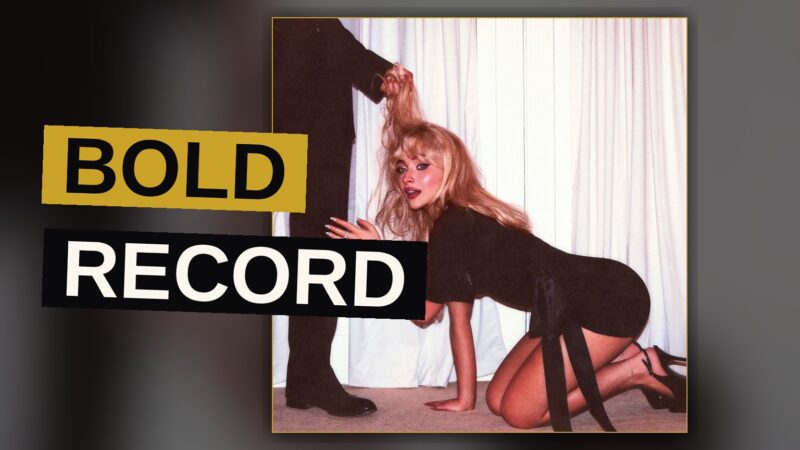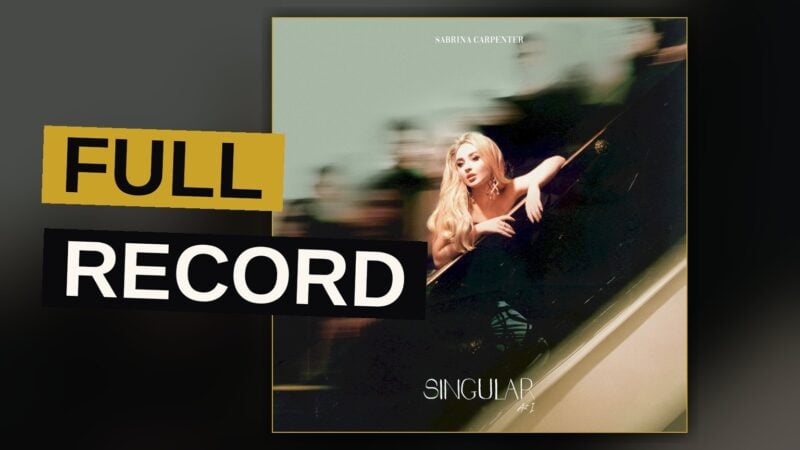
Sabrina Carpenter built her career on Disney Channel and teen pop, but EVOLution is a different animal. This is a full-length album, ten tracks and 33 minutes, and it wants to sound bigger than the bubblegum she made famous. It leans on electronic production, atmospheric textures and a sense of teenage unease that cuts through the shiny surface. The record is a bid for maturity, and mostly it delivers.
The album arrived in 2016, a moment when pop stars were shedding the clean-cut image and reaching for darker tones. Carpenter’s debut studio record, EVOLution, fits that shift. It is not a pop album in the traditional sense. It is a pop album that borrows from synth-pop and indie rock, with lyrics about loneliness, fear and the mess of growing up. The songs are shorter and sharper than her earlier work, and the hooks land fast.
On Purpose Opens the Record
The opener, “On Purpose,” sets the tone immediately. It is a track about determination, about doing things with intention, and it has a driving rhythm that feels urgent rather than cheerful. The song builds from a simple piano line into a fuller arrangement, and Carpenter’s vocal delivery carries a sense of resolve that matches the title. It is the strongest statement on the record, and it announces what follows: this is a young artist who knows what she wants to say.
“Feels Like Loneliness” slows the pace down. It is a ballad about isolation, and the production leans on sparse instrumentation to let the emotion sit. The melody is gentle, almost fragile, and the lyrics speak directly to the feeling of being alone in a crowded room. It is a strong track, but it plays second fiddle to the opener. Together, the first two songs establish the range of the record: one track about action, one about stillness.
Thumbs Carries the Middle
“Thumbs” is the standout of the middle stretch. It is a track about social media and the pressure of online identity, and it has a chorus that sticks. The production is brighter than the earlier songs, with a bounce that feels almost danceable. It is the most accessible song on the album, and it is the one that critics singled out for a reason. The song’s energy comes from the contrast between the topic — the anxiety of living online — and the joyful delivery.
“No Words” follows and slows things down again. It is a track about communication, or the lack of it, and the lyrics circle around the idea of saying nothing. The song is built on repetition, and the melody is simple enough that it could be a lullaby. It works as a mood piece, but it does not offer much beyond the mood. It is pleasant, but it does not leave much of an impression.
“Run and Hide” picks the tempo back up. It is a track about fear, and the production mirrors that fear with a tense, uneasy sound. The song is about wanting to escape something, and the lyrics describe hiding and running away. It is a solid track, but it is not as memorable as the ones around it. It is a good example of the record’s strengths: it captures a feeling well, but it does not linger.
Mirage Closes the Front Half
“Mirage” closes the front half of the record. It is a track about illusion and reality, and the lyrics explore the idea of something that seems real but is not. The production is atmospheric, with layers of sound that build and recede. It is a strong track, and it shows off Carpenter’s range as a songwriter. The song is a quiet highlight, and it earns its place in the running order.
Don’t Want It Back and Shadows
“Don’t Want It Back” is a track about regret, and it is one of the more emotionally direct songs on the record. The lyrics deal with something lost, and the song’s title suggests a refusal to accept that loss. The production is straightforward, with a clear pop structure, and the melody is easy to remember. It is a solid track, but it is not one that demands much attention.
“Shadows” is a track about darkness, both literal and metaphorical. It is one of the shorter songs on the album, and it moves quickly. The lyrics talk about shadows, and the song’s tone is somber. It is a competent track, but it does not stand out in a way that makes it essential to the record. It is a decent entry in the middle of the album, but it is not a highlight.
Space and the Final Track
“Space” is a track about distance, both physical and emotional. It is one of the slower songs on the record, and it has a reflective quality. The lyrics deal with the idea of space between people, and the song’s title is literal and metaphorical at once. It is a good track, and it shows Carpenter’s ability to write about relationships without falling into cliché. It is a solid entry, but it is not a standout.
“All We Have Is Love” closes the record. It is a track about connection, and it ends the album on a note of warmth after the darker themes of the preceding songs. The song’s title is optimistic, and the lyrics suggest that love is the one thing that lasts. It is a fitting closer, though it does not fully resolve the tension built up across the record. It ends the album on a note of hope, even as the album itself remains unresolved.
The Running Order
| # | Track | Length |
|---|---|---|
| 1 | On Purpose | 3:58 |
| 2 | Feels Like Loneliness | 3:20 |
| 3 | Thumbs | 3:36 |
| 4 | No Words | 3:32 |
| 5 | Run and Hide | 3:29 |
| 6 | Mirage | 3:25 |
| 7 | Don’t Want It Back | 3:01 |
| 8 | Shadows | 2:52 |
| 9 | Space | 3:06 |
| 10 | All We Have Is Love | 3:02 |
What Works and What Does Not
The album’s best moments are its most direct ones. “On Purpose” and “Thumbs” are the strongest tracks, and they justify the record’s existence. “Feels Like Loneliness” and “Mirage” are solid mood pieces that add texture. The weaker tracks — “No Words,” “Run and Hide,” “Don’t Want It Back,” “Shadows” and “Space” — are not bad, but they are forgettable. They fill out the record without adding much to it.
The production throughout is consistent, which is a credit to the record’s sound. It does not lean on big hooks or elaborate arrangements, but it does not need to. The songs are short, and the album moves fast. That speed is a strength, not a weakness. It keeps the listener engaged from start to finish.
The record’s ambition is visible in the writing. Carpenter is not just singing about love and friendship; she is writing about technology, isolation and the pressures of youth. Those themes are not new, but they are handled with a degree of specificity that distinguishes the record from its peers. The songs are personal without being private, and that balance is difficult to achieve.
The Verdict
EVOLution is a confident step forward for Sabrina Carpenter. It is an album that takes risks without losing its pop instincts, and it rewards listeners who pay attention. The singles are strong, the middle tracks are competent, and the whole package holds together better than expected. It is not a perfect record, but it is a good one.
The album’s best tracks — “On Purpose,” “Thumbs,” “Mirage” — are as good as anything in her catalog, and they make the case for the record as a whole. The lesser tracks do not drag the album down; they simply do not elevate it. They are serviceable, and that is enough for a debut.
The record is a success on its own terms. It is a pop album that sounds like it was made by someone who has grown up, and it sounds like it was made by someone who knows what she wants to say. The songs are short, the hooks are sharp, and the emotions are real. It is a record that rewards repeated listens, and it is a record that stands up to comparison with her earlier work.
- On Purpose3:58
- Feels Like Loneliness3:20
- Thumbs3:36
- No Words3:32
- Run and Hide3:29
- Mirage3:25
- Don’t Want It Back3:01
- Shadows2:52
- Space3:06
- All We Have Is Love3:02