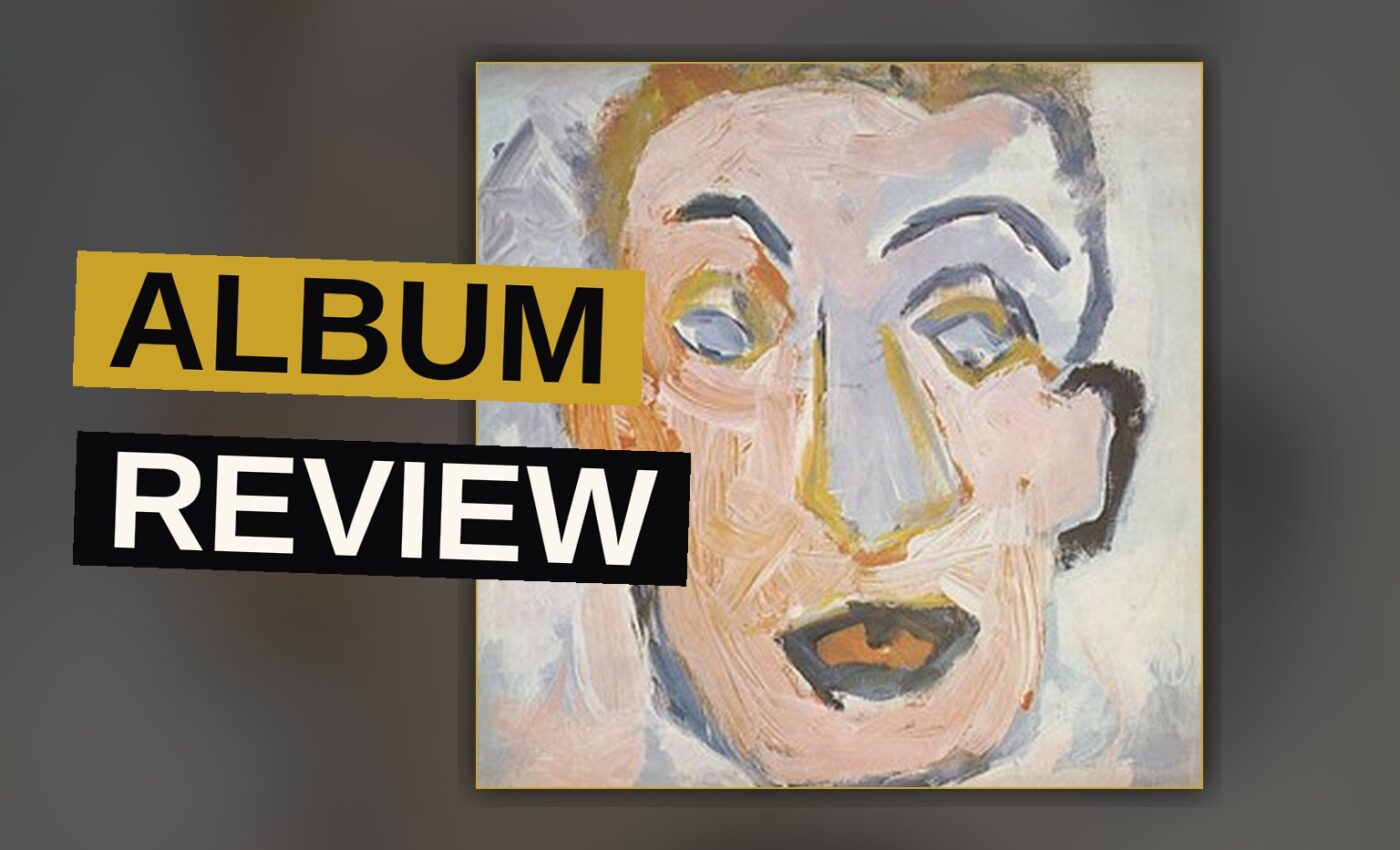
Bob Dylan released Self Portrait in 1970, and it is a double album that does almost nothing you would expect from him. It is 24 tracks and 73 minutes of covers, live recordings, and stray originals, with almost no new songs. It is the sound of the most important songwriter of his generation deciding not to write, or at least not to share what he wrote. The record was met with confusion and negative reviews at the time, and it has never fully shaken that reputation. This is a sprawling, messy collection that asks you to accept it on its own strange terms, and mostly fails to earn that patience.
Opening With Tired Horses
The record opens with “All the Tired Horses,” a track with no Dylan vocal at all. It is a gentle, orchestrated waltz with female backing vocals carrying the melody, and it sets the tone for what follows: a record that often feels like Dylan is absent from his own work. It is pleasant enough, but it is a strange way to begin a major artist’s album.
“Alberta #1” follows, a soft, almost sleepy delivery of a traditional folk song. It is not bad, but it is slight. “I Forgot More Than You’ll Ever Know” is a country weeper, and Dylan’s voice strains against the material. “Days of ’49” works better, with Dylan leaning into the narrative and the band providing a loose, rambling backing. It is one of the stronger tracks here, a genuine performance rather than a placeholder.
“Early Mornin’ Rain” is competent but unremarkable. “In Search of Little Sadie” is a raw, almost demo-quality take on a murder ballad, and it feels unfinished. “Let It Be Me” is a pop standard, and Dylan’s vocal is flat and disengaged. “Little Sadie” is a second version of the same murder ballad, and hearing it twice does not improve it. “Woogie Boogie” is a brief instrumental that goes nowhere.
This opening stretch is the weakest part of the record.
The Live Middle
“Belle Isle” is another mid-tempo folk performance that does not grab the listener. “Living the Blues” is one of the few originals here, and it feels like a jam rather than a finished song. Then comes “Like a Rolling Stone,” performed live. This is the song that defined Dylan’s career, and the live version is ragged and fast, with the band rushing through it. It does not match the power of the original.
“Copper Kettle” is one of the strongest covers on the record. Dylan’s vocal is warm and committed, and the arrangement is simple and effective. “Gotta Travel On” is fine, though it does not add much. “Blue Moon” is a pop standard, and Dylan sings it with a croon that feels like a parody of a lounge singer. It is one of the most baffling moments on the record.
“The Boxer” is a cover that makes you think about the original rather than enjoy the version in front of you. “The Mighty Quinn (Quinn the Eskimo)” is a live performance of one of Dylan’s own songs, and it is a fun, upbeat take that shows the band having a good time. “Take Me as I Am (or Let Me Go)” is a country song, and Dylan’s vocal is strained. “Take a Message to Mary” is forgettable.
Weird Originals and a Second Alberta
“It Hurts Me Too” is one of the more energetic performances on the record, with Dylan giving the vocal some grit. “Minstrel Boy” is a live performance that works better than some of the studio cuts. “She Belongs to Me” is another live version of a Dylan original, and it is competent but not essential. “Wigwam” is an instrumental with wordless vocals, and it is one of the strangest tracks here, a meandering piece that feels like an outtake that should have stayed in the vault. “Alberta #2” closes the record with a second version of the opening folk song, and it is nearly identical to the first.
The record has a few high points. “Days of ’49,” “Copper Kettle,” and “Minstrel Boy” all show Dylan engaged with the material. The live tracks have a looseness that is appealing in small doses. But the overall impression is of a record that lacks direction. There is no through-line, no argument being made, no reason for these particular songs to sit together. It is a collection of leftovers, and it plays that way.
What the Title Promises
It is worth asking what Self Portrait was supposed to be. The title suggests an introspective collection, a look inward at the artist’s influences and tastes. In that sense, the covers make a kind of sense: Dylan is showing us the songs that shaped him. But the execution does not match the concept. The performances are often half-hearted, and the sequencing is chaotic. A curated portrait of influences would have been a different record. This is just a pile of tracks with no clear organizing principle.
The live recordings complicate things further. They are not announced as live, and they sit alongside studio takes without any distinction. A listener encountering “Like a Rolling Stone” or “She Belongs to Me” in this context has no way to know why these versions exist. The record does not explain itself, and it does not reward the effort of figuring it out.
The Critical Response
The negative reception was immediate and loud. Rolling Stone ran a famous review that asked, “What is this shit?” That line has stuck to the record ever since, and it is not hard to see why. AllMusic later called it “a deliberately sprawling affair that runs the gamut from self-portrait to self-parody,” and Entertainment Weekly called it “pretty silly, overall.”
Those assessments have softened over time, and some critics have argued that the record is more interesting than its reputation suggests. It is certainly unusual, and it has a strange charm in places. But interesting and good are different things.
The record did not end Dylan’s career, and he followed it with stronger work. But Self Portrait remains a cautionary tale, a reminder that even the greatest artists can release something that simply does not work. It is not an unlistenable record, and there are moments of genuine merit. But as a whole, it is a failure of curation and focus.
Comparing the Highs and Lows
| Track | Type | Verdict |
|---|---|---|
| “Days of ’49” | Cover | One of the best, committed vocal |
| “Copper Kettle” | Cover | Strong, warm performance |
| “Minstrel Boy” | Live original | Fun and loose |
| “Blue Moon” | Cover | Baffling and flat |
| “Wigwam” | Original instrumental | Meandering and pointless |
| “Alberta #1” | Cover | Slight and forgettable |
The gap between the best and worst tracks here is enormous. The good ones show what Dylan could do when he cared. The bad ones show what happens when he did not. The record is mostly the latter.
The Verdict on Self Portrait
Self Portrait is a record that asks for patience and offers little in return. It is the work of an artist who seems to be hiding, burying his own voice under covers and live takes and instrumentals. There are moments of real quality, but they are scattered across a record that is too long, too unfocused, and too often dull. The title is a joke, in a way: this is the least revealing portrait Dylan ever made.
The record earns a low score. It is not the worst thing ever released, but it is a major artist at his most lost. The covers are mostly forgettable, the originals are few and weak, and the live tracks do not justify their inclusion. The record has historical interest, and the reassessments are not entirely wrong to find something in it. But judged on its own terms, as a listening experience, it fails.
Get the Notebook.
The day's best stories and every fresh verdict, in plain English, in your inbox by seven. One email a day, no more.
- All the Tired Horses3:11
- Alberta #12:55
- I Forgot More Than You’ll Ever Know2:22
- Days of 495:42
- Early Mornin’ Rain3:31
- In Search of Little Sadie2:26
- Let It Be Me2:58
- Little Sadie1:58
- Woogie Boogie2:06
- Belle Isle2:28
- Living the Blues2:41
- Like a Rolling Stone (live)5:14
- Copper Kettle3:32
- Gotta Travel On3:04
- Blue Moon2:26
- The Boxer2:45
- The Mighty Quinn (Quinn the Eskimo) (live)2:54
- Take Me as I Am (or Let Me Go)2:59
- Take a Message to Mary2:44
- It Hurts Me Too3:16
- Minstrel Boy (live)3:29
- She Belongs to Me (live)2:42
- Wigwam3:08
- Alberta #23:20