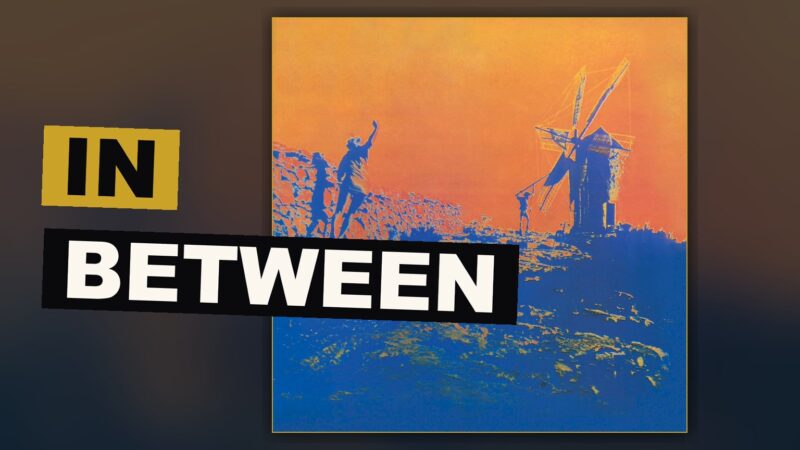
Solange Knowles made her debut album, Solo Star, in 2003, and she built it around a simple idea: she wanted to make a record about love, loss, and growing up without leaning on the sound her brother had defined. That meant no big hooks, no radio singles, and no easy answers. Instead she chose a quiet, introspective approach, layering piano ballads and soulful melodies over lyrics that trace the end of a relationship and the hard work of starting again.
The album runs 18 tracks and 68 minutes, and it moves through breakup, self-doubt, and new beginnings without ever losing its shape. It is not a pop record in the way her brother’s music became one. It is a private one, addressed to herself and to anyone else who has tried to move past a lover and failed. The record asks you to sit with discomfort rather than escape it, and that patience is what gives it its strength.
Feelin’ You, Part II Opens the Record
The album starts with “Feelin’ You, Part II,” a slow, aching opener that sets the tone immediately. It is not a song about joy; it is a song about holding on to a feeling even as it slips away. The piano carries the weight of the lyric, and the melody bends gently around the pain of the words.
“Ain’t No Way” follows, and it is the closest the record comes to a straightforward pop moment. The rhythm is steady, the vocal is warm, and the sentiment is simple: there is no way to make this work. It is a relief after the opener’s heaviness, a moment of clarity before the record turns back toward its darker themes.
“Dance With You” keeps the pace light, a mid-tempo track about moving forward even when the heart is still broken. “Get Together” slows things down again, a song about wanting a partner to share life with, even as the record itself has just spent two songs establishing that this particular partner is gone for good. “Crush” picks the pace back up, a track about the lingering pull of desire, and it is one of the more memorable moments on the album.
True Love Through So Be It
“True Love” is the record’s emotional peak, a song about the difference between what you want and what you can hold onto. The piano is heavier here, the vocal more exposed, and the lyric cuts straight to the wound. It is a powerful track, and it earns its place as one of the strongest on the album.
“So Be It” closes the first half of the record, a resigned acceptance that the relationship is over and that the next chapter begins without him. It is not a happy ending; it is a practical one. The song prepares the listener for the shift that comes next, when the record stops mourning and starts rebuilding.
Feel Good Song and Wonderland
“Feel Good Song” is a short, bright interlude, a reminder that happiness exists even when the record is not chasing it. It is a small break in the narrative, a moment of respite before the next set of songs takes the listener deeper into the aftermath of the breakup.
“Wonderland” is the strangest track on the album, a song about confusion and the feeling of being lost in your own mind. The lyrics are abstract, the melody is restless, and the whole thing feels like a dream that refuses to resolve. It is a bold choice for a debut, and it shows the ambition beneath the record’s surface.
“Feelin’ You, Part I” closes this stretch, a quieter, more intimate version of the song that opened the album. It is a mirror image, a chance to hear the same feeling from a different angle. The two versions bookend the record, framing the entire experience as a single, continuous thought.
Just Like You and Thinkin’ About You
“Just Like You” is a gentle, reflective track about seeing oneself in another person. It is a song about connection, not romance, and it lands as one of the more understated moments on the album. “Thinkin’ About You” returns to the theme of missing someone, this time with a more nostalgic edge. The memory of the relationship is warm, but the present is lonely, and the contrast between the two moods gives the song its power.
“Solo Star” is the title track, a statement of independence that is both defiant and sad. The title suggests strength, but the music underneath is tender and vulnerable. It is a song about standing alone, and it is one of the most honest tracks on the record.
“I Used To” is a song about habits and the difficulty of letting go. The lyrics describe routines that no longer serve a purpose, and the melody carries a sense of loss without ever descending into self-pity. It is a strong track, and it shows the record’s ability to find meaning in small details.
Sky Away, Naive and This Song’s for You
“Sky Away” is a soaring, hopeful track about distance and freedom. The title promises release, and the music delivers it. “Naive” is a more contemplative song, a track about trusting one’s instincts even when they are questioned. It is a song about staying true to oneself, and it feels like a personal declaration.
“This Song’s for You” is a dedication to someone specific, a love letter set to music. It is one of the more romantic tracks on the album, and it stands in contrast to the breakup narrative that surrounds it. It is a reminder that even in the midst of loss, there is still room for tenderness.
This Could Be Love Closes the Record
“This Could Be Love” is the final track, a hopeful closer that looks toward the future rather than dwelling on the past. It is a song about possibility, and it ends the album on a note of optimism. After 18 tracks of heartbreak, the record finds a way to suggest that the next relationship might work.
| Track | Length | Role |
|---|---|---|
| “Feelin’ You, Part II” | 4:09 | Opener |
| “Ain’t No Way” | 3:47 | Mid-tempo break |
| “Dance With You” | 3:06 | Light, forward-looking |
| “Get Together” | 4:18 | Desire for companionship |
| “Crush” | 4:36 | Lingering attraction |
| “True Love” | 3:51 | Emotional peak |
| “So Be It” | 4:11 | Acceptance |
The weaker tracks are not failures. They simply do not reach the heights of the best material on the album. “Wonderland,” “Just Like You,” and “Sky Away” are pleasant but unremarkable, filling space rather than demanding attention. They are competent, but they are also forgettable.
- “True Love” — the emotional peak of the record, the standout moment
- “This Could Be Love” — the optimistic closer that ends the album on a hopeful note
- “Feelin’ You, Part II” — the strong opener that sets the tone
- “Solo Star” — the title track, a statement of independence
- “I Used To” — a strong track about letting go of old habits
The Verdict
Solo Star is a debut that knows exactly what it wants to be. It is not a commercial statement; it is a personal one. The record is uneven, with some tracks that drift and others that land with real force, but the overall shape holds. It is a record about ending a relationship and starting over, and it does that work honestly, without sugar-coating the pain or rushing toward a resolution.
The best tracks — “True Love,” “This Could Be Love,” “Feelin’ You, Part II,” “Solo Star,” “I Used To” — are among the finest work of Solange’s early career. The lesser tracks are merely serviceable, but they do not drag the record down. Taken as a whole, Solo Star is a confident, well-crafted debut that shows a young artist willing to take risks and make mistakes in equal measure.
- Feelin’ You, Part II4:09
- Ain’t No Way3:47
- Dance With You3:06
- Get Together4:18
- Crush4:36
- True Love3:51
- So Be It4:11
- Feel Good Song3:31
- Wonderland4:06
- Feelin’ You, Part I3:25
- Just Like You3:39
- Thinkin’ About You4:07
- Solo Star3:17
- I Used To3:30
- Sky Away4:01
- Naive3:49
- This Song’s for You3:25
- This Could Be Love4:04