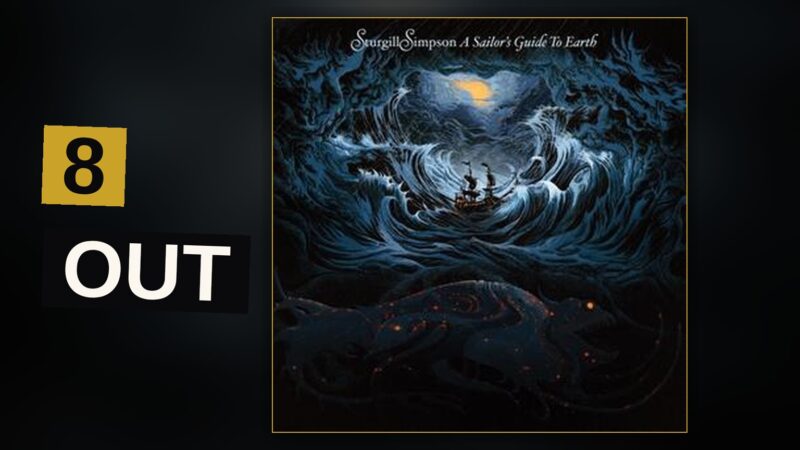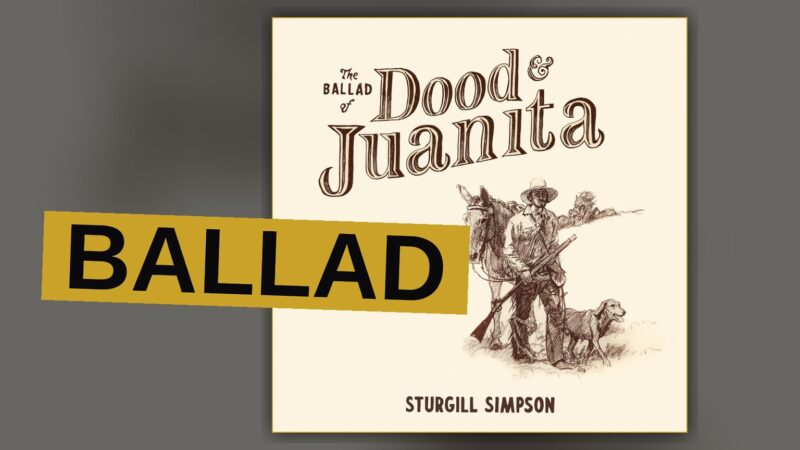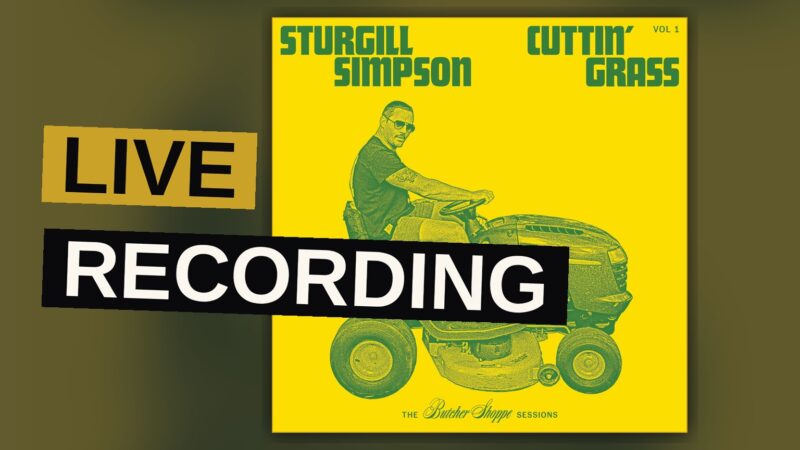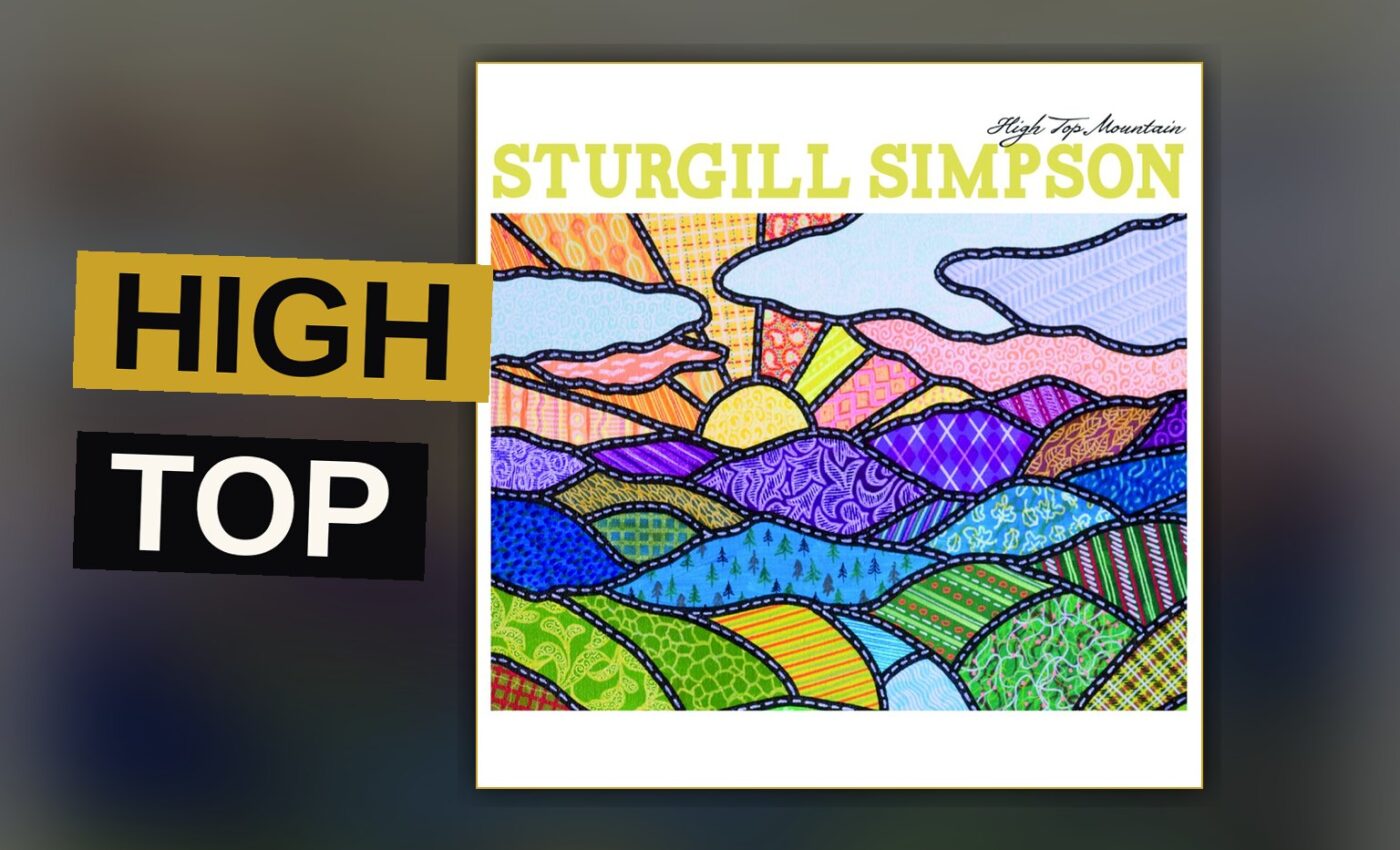
Sturgill Simpson’s High Top Mountain is a record about getting quiet. It follows his breakout hit “Alright,” and instead of chasing that noise, it pulls back. The album trades the screaming backline for a lean, traditional sound — banjos, fiddles, steel guitars — and lets the songs breathe. Simpson wrote these tracks in the wake of his father’s death, and the grief hangs over everything. This is not a party record. It is a record about loss, anger, and the slow work of sitting with both.
The critical response was immediate and positive. Reviewers praised the album’s return to classic honky-tonk, its strong songwriting, and its emotional range. One critic noted the shift in approach: “I’m sick of the clanging, can’t take no more banging. I’m tired of yelling over the top of that backline.” Another added that the subtlety and craft were more respected here, even as the fever behind Simpson’s eyes remained.
Opening With the Title Track
“Life Ain’t Fair and the World Is Mean” opens the record with a statement of intent. It is a bitter, funny title, and the song backs it up with sharp wit and a wry delivery. It sets the tone: this is a man who knows the rules and refuses to play by them.
The Middle Stretch
“Railroad of Sin” follows, and it is the album’s best moment. The song tells the story of a man who rides the rails, working hard and falling hard, and the narrator watches him fall again and again. It is a character study with a moral edge, and Simpson sings it with a weariness that lands.
“Water in a Well” slows things down. It is a simple metaphor about depth and silence, and the song asks you to listen to what is beneath the surface. It is not a standout, but it holds the album together.
“Sitting Here Without You” is a duet about loneliness, and it works because Simpson plays it straight. There is no irony here, just two voices trading lines about missing someone.
“The Storm” is a weather metaphor for grief. It is heavy and slow, and the chorus builds to a roar before settling back down. It is one of the darker tracks on the record, and it earns its weight.
“You Can Have the Crown” is the album’s other high point. It is a song about letting go of power, and Simpson delivers it with a resignation that feels earned. The production is sparse, and the lyrics land harder for it.
“Time After All” is a mid-tempo filler track. It is pleasant enough, but it does not leave much of an impression.
“Hero” is a song about being the one who gets the job done, and it is competent without being memorable. The chorus is catchy, but the song does not go anywhere new.
“Some Days” is a narrative about a man who is down on his luck, and it is one of the weaker tracks. The story is thin, and the song does not find a hook to hold onto.
“Old King Coal” is a social commentary dressed as a folk tale. It is the most political song on the record, and it is also the most uneven. The metaphor stretches thin in places, and the song loses focus near the end.
“Poor Rambler” picks the pace back up. It is a road song about a man who has nothing left to lose, and the performance is solid. It is not a great song, but it keeps the record moving.
“I’d Have to Be Crazy” closes the album with a question. It is a song about sanity and faith, and it ends on a note of uncertainty. It is a fitting end, though it does not resolve anything.
What Works
The three tracks that stand out are “Railroad of Sin,” “Life Ain’t Fair and the World Is Mean,” and “You Can Have the Crown.” They share a common thread: they are the songs that commit to a single idea and follow it through. “Railroad of Sin” tells a complete story in three minutes. “Life Ain’t Fair and the World Is Mean” packs its bitterness into a tight frame. “You Can Have the Crown” trusts its metaphor to do the work.
The album’s strength is its restraint. Simpson could have made a louder record, but he chose to let the songs speak for themselves. That decision pays off in the best moments and shows its limits in the weaker ones.
What Doesn’t Work
The middle of the record drags. “Time After All,” “Hero,” and “Some Days” are competent but forgettable. They fill space without adding much. “Old King Coal” tries to be a statement, but the concept overreaches. The album’s ambition occasionally exceeds its execution.
The weakest tracks are the ones that try to do too much. They want to be political, or narrative, or philosophical, and they get lost in the process. The songs that work best are the ones that stay focused.
The Verdict
High Top Mountain is a good record that occasionally reaches greatness. The best tracks — “Railroad of Sin,” “Life Ain’t Fair and the World Is Mean,” “You Can Have the Crown” — are among the strongest songs Simpson has ever written. The rest of the album is solid but unremarkable.
The album’s ambition is its weakness and its strength. Simpson is trying to make a record that respects tradition while pushing against it, and he mostly succeeds. The quieter approach suits him, and the songs benefit from the restraint.
| Element | Strength | Weakness |
|---|---|---|
| Best Tracks | “Railroad of Sin,” “Life Ain’t Fair and the World Is Mean,” “You Can Have the Crown” | None |
| Middle Tracks | Competent, professional | Forgettable, filler |
| Ambition | Respectful of tradition | Overreach in “Old King Coal” |
| Tone | Honest, restrained | Occasionally too quiet |
This is a record that rewards attention. The songs that work demand it, and the songs that don’t deserve it. It is a mature work from an artist who has found his voice.
High Top Mountain is a solid addition to Simpson’s catalog. It is not his best record, but it is a strong one. The highs are high, and the lows are brief. It is a record about getting quiet, and it succeeds at that.
- Life Ain't Fair and the World Is Mean2:06
- Railroad of Sin2:05
- Water in a Well3:19
- Sitting Here Without You2:11
- The Storm4:02
- You Can Have the Crown2:50
- Time After All2:38
- Hero4:02
- Some Days3:31
- Old King Coal3:08
- Poor Rambler3:46
- I'd Have to Be Crazy4:03