
Stanford Team Builds a Mouse With a Human Brain Cortex in Its Skull
A Stanford team has implanted human brain cells into a mouse's cortex, creating an animal that remembers mazes better than a control mouse missing brain tissue.

A Stanford team has implanted human brain cells into a mouse's cortex, creating an animal that remembers mazes better than a control mouse missing brain tissue.

Scientists recreated videos of what sleeping mice saw by reading their brain activity, a step toward understanding how vision shapes perception.

A video on climate change's mental toll promises impulsivity research but delivers only wildfire smoke and food security.

Two Weill Cornell studies reveal metabotropic glutamate receptors' complex interactions, shedding light on past brain disorder drug failures.
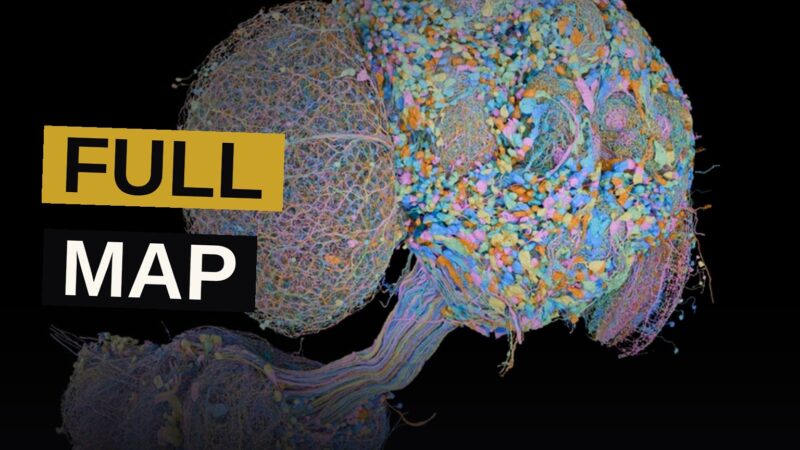
A second full map of every nerve cell in a fruit fly brain has been completed, a work of vast and patient toil for science.
As an Amazon Associate, Clay Tribune earns from qualifying purchases.