
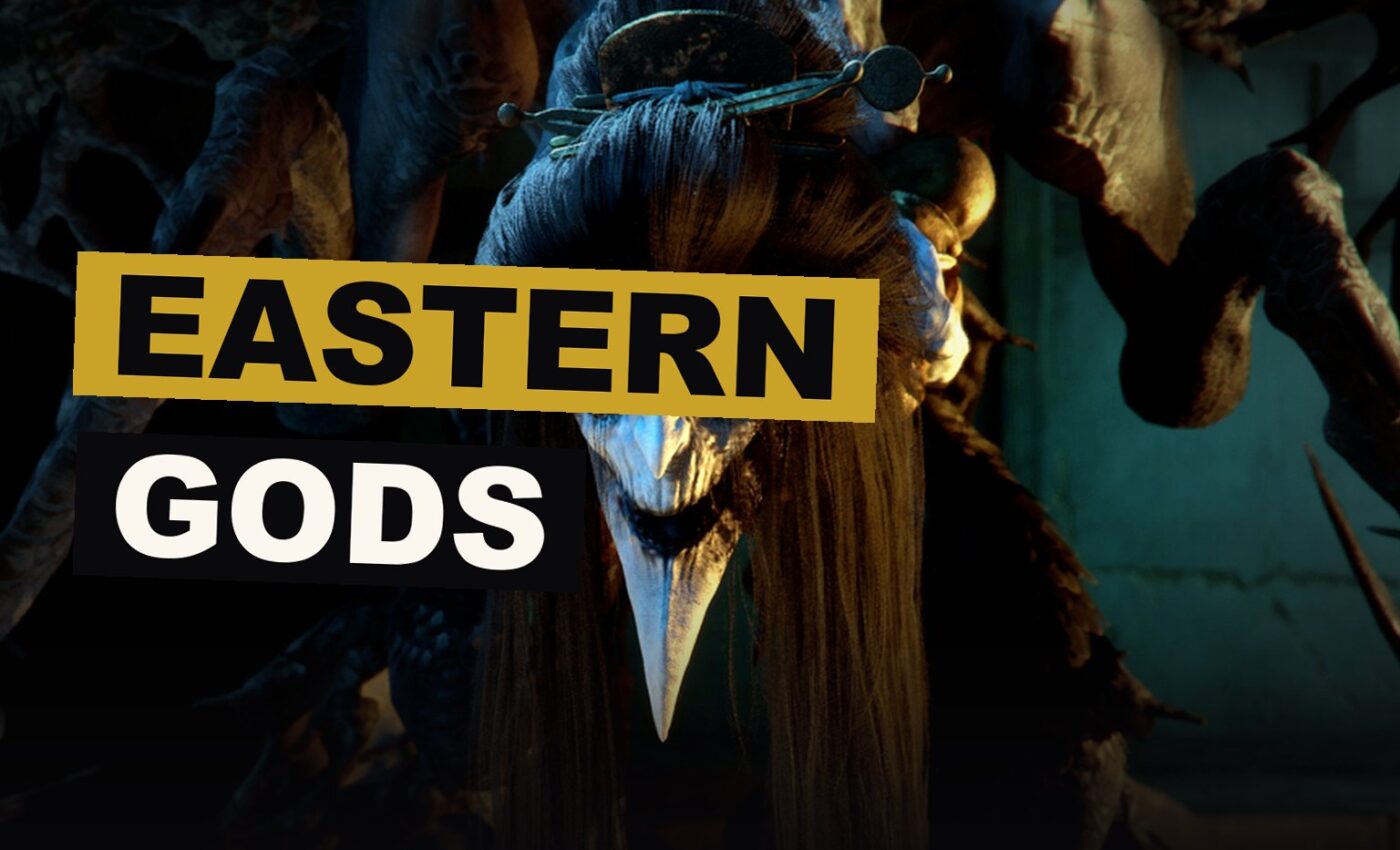
Tarae: The Unbound was one of the standout games at a major games trade show. Made by South Korean studio Boundary and published by Krafton, the company that also makes PUBG, the action RPG plays a lot like Diablo. But its makers say the setting and folklore behind it will set it apart from other games in the genre.
A Different Setting
Tarae: The Unbound is set in East Asia between the 15th and 17th centuries. Most action RPGs, including Diablo, are set in medieval Europe. Boundary draws on Eastern aesthetics and folklore for a different take, visible in the class design, the monsters, and the settings.
The boss fights show this most clearly. There are more than 80 of them at launch, drawing on Chinese, South Korean, and Japanese influences.
How It Plays
For those who like Diablo, the controls will feel familiar. Number keys handle abilities, the space bar lets a character step aside quickly, and pressing a pointing device clears out enemies through fighting described as heavy. The camera can be drawn back for a wider view of the battlefield, showing waves of enemies approach from a distance.
There’s a steady stream of loot, a selection of skills to choose from, and build crafting familiar to the genre.
The game features six classes, each drawn from an Eastern source:
- Samurai, a damage dealer who fights up close
- Tiger Hunter, who uses guns and animals called to fight at their side
- Manshin, a Korean spirit guide who channels spiritual energy
- Geomancer, who deals damage across groups of enemies
- Kunoichi
- Warfiend, a fighter
The campaign runs across six acts, each split into three or four chapters. It follows a set path rather than an open world, built around a story told in order.
Boundary CEO Inyoung Koo, art director Byung Ho Park, and Myung Sang Ryu spoke about the game following a session where it was tried directly. Boundary said the ways of playing across classes differ a great deal, and added, “So if you choose a different class you will actually feel something very different.” Anyone who finishes the campaign with one character does not need to level up the others on their own — all six classes become open in the endgame.
The God System
Balance in the fighting comes largely from a god system built into the campaign. Eight gods, some friendly and some unfriendly, can help or stop progress as the campaign goes on, forcing changes in approach along the way. Boundary spoke of opposing forces running through the whole game, showing up in both the story and the fighting.
“East Asia is where we got the inspiration from,” Boundary said. The studio described drawing on Buddhist cosmology as its basis, built around six realms that souls pass through after death: a human realm, an Asura realm, a beast realm, a realm of starving ghosts, and a hell realm. In the endgame, characters cross between these realms to take on new battles.
Boundary and Krafton face a real challenge in getting western gamers to leave behind the action RPGs they already play, especially given how much time those games demand. Still, the developers said they have something worth trying. Boundary noted that most action RPGs are set in the medieval west, while Tarae is an Eastern dark fantasy title with its own charms, and argued that the balance in its fighting sets it apart from existing RPGs.
Boundary plans to keep supporting the game for years to come, adding new characters season by season and putting out a DLC each year that adds a new region. The studio said it plans to keep this going for a long time. Tarae: The Unbound is due out on PC and consoles in 2027.
Source: ign.com
Get the Notebook.
The day's best stories and every fresh verdict, in plain English, in your inbox by seven. One email a day, no more.