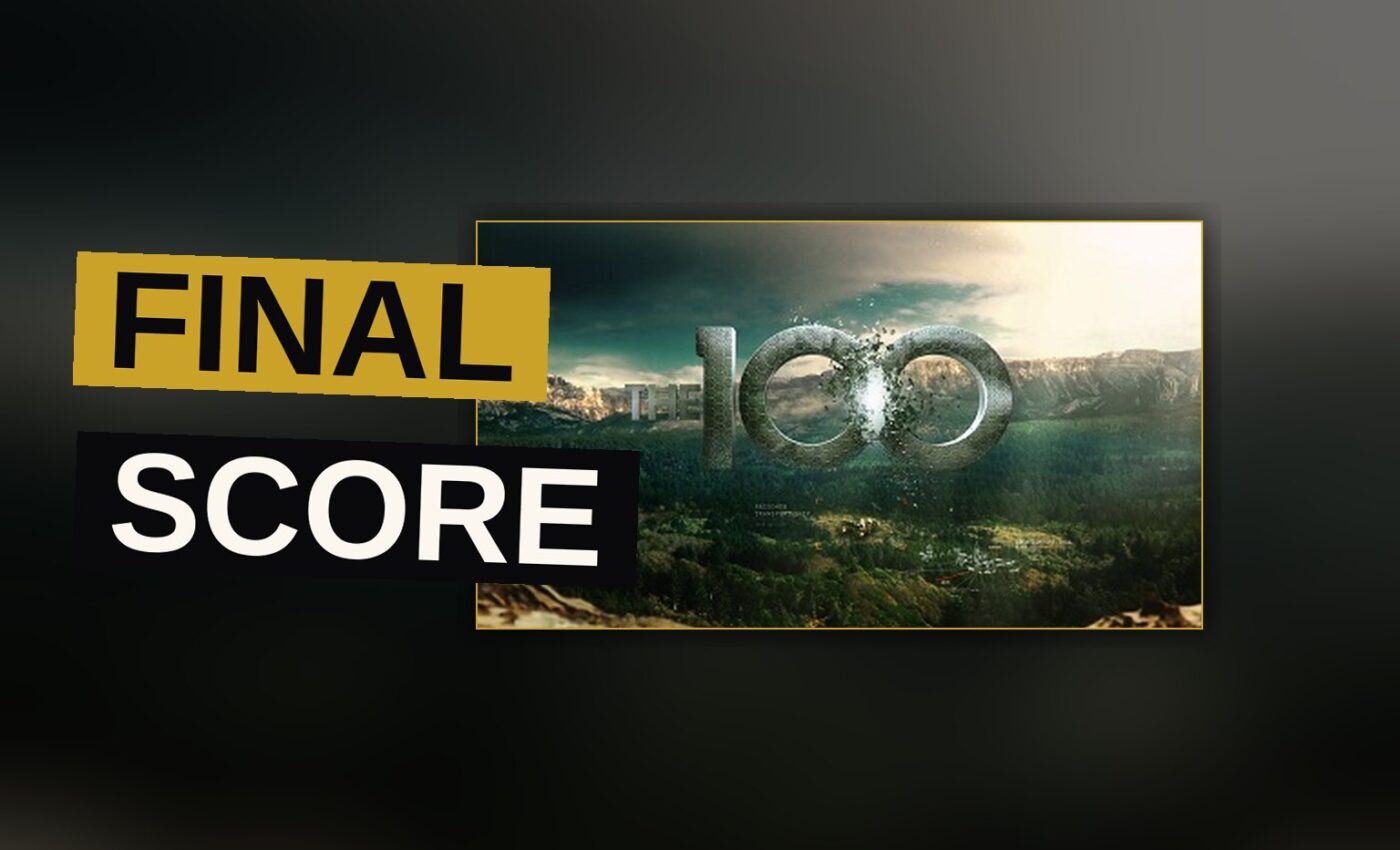
“The 100” premiered in 2014 as a teen-friendly science fiction show about humanity’s last survivors. It was also, in its early years, a surprisingly grim affair. The show followed a group of young people sent down to Earth after nuclear war destroyed civilization, and the premise carried real weight. The problem was that the show’s execution kept getting in the way of its own ideas.
Trailer, via Warner Bros. UK & Ireland.
What The 100 Gets Right
The first season did something rare for its target audience: it treated death as permanent. Characters died, and the show did not bring them back just because they were popular. That commitment gave the show a sharper edge than most network sci-fi. The world-building was also strong. The ground-level politics of the various groups on Earth felt lived-in, with factions like the Mountain Men, the Grounders, and the Sky People each having their own rules and fears.
The cast chemistry helped too. Eliza Taylor played Clarke Griffin with a cold determination that made her feel like a leader, not a teenage heroine. Bellamy Blake, played by Bob Morley, brought a simmering anger that pushed the show toward its darker moments. The relationship between the two carried much of the drama in the early seasons.
Where The 100 Stumbles
The show’s central flaw became obvious around season three. The writers began leaning on flashbacks, dream sequences, and other narrative tricks to explain what had happened off-screen. This broke the illusion of the present-day story. Viewers were pulled out of the action to see scenes that did little to move the plot forward.
The pacing also suffered. The show ran for six seasons, and the middle stretch grew repetitive. Episodes often followed the same structure:
- A mission
- A fight
- A betrayal
- A cliffhanger
That formula worked in the early days, but it wore thin over time. By the final seasons, the show was rushing through its own mythology to get to the next big twist.
The show also struggled with its villains. The original antagonist, Marcus Kane, was a compelling threat in the first season. Later additions like President Marcus Kane and the show’s final Big Bad came across as cartoonish. They lacked the menace of the earlier villains, and their schemes often felt arbitrary rather than strategic.
The Show’s Final Years
The show’s later seasons tried to tie everything together. The finale attempted to resolve the show’s central questions about leadership, sacrifice, and what it means to survive. It largely succeeded on a structural level, even if some viewers found the emotional beats forced.
Some of the best episodes came late in the run, when the show finally stopped leaning on its flashbacks and focused on the characters in the room. The final season’s exploration of Clarke’s leadership style, and how she changed from a cold survivor to a warmer, more human figure, gave the show some of its most mature storytelling.
The show also benefited from a strong supporting cast. Lindsey Morgan played Raven with warmth and intelligence, while Marie Avgeropoulos brought a sharp wit to Octavia Blake. These performances kept the show grounded even when the plot went off the rails.
The Verdict
“The 100” is a show that started with a strong idea and a willing audience, then spent its middle years trying to explain itself too much. The early seasons remain worth watching for their cold, honest take on survival. The later seasons, with their convoluted plots and cartoonish villains, are less essential viewing.
The show’s best moments come from its characters, not its twists. Clarke’s arc, from cold survivor to leader, is the real story here. The rest is padding.
“The 100” ends with a finale that attempts to answer the questions it raised. It lands somewhere between a satisfying conclusion and a rushed one. The show deserves credit for sticking with its premise longer than most of its peers, but it also deserves blame for letting its middle stretch drag on without purpose.
The show’s final score is 6.3 out of 10.