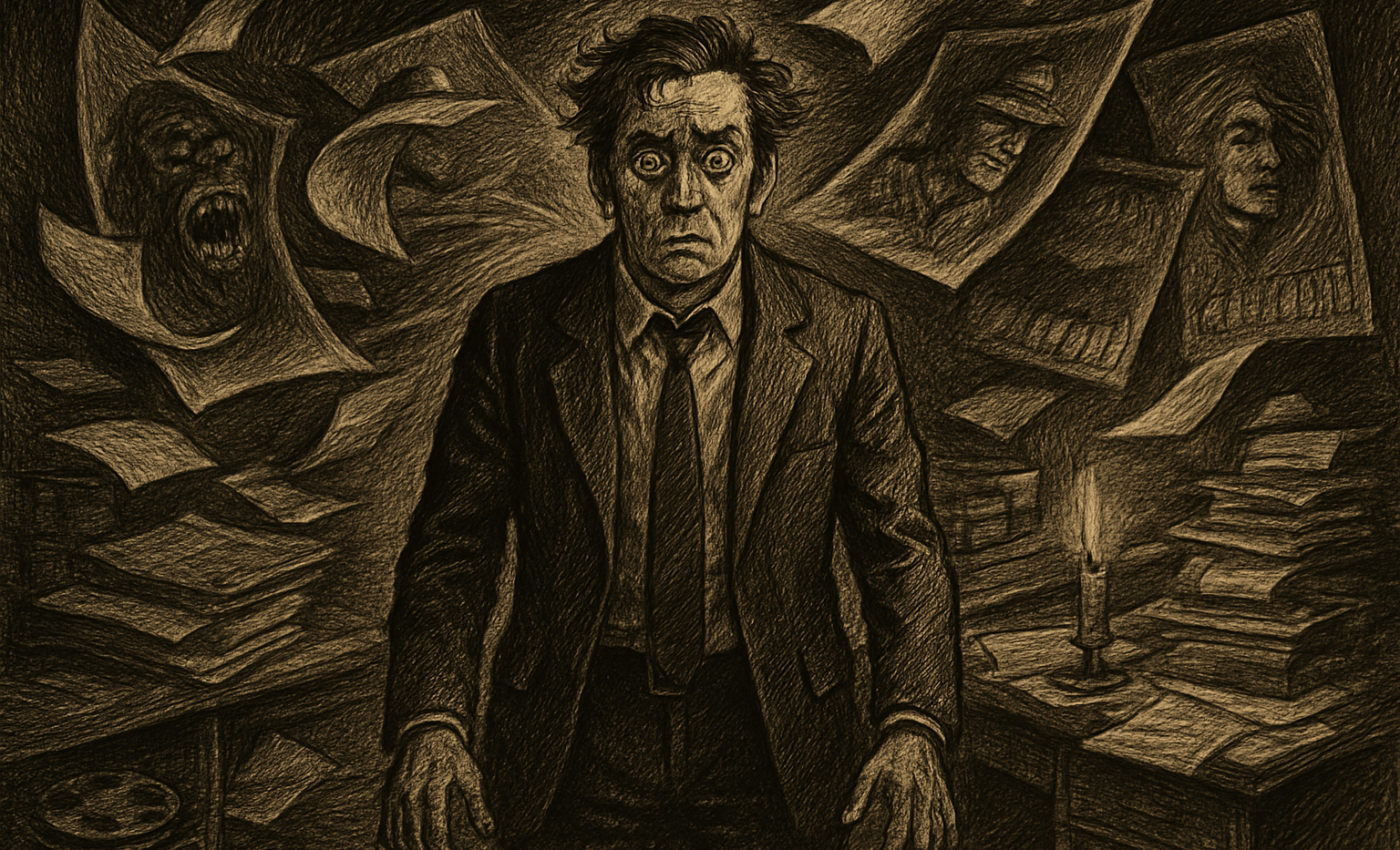
Hollywood has spent years making shows about how terrible Hollywood is. Most of them are terrible. The Studio is the exception, a comedy so sharp and so specific that it cuts through the cynicism and lands somewhere close to love for the whole rotten machine.
The series follows Matt Remick (Seth Rogen), a lifelong movie fan who has just been handed the top job at a struggling fictional studio, Continental. His mandate is simple: make good movies. His problem is everything else. The streaming numbers, the franchise mandates, the fragile egos, the marketing department, and his own desperate need to be liked all conspire against his taste. The result is a workplace comedy that plays like a disaster movie.
Trailer, via Apple TV.
Rogen and Goldberg’s Sharpest Work
Rogen and Evan Goldberg have spent a decade building a brand of raunchy, heartfelt chaos. The Studio is their most disciplined effort. The jokes land with machine-gun precision, but the real weapon is the show’s structure. It is a workplace comedy, a satire, and a surprisingly tender character study all at once.
The cast is a murderer’s row of comedy talent. Catherine O’Hara plays the outgoing studio head with a perfect blend of menace and maternal warmth. Kathryn Hahn is the increasingly exasperated marketing chief. Ike Barinholtz and Chase Sui Wonders round out the executive team. But the show belongs to Rogen, who plays Matt as a man permanently on the verge of a panic attack, yet always believing the next meeting will save him.
The One-Take Episode
The show’s technical ambition is worth noting. One episode is built as a single continuous take, following Matt through the studio lot as a crisis unfolds. It is a gimmick, but it is a gimmick that works, trapping the viewer in Matt’s escalating anxiety.
The satire is pointed but not cruel. The Studio takes aim at the industry’s obsession with intellectual property, the absurdity of test screenings, and the hollow language of corporate synergy. It does not spare the filmmakers themselves, either. Ron Howard appears as himself, playing a version of the director who is both a genius and a complete buffoon.
A Running Order of Disasters
The show’s pacing is relentless, which makes its rare moments of quiet feel earned. Rather than a weekly rhythm, each episode builds its own arc of failure. Here is how a single installment tends to move:
| Beat | Typical Episode Shape |
|---|---|
| Opening | Matt sets a goal he cannot keep |
| Midpoint | A star or director pushes back |
| Turn | Marketing makes things worse |
| Climax | A preview or screening goes wrong |
| Coda | Matt salvages a sliver of hope |
Escalation, Beat by Beat
The show is built on escalation. Each episode presents a new, larger failure, though the exact sequence shifts from installment to installment. In general terms, Matt’s problems tend to stack in this order:
- A public relations gaffe.
- A leaked script.
- A director’s tantrum.
- A star’s exit.
- A disastrous preview.
- A boardroom conflict.
- A box office miss.
- A viral backlash.
- A legal threat that fades.
- The loss of his soul.
What It Is Really About
The show is not really about movies. It is about the gap between what we love and what we do to keep loving it. Matt wants to make art, but he is paid to make product. The show’s best joke is that these two things are often the same, and the difference is only in how you sell it.
The Most Confident Comedy of the Year
It is the most confident comedy of the year. It is also the most anxious. That combination is rare and it is thrilling to watch. The Studio is a masterpiece of controlled chaos.
Get the Notebook.
The day's best stories and every fresh verdict, in plain English, in your inbox by seven. One email a day, no more.