
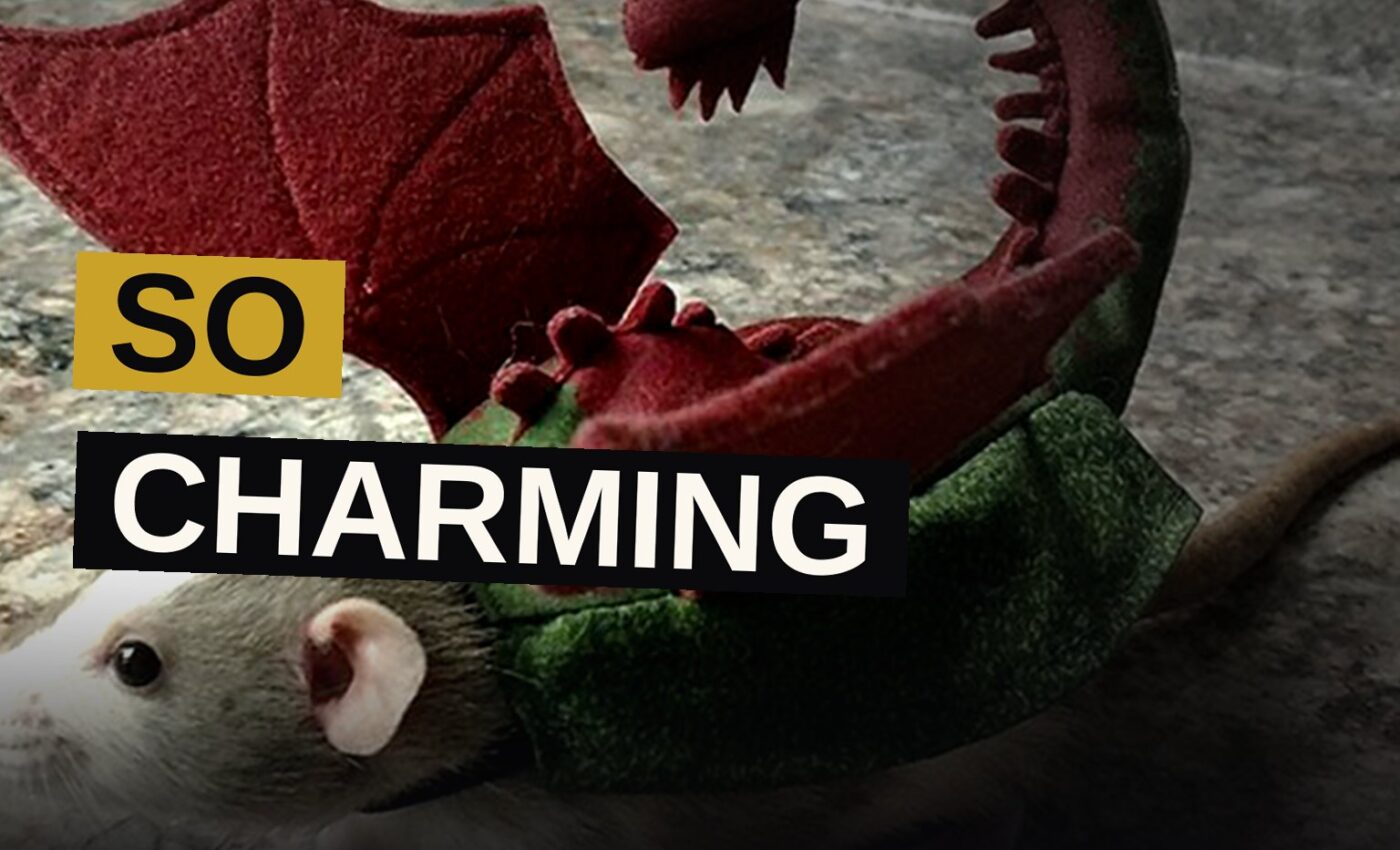
Rats have a public relations problem. For centuries, they have been cast as filthy, disease-carrying pests, the villain of countless stories and the subject of universal disgust. A Twitter account with around 52K followers is trying to change that, one charming photo at a time.
The account is called “The Rat Review,” and it posts memes and images meant to glorify rats. A curated list of its best pictures, published by Bored Panda, makes the case that these animals are not just tolerable but genuinely adorable. The list leans hard on the idea that global culture has been unfair to these “fluffy hairballs with nice bare tails.”
Rehabilitating the Rodent
The argument starts with a simple point: rats did not choose to carry lethal diseases. In the old days, they carried diseases, but the list notes they “didn’t do it on purpose.” That is not a defense most people are ready to hear, but it is the foundation of the account’s mission.
Rats, the list insists, are very cute and really smart animals. Mother rats are particularly caring, sometimes carrying their offspring on their backs, especially when the babies sleep sweetly. The claim pushes back against the idea that rats abandon their young almost as soon as they learn to eat and crawl on their own. That, the list says, is simply not true.
The intelligence angle is backed by science. Rats are not in vain used by researchers, the list notes. They are quick-witted and easy to train, and they become true friends for their owners.
Pixar’s Garbage Problem
Popular culture has not done rats many favors. The list struggles to recall old pieces of art where a rat was portrayed as a good guy. You just do not remember any, it says. The one major exception is the famous Pixar cartoon “Ratatouille.”
But even that film has a grim behind-the-scenes story. To truthfully display rotting vegetables and fruits on screen, Pixar studio employees collected a whole garbage heap. That heap, of course, attracted many live rats. After filming wrapped, the staff ruthlessly called in the deratisation service.
The irony is thick. A movie celebrating a rat’s talent ended with its crew exterminating real rats. The list uses this story to argue that the account’s mission is necessary. If even the people who made “Ratatouille” treated real rats as pests, the cultural bias runs deep.
The list’s verdict is blunt: “Definitely, this Twitter page with cute rat memes should have appeared even earlier.”
Splinter the Martial Artist
There is another famous rat in popular culture, and this one has a martial arts pedigree. Splinter, the teacher of the Teenage Mutant Ninja Turtles, is an outstanding martial artist and a connoisseur of Renaissance art. It was Splinter, the list reminds readers, who gave the turtles their world-famous names.
Splinter’s existence proves that a rat can be a hero, a mentor and a scholar. He is the rare case of a rat depicted with dignity and wisdom, a far cry from the sewer-dwelling menace of horror stories. The list treats him as a key piece of evidence in the campaign to rebrand the species.
The broader point is that rats deserve a second look.
The Tummy Scratch Factor
The list makes a practical case for rats as companions. They are trainable, affectionate and responsive to their owners. They enjoy physical affection, particularly belly scratches, and they form bonds that resemble those of more traditional pets.
The source is direct about what rats love most. “They especially love it when their fluffy tummies are scratched,” the list says, adding a parenthetical that rats are not alone in this preference — who in this world does not like to have one’s tummy scratched?
That simple detail captures the account’s whole approach. Instead of arguing with the disgust reflex head-on, it offers small, relatable moments of animal behavior. A rat enjoying a belly rub is hard to square with the image of a disease-carrying menace.
The list does not shy away from the negative reputation. It acknowledges that rats have been viewed with disgust for generations, but it argues that this view is outdated and unfair. The animals are not the monsters of folklore; they are smart, social and surprisingly sweet.
Bored Panda’s Viral Roundup
Bored Panda is the platform that brought this collection to a wider audience. The site regularly curates viral content, and this list fits its pattern of uplifting or amusing roundups. The article includes a call to action, urging readers to click and follow for more lists, facts and stories. It also notes that the post may include affiliate links, a standard disclosure for content-driven commerce.
The list itself is a straightforward compilation. It takes the best images from “The Rat Review” and presents them with commentary that reinforces the account’s mission. The tone is light and persuasive, designed to win over skeptics one photo at a time.
The prediction is that the follower count will rise after the publication. The list is confident that the charm offensive will work.
What the List Argues
The list makes several distinct claims about rats. In order of importance, they are:
- Rats are smart and quick-witted, which is why scientists use them in research.
- Rats are caring parents, carrying their babies on their backs when they sleep.
- Rats are trainable and affectionate, forming real friendships with their owners.
- Rats enjoy belly scratches just like most other animals.
- Rats have been unfairly portrayed as villains throughout cultural history.
These claims build on each other. The intelligence point establishes that rats are worth respecting. The parenting point softens the image of them as cold or indifferent. The companionship point makes them relatable as pets. The belly scratch detail adds charm. The cultural history point explains why the account exists in the first place.
Slow Change Through Cute Photos
The list does not pretend to offer a complete solution to the rat reputation problem. It presents evidence and lets the images do the work. The account’s mission is to glorify rats in the face of humanity, and the curated collection is a direct contribution to that goal.
The closing argument is simple: rats are charming, and the evidence is in the pictures. The list presents example after example of rats being caught in moments of sweetness, playfulness and intelligence. It is hard to look at a rat sleeping on its mother’s back and maintain a belief that the species is irredeemable.
For the undecided, the list offers a gentle nudge. Give rats a chance, it says. Look at the pictures. Consider the intelligence. Remember Splinter. The army of rat fans is growing, and it welcomes recruits.
The account’s current follower count stands at around 52K. The list predicts that number will grow after publication, bringing more recruits to the cause.
Source: boredpanda.com