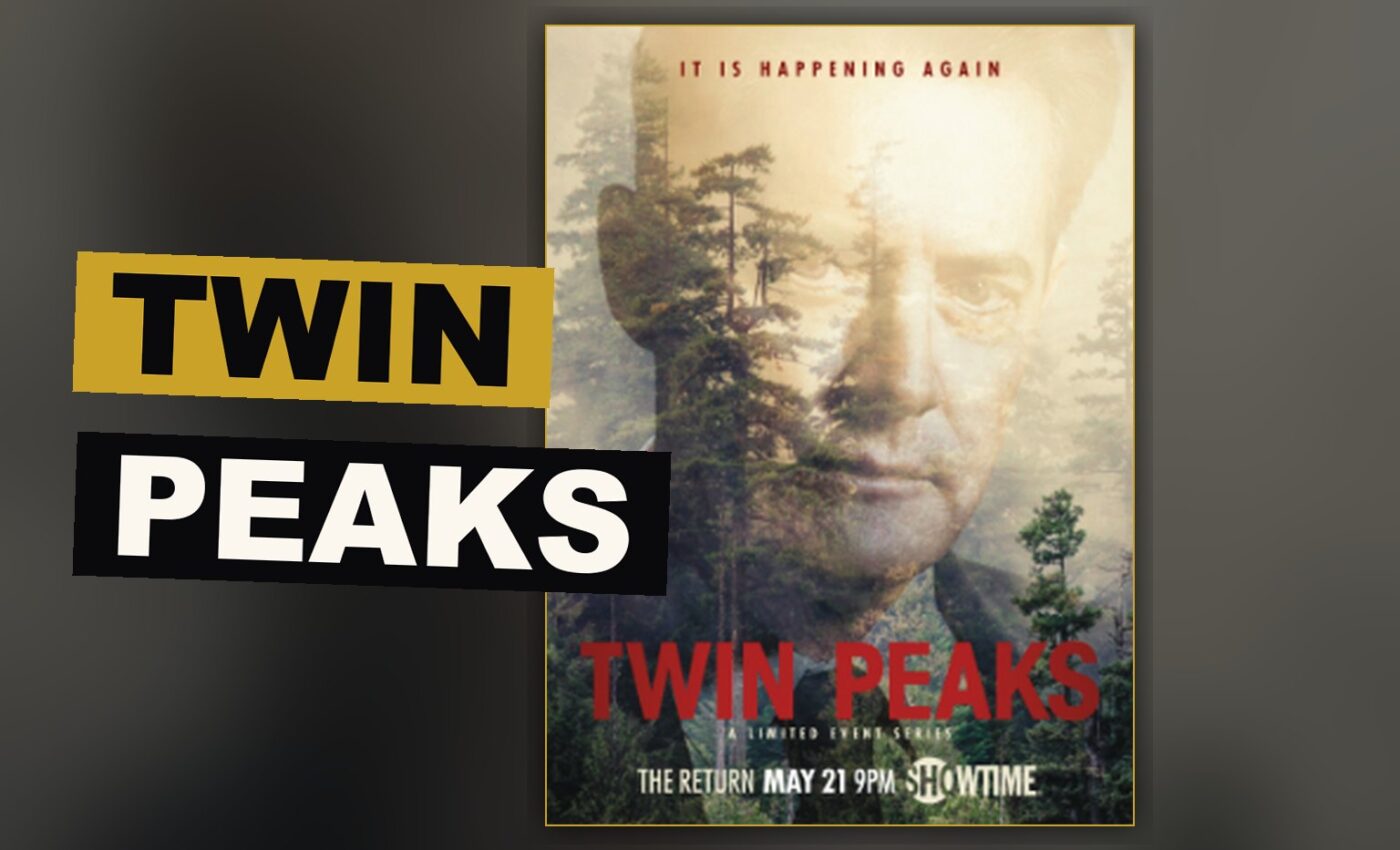
There exists a work of the television so strange in dread and beauty that no ordinary word suffices for it. Twin Peaks, born of David Lynch’s imagination, turns a quiet town into a theatre of horror both near and vast. To sit before it is to feel drawn into someone’s else dream, and to rise from it not knowing whether one has been amused or made afraid.
A Girl Found Beside the Water
Twin Peaks begins, as all such tales must, with the discovery of a young woman’s body beside the water, an image so severe it has since become a private scripture among lovers of the strange and the dark. Agent Cooper arrives to solve the puzzle, and in him Lynch fashions a hero part absurdity and part grace, a man who takes his coffee black as the night, and speaks to trees as though they held wisdom.
There is a woman in the town who holds a piece of wood as though it were a companion, and speaks through it as though it carried counsel from beyond ordinary sense. What ought to be foolish becomes, through some dark art of tone, deeply moving, a proof of how thoroughly Twin Peaks turns the absurd into the wonderful.
Speech Spoken in Reverse
No chamber in the story of moving pictures troubles the nerves so thoroughly as the Red Room, with its strange floor and its speech spoken in reverse, a place where time itself seems to spoil and turn upon itself. Here Lynch abandons ordinary sense entirely, offering instead a language of image and dread that reason cannot follow but the nerves feel at once.
It is here that Twin Peaks shows its deepest aim: not merely to solve a death, but to search the depth beneath ordinary town life, where every porch light conceals a matching darkness.
A Fiend Wearing a Human Face
A demon haunts Twin Peaks as few villains have haunted any work before or since — not a man in ordinary sense, but a sickness wearing human shape. The countenance of the actor who plays him, glimpsed at the foot of a bed or behind a chair, remains among the most dreadful sights ever set upon film. That evil in Twin Peaks refuses to explain itself, refuses the comfort of cause, is precisely what makes it so hard to bear.
The second course of episodes loses its way, it must be admitted. Once the name of the killer is spoken aloud, the machine loses some part of its dreadful drive, and the studio’s interfering hand becomes too plainly felt. Yet even in its wandering middle passages, Twin Peaks keeps a peculiar force no imitator has managed to counterfeit.
Return After 25 Years
25 years later, Lynch and Mark Frost returned to their creation with Twin Peaks: The Return, a course of 18 hours aired in 2017 that owed nothing to longing for old times and everything to nightmare. Episode eight alone — a fall into fire and dread set to music of terrible weight — stands as perhaps the boldest hour ever granted to the small box of pictures. Critics who had settled into their expectations found themselves, once more, without adequate words.
This was no mere sequel.
It was a refusal of comfort, a proof that Lynch’s appetite for dread had only become keener with the years, and that Twin Peaks remained, years on, a machine for producing true dread rather than its false copy.
Verdict on a Haunted Town
Twin Peaks endures because it refuses every easy label: comedy shades into horror, drama into metaphysics, town gossip into a song of grief. The performance of Cooper remains one of the most singular in the story of the form, and the town itself — its diner, its mill, its falls — feels less like a set than a place one might, in some darker hour, actually visit.
If the second course’s pecuniary troubles leave a mark upon the whole, it is a mark that only adds to the work’s strange beauty, proof that even imperfect genius outlives calculated perfection. Twin Peaks asks its audience to sit with mystery rather than master it, and in an age eager for answers, that demand remains its boldest claim to greatness. Few works of this or any age have so thoroughly troubled the line between the familiar and the dreadful. For that dreadful, singular claim, Twin Peaks earns its place among the enduring works made for the moving picture.