
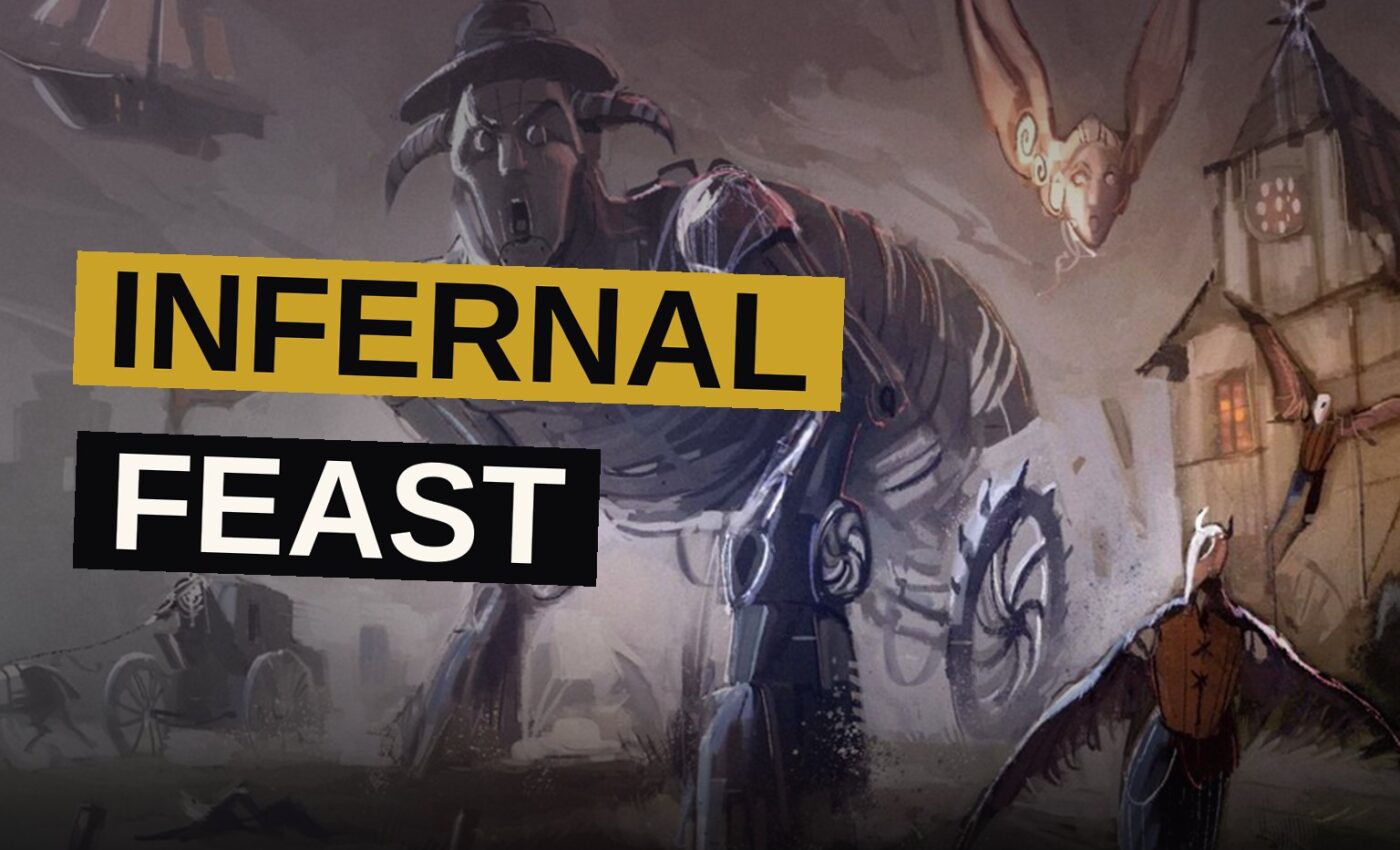
Thousand Hells is a ‘tactical narrative’ feast of infernal storytelling, but its defeats can feel brutal. That is the verdict from PC Gamer’s Lincoln, who has spent considerable time guiding doomed adventuring parties through the game’s underworlds. The game comes from A Sharp, the developer behind King of Dragon Pass and Six Ages, and its quality shows in every encounter.
Lincoln describes his role in the game as “dutifully feeding bands of doomed adventurers into the psychological, corporeal, and spiritual wood chipper” of the game’s hellscapes. Those hellscapes range from the primordial twilight taigas of the Midnight North to the melting fever-dream dominion of the Hell of Nightmares. Each location feels rich with implied culture, tradition, and history.
The problem, Lincoln writes, is that he spends too much time feeling his efforts are futile.
Starting in the Eternal City
A game of Thousand Hells begins in the Eternal City, a metropolis where the thousand worlds conjoin. From there, daring or foolish heroes embark into one of four hells to complete a task given by a patron. In Lincoln’s case, one such task involved reclaiming the spirits of two murdered princes.
Before any run, players gather a party through a team-building process. That process gives an incomplete picture of each recruit’s talents and traits. Those traits become the core rule once the party enters hell.
During turn-based trials, players play their traits as game tiles. The better a trait matches the task, the better the dice roll for surpassing a challenge. If a party must find its way through a storm-tossed ocean below the earth, Lincoln notes, a sailor or scout will have better odds than a streetwise poet with a profound fear of water.
“I’ve bartered for my safety with a swarm of brain-bats by offering the pickled thinking organs of a renowned philosopher.”
High Points With a Full Party
When Lincoln fields a well-rounded party, the game feels like a personal epic. He describes weaving together brave acts and quick thinking with a tapestry of strange creatures and dangers.
His parties have cut the head from a titanic eel on the banks of an ocean that has never known the light of day. He has looted the tomb of a tyrant-king after breaking the spell that kept murdered slaves in ages of spectral servitude. These moments showcase what Lincoln calls “some truly best-in-class procedural storytelling.”
The game is designed for quicker, more repeatable sessions than A Sharp’s prior work.
Defeats That Sting
The main issue, Lincoln writes, is that starting a new game often means watching a party get slowly ripped apart by consecutive defeats. This happens when randomized traits don’t prove applicable to a particular quest’s encounters.
A party of four can only put forward one character to do most of the work in any given encounter. That nominated character can randomly draw on one trait from each of their comrades. But an unlucky first shuffle of talents can leave Lincoln with the suspicion that a run was doomed from the start.
He gives a specific example. If a skill wasted on his shaman had instead been held by his cutpurse, the run might have succeeded. Even a well-chosen warrior can fail if the wrong traits keep appearing.
Lincoln describes picking a warrior suited for a duel with a bronze-skinned guardian demon. That warrior might be combat trained. But if the game keeps drawing tiles tied to his ugliness and religious devotion when all Lincoln needs is his sword arm, the demon will tear him apart without much trouble.
Injuries only make matters worse for later encounters that need stabbing.
Comparing Strong and Weak Moments
The contrast between the game’s storytelling highs and its punishing lows is clear. Lincoln’s account suggests a game that rewards preparation but punishes luck heavily.
| Aspect | Strong Moments | Weak Moments |
|---|---|---|
| Storytelling | Best-in-class procedural narratives | Back-to-back miseries without recourse |
| Party setup | Well-rounded parties feel epic | Unlucky trait draws doom runs |
| Hellscapes | Richly imagined worlds | Sharp edge to difficulty |
| Fights | Brave wins, quick thinking | Repeated defeats from bad trait draws |
The game’s hellscapes, Lincoln writes, “are worth the price of admission—but it’s a price with a punishingly sharp edge.”
Where to Find It
Thousand Hells: The Underworld Heists is available on Steam now. Lincoln has been writing about games for 12 years, with earlier work appearing on Waypoint, Polygon, and Fanbyte. He joined PC Gamer as a full-time news writer in 2024.
His background includes Caves of Qud bird diplomacy, getting sons killed in Crusader Kings, and hitting dinosaurs with hammers in Monster Hunter. His interest in procedural storytelling goes back to college essays about Dwarf Fortress.
For players considering the game, Lincoln’s account offers a clear warning. The imagination on display is remarkable, and the worlds are memorable. But the game will test patience as much as strategy.
The game’s core problem is simple. A party can be perfect on paper and still fail because the right traits never surface at the right time. That randomness cuts both ways, producing both great wins and frustrating defeats.
Lincoln’s review suggests the game’s audience should expect both.
Source: pcgamer.com
Get the Notebook.
The day's best stories and every fresh verdict, in plain English, in your inbox by seven. One email a day, no more.