
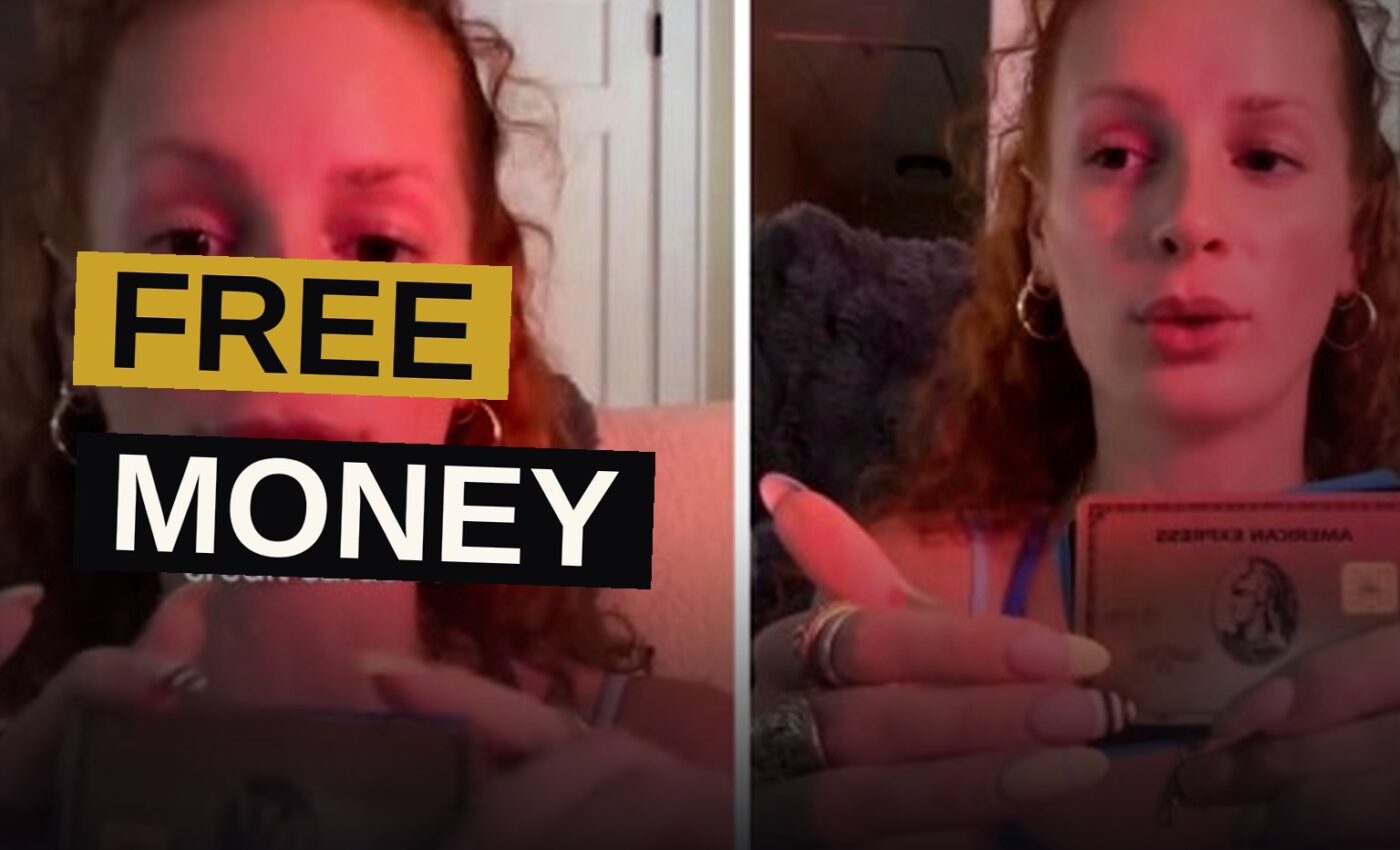
A TikToker named Abby, known as @savewithab, has turned a simple credit card lesson into a social media debate. Her video “Credit Cards 101” argues that treating a credit card like a debit card turns rewards into free money — and the comment section is split on whether that math holds up for everyone.
Abby’s core rule is easy to state: never spend money you don’t already have in the bank. Pay every credit card balance in full each month, she says, and you avoid interest and debt. She calls her method a beginner’s guide to using credit cards, aimed at people who worry that plastic inevitably creates debt.
The video has earned more than 231,000 likes and about 735 comments. The engagement shows people care deeply about how they handle credit.
Abby’s Rules for Spending
Abby starts with the basics. Spend only money you already have, she says, and pay the bill before interest kicks in. She warns against treating credit cards as unlimited spending accounts.
She also touches on credit utilization, the ratio of your card’s balance to its limit. Keep it below 30%, she says, giving a $5,000 limit as an example and recommending spending below $1,500 before paying. Maxing out a card hurts how lenders see the account, she says. Increasing the limit can create more room for regular purchases.
Abby says she uses five credit cards to pile up points from everyday purchases. Those rewards cover flights, hotels, and cash-back benefits, she says — “free money” when users avoid debt and interest. Her broader content pushes high-yield savings accounts and early investing.
What Commenters Shared
The replies break into two camps. Some praise Abby’s approach; others raise serious hardship.
One commenter wrote, “I use my credit card ONLY for gas,” then paid it after payday. Another said, “I’m 19 with a 736 credit score,” adding that money still causes stress. Those comments suggest disciplined payment habits help younger users build credit.
A second commenter praised Abby directly, writing, “Treating credit cards responsibly really makes such a difference financially.” Another user described a similar gas-only strategy and said they paid the balance weekly. They reported a 740 credit score at age 20.
The Commenter Who Pushes Back
Not everyone agreed. One user wrote, “Moved into my own apartment by myself and live paycheck to paycheck.” Their credit cards sit maxed out, they said. That response shows why Abby’s strategy may not work equally well for every viewer.
It also highlights the risks of using credit without enough cash to cover purchases.
Why the Debate Matters
The discussion underscores a point Abby herself made: credit card rewards only benefit users who can pay their balances in full every month. Abby’s advice repeats that rule again and again.
The video’s popularity suggests many people want to hear this message. Whether they follow it is another question.
What the Video Leaves Out
The Daily Dot could not independently verify commenters’ credit scores or financial circumstances. The financial strategies described reflect Abby’s personal approach.
That matters because Abby is not a professional money manager. She is a TikToker with a following, sharing tips she says work for her. Her advice is practical and easy to understand — but it is not backed by formal credentials.
The Honest Takeaway
The split opinion is the story. People with strong credit scores praise Abby’s approach; people struggling financially push back. Both groups are using the same tool — a credit card — in very different ways.
“Treating credit cards responsibly really makes such a difference financially.”
Credit cards are a tool. How you handle them decides whether they work for you.
Key Facts Box
- Video title: “Credit Cards 101”
- Creator: Abby (@savewithab)
- Likes: More than 231,000
- Comments: About 735
- Credit utilization goal: Below 30%
- Example limit: $5,000
- Recommended spending: Below $1,500 before payment
- Abby’s card count: Five
- Commenter credit scores: 736 and 740
The Bottom Line
Abby’s video is a reminder that credit cards are not evil — they just require self-control. Spend only what you have, pay on time, and the rewards pile up.
The comment section proves the point. Discipline pays off for some and fails for others.
That is the honest takeaway. Credit cards are a tool. How you handle them decides whether they work for you.
Get the Notebook.
The day's best stories and every fresh verdict, in plain English, in your inbox by seven. One email a day, no more.