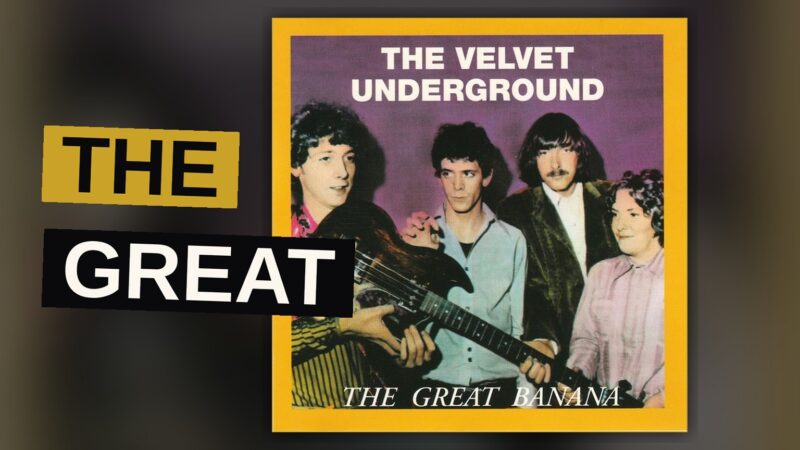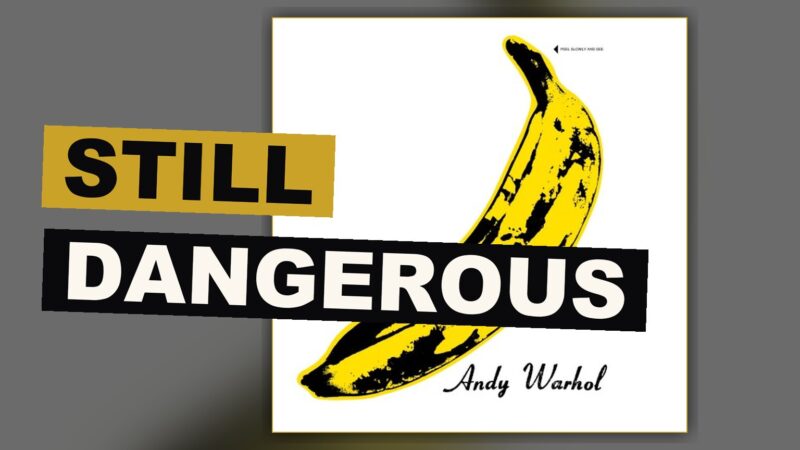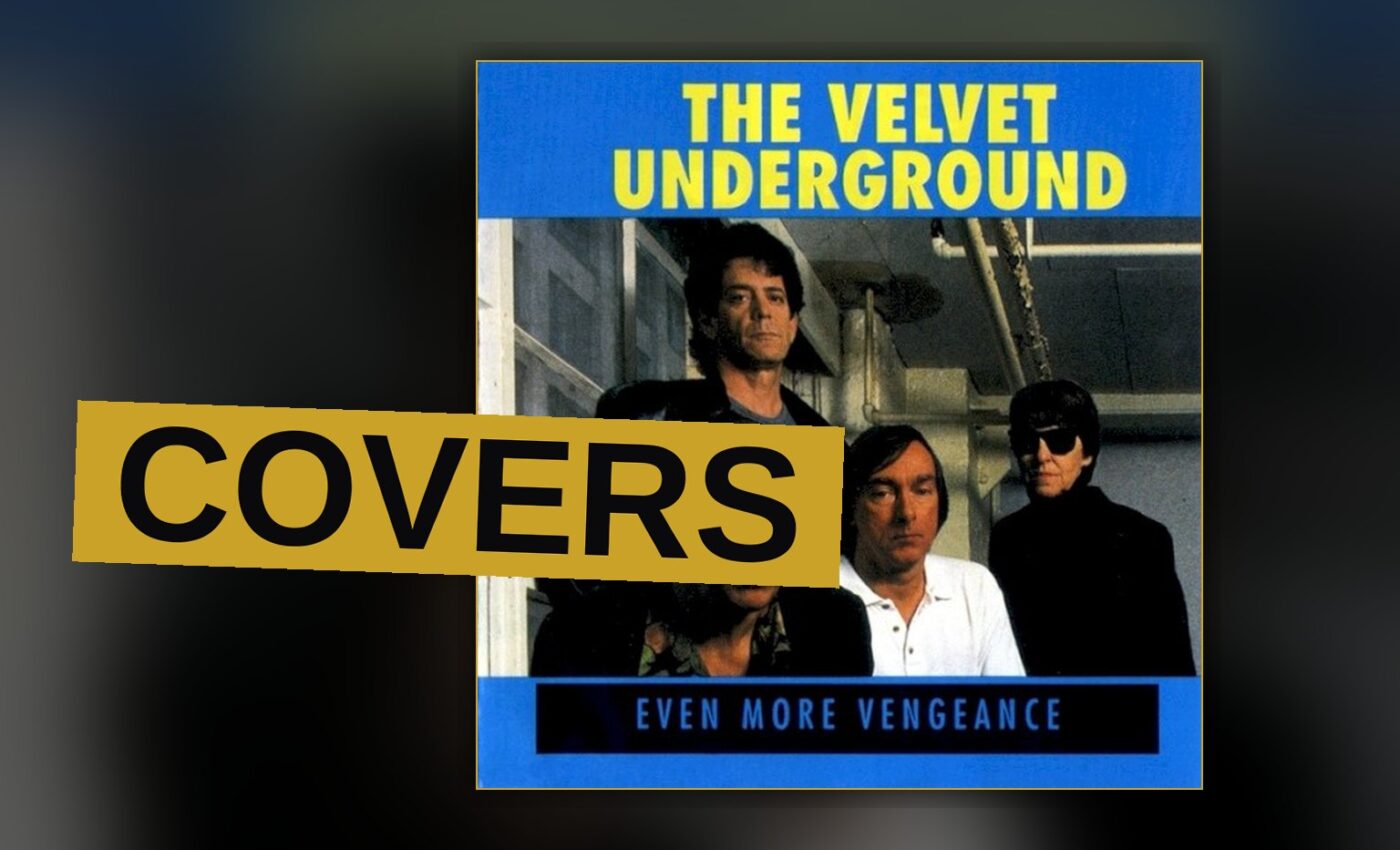
Even More Vengeance is a strange beast. It is a Velvet Underground album that does not feature the man who wrote nearly everything on it, and it is a Velvet Underground album that tries to sound like nothing else in rock history. This is a record built entirely out of covers, with the exception of a few originals, and it is trying to prove that the Velvet Underground’s sound can live without Lou Reed. That is a tall order, and it mostly fails. What remains is a document of a band trying to hold onto a name after the reason for that name has moved on.
The record is a double album, fourteen tracks deep, and it runs just over an hour. It is a grab bag of classics, oddities and leftovers, and it plays like a group of musicians trying to decide what to do next while the world still expects them to sound like the band they were in the early days. The result is uneven, fascinating in patches, and ultimately less than the sum of its parts.
Opening With Sweet Jane
The album opens with “Sweet Jane,” a song that has been covered a thousand times and remains one of the band’s most beloved tracks. The version here is slow and deliberate, letting the melody breathe where other renditions might rush it. It sets a tone of reverence rather than reinvention, and it works. It is a strong start, but it also signals what is to come: this is a band playing familiar territory without much new ground to break.
“The Black Angel’s Death Song” follows, and it is a different animal. The track is built for noise, and the band leans into that with a wall of feedback and a driving rhythm. It is a reminder that the Velvet Underground could be brutal when they wanted to be, and this version captures some of that menace. It is a solid performance, though it lacks the raw edge of the original.
Rock and Roll Through Pale Blue Eyes
“Rock and Roll” is a cover of a classic, and it is a cover that knows exactly what it is doing. The band plays it straight, with a steady beat and a chorus that demands to be sung along with. It is a crowd-pleaser, and it earns its place on the record. “I’m Waiting for the Man” comes next, and it is a drug dealer’s anthem done in a style that recalls the band’s early work. It is a good version, but it is not a great one.
“Pale Blue Eyes” is a ballad, and it is one of the record’s best moments. The vocal is tender, the arrangement is sparse, and the song’s melancholy carries through without feeling heavy-handed. It is a quiet highlight in a collection that often feels loud by default.
The Long Middle Stretch
“Heroin” is a cover of a song that is almost impossible to do justice to, and this version does not quite get there. It is long, and it builds slowly, but it never quite reaches the emotional peak of the original. It is a competent reading, but it is a missed opportunity.
“Coyote” is a lesser-known track, and it is a pleasant diversion rather than a statement. It is a country-rock number, and it fits the band’s later work better than it fits their earlier material. It is a decent tune, but it is easy to forget once the record ends.
“Heroin” appears again, and this time it is shorter. The second take is tighter, but it is also more mechanical. It is a curiosity, but it is not essential listening.
“I’m Waiting for the Man” shows up again, this time in a shorter form. The brevity is welcome, but the song loses some of its menace in the compression. It is a serviceable version, but it is not a definitive one.
I’ll Be Your Mirror Through Forever Changed
“I’ll Be Your Mirror” is a love song, and it is a gentle one. The band plays it with restraint, and the simplicity of the arrangement lets the melody shine. It is a nice change of pace, and it works well as a palate cleanser.
“I Need You” is a brief interlude, and it is a minor one. It is a quick burst of energy, but it does not leave much of an impression. It is filler, and it is fine as filler.
“Foot of Pride” is a long instrumental, and it is a bold choice. The band stretches out, and the track gives the musicians room to explore. It is a technical showcase, and it is a reminder that this group can play. It is not a song, exactly, but it is a worthwhile detour.
“Style It Takes” is a lesser-known track, and it is a bit of a throwaway. It is a poppy number, and it is fun in a low-key way. It is not a standout, but it is not a misstep either.
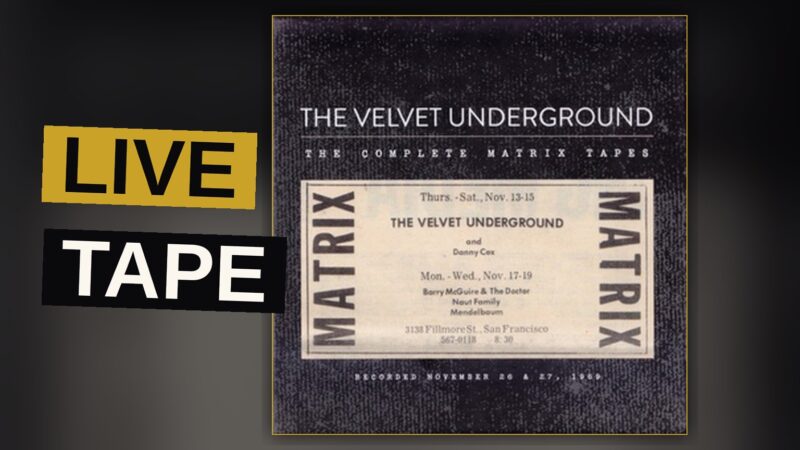
“Sister Ray”, as it goes for seventeen-and-a-half minutes is an example showing how unconventional recording it was at the time.
“Forever Changed” closes the album, and it is a fitting end. It is a slow, brooding track that looks inward rather than outward. It is a strong closer, and it leaves the listener with a sense of unresolved tension rather than resolution.
The Record’s Legacy
This is not a bad album. It is not a good one either. It is a record that exists to preserve a legacy rather than to create one, and it does that job competently. The covers are well played, the originals are solid, and the record holds together as a whole even when individual tracks fall short.
It is a document of a band in transition, and it is worth hearing for that reason alone. But it is not essential listening for anyone who already owns the band’s earlier work. It is a footnote, not a statement.
The record succeeds in moments, and it fails in stretches. It is a mixed bag, and it is best enjoyed as a curiosity rather than a masterpiece.
Here is how the tracks stack up:
- “Sweet Jane” — strong opener, a bit too reverent
- “The Black Angel’s Death Song” — solid, but lacks the original’s menace
- “Rock and Roll” — a crowd-pleaser
- “I’m Waiting for the Man” — decent, but rushed
- “Pale Blue Eyes” — the quiet highlight
- “Heroin” — misses the mark
- “Coyote” — a pleasant, forgettable diversion
- “Heroin” (second take) — tighter, but more mechanical
- “I’m Waiting for the Man” (shorter version) — serviceable
- “I’ll Be Your Mirror” — a nice change of pace
- “I Need You” — filler
- “Foot of Pride” — a technical showcase
- “Style It Takes” — a minor, fun interlude
- “Forever Changed” — a strong closer
Even More Vengeance is a record that fans will want to hear, but casual listeners will find little reason to seek it out. It is a footnote in the Velvet Underground’s catalog, and it is best appreciated for what it is: a band trying to hold onto a name after the reason for that name has moved on.
The record’s best moments — “Pale Blue Eyes,” “I’ll Be Your Mirror,” “Forever Changed” — are worth the price of admission. Its worst moments — the two “Heroin” takes, the second “I’m Waiting for the Man” — are forgettable. Taken as a whole, it is a competent, occasionally inspired tribute to a band that has already made its mark elsewhere.
A Narrow Task
This is not a record that changes the conversation about the Velvet Underground. It is a record that preserves a moment in the band’s career, a moment when the band was trying to keep the name alive without the man behind it. It succeeds in that narrow task, but it fails to become something greater.
- Sweet Jane4:32
- The Black Angel’s Death Song4:27
- Rock and Roll5:46
- I’m Waiting for the Man5:00
- Pale Blue Eyes6:06
- Heroin8:25
- Coyote5:50
- Heroin6:20
- I’m Waiting for the Man3:05
- I’ll Be Your Mirror2:27
- I Need You1:22
- Foot of Pride7:49
- Style It Takes3:12
- Forever Changed5:17