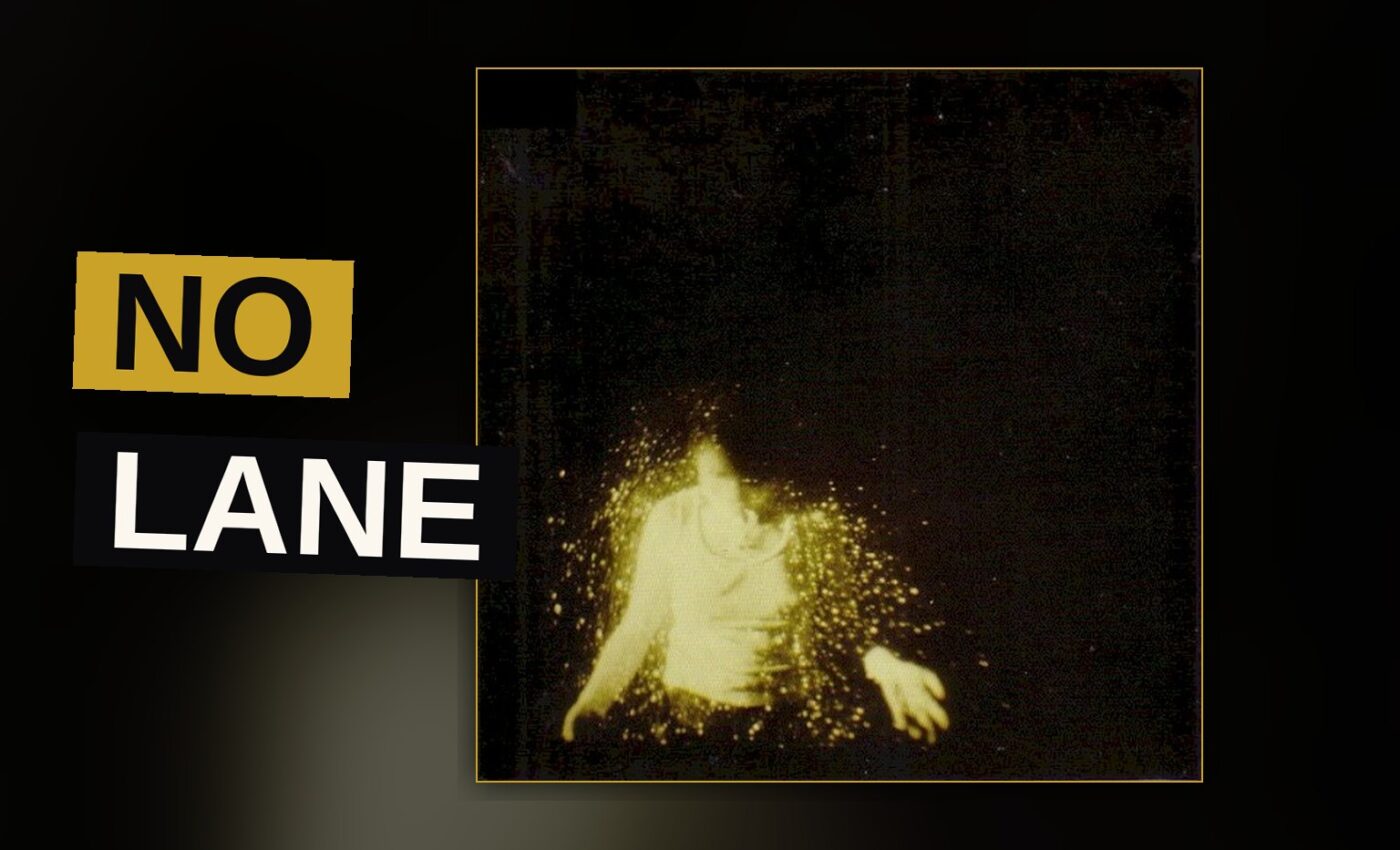
Wolf Alice’s My Love Is Cool is a band refusing to pick a lane. Across twelve tracks and forty-eight minutes, the London quartet move from shimmering pop to grunge stomp to psychedelic drift, and they never settle on one sound. That restlessness is the whole point. The record wants to be both dreamy and loud, both delicate and heavy, and mostly it succeeds.
The album is built on a simple tension: frontwoman sings about loneliness and desire over music that can be gentle and then suddenly brutal. The guitars switch between jangly hooks and distorted riffs without warning, and the songs are often better for the friction. This is not a record that eases into a mood. It jumps between them.
Turn to Dust Sets the Tone
The opener, “Turn to Dust,” starts the record on a light note. The melody is bright, almost twee, before the chorus kicks in with a heavier riff. It’s a warm invitation to the listener, and it works. The song announces that this is a band comfortable with contrast.
“Bros” follows and it’s the strongest track on the record. The verses are delicate and almost fragile, while the chorus breaks into a full-throated, anthemic roar. It’s the moment the album’s ambition is clearest: a song that can be tender and loud at once, and make both feel necessary. It’s a track critics singled out, and the praise is deserved.
“You’re a Germ” is shorter and sharper. It’s a burst of punk energy, all snarling bass and sneering vocals, and it doesn’t waste a second. It’s not subtle, but it doesn’t need to be. The song is a release valve after the record’s earlier calm, and it clears the air before the middle stretch.
“Lisbon” slows things down again. The song is named after a city, and it feels like a travelogue — a wistful, almost cinematic meditation on distance and memory. It’s one of the tracks critics singled out, and it earns that attention. The guitar work is patient, letting the melody breathe.
“Silk” is more straightforward rock, with a driving rhythm and a chorus that sticks. It’s solid, but it doesn’t reach the heights of the tracks around it. It’s a comfort zone, and the band plays it well enough.
Freazy Through Giant Peach
“Freazy” is another highlight. It’s a slow-burning track, building from a quiet verse into a bigger, more urgent chorus. The lyrics are about isolation and longing, and the music matches that feeling. It’s a song that grows, and that growth is the point.
“Giant Peach” is the longest track before the closer, and it’s also one of the most ambitious. The song builds from a sparse, almost folk-like intro into a full band swell, and it shows off the band’s range. It’s a track that rewards patience, and it pays off by the end.
“Swallowtail” is the outlier here. It’s the most experimental track on the record, with a strange, almost otherworldly production. It’s interesting, but it’s also the most uneven moment. The song doesn’t quite land, and it feels like a detour rather than a destination.
“Soapy Water” picks the pace back up. It’s a driving, blues-influenced track with a swagger that’s easy to lose yourself in. It’s not as memorable as some of the record’s best moments, but it holds the album together.
“Fluffy” closes the main body of the record on a lighter note. The title is ironic — the song is anything but fluffy. It’s a tense, brooding track with a dark edge, and it ends the album with a sense of unease. It’s a strong closer, and it sets up the final track perfectly.
The Wonderwhy Closes the Record
“The Wonderwhy” is the album’s longest track, and it’s the most ambitious statement. It builds from a slow, atmospheric intro into a full-band climax, and it’s the kind of song that demands attention. It’s the record’s thesis — that you can be both fragile and powerful, both lost and found.
“You can hate us all you want but it don’t mean nothing at all.”
That line sums up the album’s attitude. Wolf Alice isn’t interested in pleasing everyone. They’re interested in making music that means something to them, and they trust the listener to follow.
What Holds the Record Together
The album’s strength is its refusal to commit to one identity. The band moves between genres without losing momentum, and the songs flow into each other seamlessly. The production is clean and clear, letting the instruments sit comfortably in the mix. There’s no clutter here, just a band doing what it wants.
The weakness is that the middle section drags slightly. “Swallowtail” and “Soapy Water” are less essential than the highlights around them, and the record loses some of its urgency in the middle stretch. But the highs are high enough to carry the whole thing.
Final Word
My Love Is Cool is a confident, restless record from a band that knows exactly what it wants to be. It’s not perfect, but it’s consistently engaging. The highlights — “Bros,” “Freazy,” “Giant Peach,” “Fluffy,” “The Wonderwhy” — are among the best rock songs of their decade, and the lesser tracks don’t drag the record down. This is a band at the peak of its powers, and the album captures that energy.
The record trusts the listener to keep up with its shifts, and mostly it delivers on that trust.
- Turn to Dust3:08
- Bros3:45
- Your Loves Whore4:57
- You’re a Germ2:53
- Lisbon3:26
- Silk4:04
- Freazy3:15
- Giant Peach4:35
- Swallowtail5:41
- Soapy Water3:42
- Fluffy2:44
- The Wonderwhy6:47