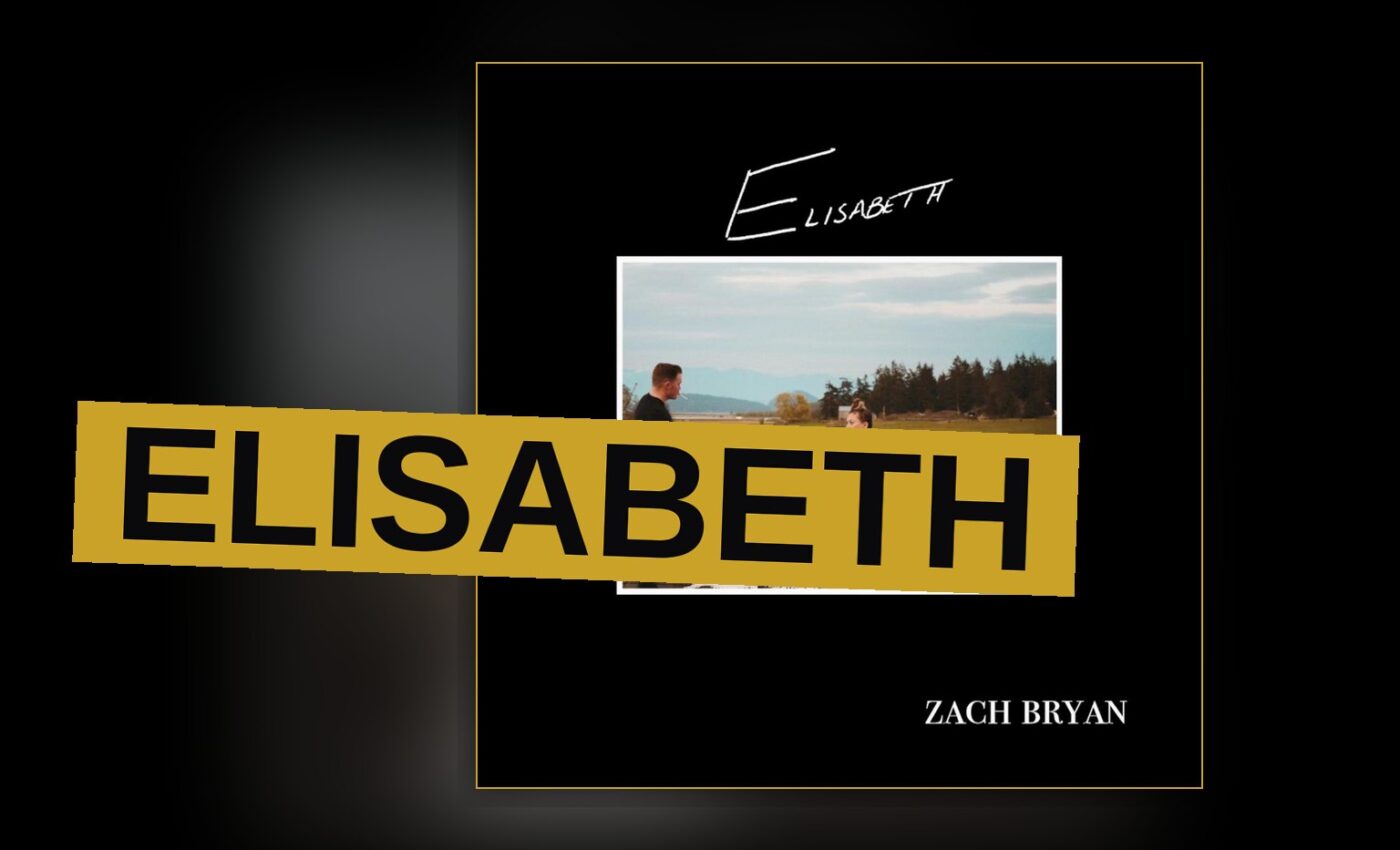
Zach Bryan built Elisabeth on eighteen acoustic songs, and he does not hide the seams. This is a bedroom record dressed up for release — raw, intimate, and unfiltered in a way that feels less like a polished statement and more like a confession left on tape. The Tulsa singer-songwriter spent years playing shows before anyone paid attention, and these songs carry that history in every strum. They are not polished for radio; they are honest, sometimes uncomfortably so, and they ask listeners to sit with the discomfort of intimacy that comes with being handed someone else’s grief.
The record runs 64 minutes across its eighteen tracks, and it moves through loss, addiction, and the quiet persistence of everyday life without ever raising its voice. It is not a record about grand statements or big ideas. It is a record about staying alive while the world around you falls apart, and it finds its power in that particular honesty.
Come As You Are Opens the Door
The album starts with “Come as You Are,” a gentle opener that sets the tone before the weight arrives. It is a patient introduction, more mood-setter than statement, and it does the job of getting the listener ready for what follows. Nothing here is rushed, and that patience pays off as the record moves deeper into its subject matter.
“From a Lover’s Point of View” follows, a brief three-minute sketch that leans on acoustic guitar and a sense of distance. It is not a standout, but it holds the album together at its early stages, keeping the momentum low-key and steady.
“Driving” keeps things moving at a similar pace, a song about motion that never quite reaches its destination. It is competent without being memorable, one of the tracks that passes through rather than demands attention.
Heading South Carries the Weight
“Heading South” is where the record finally announces itself. It is the first moment of real emotional clarity, a song about leaving a place behind and carrying grief along for the ride. The arrangement stays simple — acoustic guitar, voice, and a sense of movement — but the performance lands. It is one of the tracks critics singled out for good reason, and it earns its place as the album’s turning point.
“Cold Blooded” follows, a shorter, sharper song about violence and consequences. It is a darker entry in the sequence, and it works because Bryan lets the anger sit in the room rather than smoothing it over. It does not linger, but it leaves a mark.
Mine Through Loom Holds the Middle
“Mine” is a short, direct song about possession and fear, and it plays almost like a warning. It is not the strongest track on the record, but it fits the album’s theme of control and fear of losing what matters.
“Leaving” continues the pattern, a song about departure that never quite says goodbye. It is a solid, if unremarkable, entry in the middle stretch, one of the tracks that fills space rather than defines it.
“Codeine Pills (Part One)” and “Anita (Part Two)” arrive back to back, a pair of songs that deal with addiction and memory. The pairing works because it gives the record a breath of air after the heavier middle section. They are not the album’s best moments, but they keep the mood from collapsing.
Hopefully and Messed Up Kid Push Forward
“Hopefully” is a brighter entry, a song about finding small reasons to keep going even when everything else feels broken. It is one of the album’s more optimistic moments, and it provides a needed contrast to the darker material that surrounds it.
“Messed Up Kid” is the album’s most direct statement of self-doubt. It is a song about being judged and carrying that judgment inside, and Bryan delivers it with a weariness that feels earned rather than performed. It is one of the tracks that stands out, and it shows why critics found this record compelling.
Me and Mine Stands Apart
“Me and Mine” is the album’s high point. It is a song about identity and belonging, and it is the clearest example of Bryan’s ability to make personal grief feel universal. The arrangement is spare — just voice and guitar — but the writing carries the weight. It is one of the tracks critics singled out, and it is easy to hear why.
“Old Man” follows, a song about aging and perspective. It is a quieter, more reflective piece, and it works as a palate cleanser after the intensity of the previous track. It is not the strongest song here, but it does its job of letting the record breathe.
“A Boy Like You” is a song about comparison and expectation, and it carries a gentle sadness that fits the album’s overall mood. It is a solid entry, but it does not demand the same attention as the tracks around it.
Elisabeth Closes It Out
“Elisabeth” is the title track, and it functions as a centerpiece. It is a song about loss and memory, and it is the album’s most direct address to the person it is named after. The performance is strong, and it closes the record’s main arc of grief and remembrance.
“Washington Lilacs” and “Revival” close the album on a note of quiet hope. They are the shortest tracks on the record, and they serve as a final gesture rather than a conclusion. They do not resolve anything, but they leave the door open.
What Works and What Does Not
The album’s strength is also its weakness. Eighteen straight acoustic tracks demand patience, and not everyone will want to sit through that much quiet honesty in one sitting. But for those willing to engage with the material, the payoff is real. The record’s intimacy is its greatest asset, and Bryan never pretends otherwise.
Here is how the eighteen tracks stack up:
- “Heading South” — the album’s turning point, raw and emotionally direct
- “Me and Mine” — the high point, spare and deeply felt
- “Messed Up Kid” — a standout in its handling of self-doubt
- “A Boy Like You” — a solid, reflective entry
- “Old Man” — a quiet breather that does its job
- “Hopefully” — a bright spot amid the darkness
- “Elisabeth” — the title track, a direct address to the person it honors
- “Washington Lilacs” and “Revival” — quiet closers that set the record down gently
The rest — “Come as You Are,” “From a Lover’s Point of View,” “Driving,” “Cold Blooded,” “Mine,” “Leaving,” “Codeine Pills (Part One),” “Anita (Part Two),” “Loom,” “Me and Mine” — fill out the record’s shape without defining it. They are competent, often pleasant, but they are not the reason anyone returns to this record.
The Verdict
Elisabeth is a record about staying alive while the world around you falls apart, and it finds its power in that particular honesty. It is not a perfect album — the eighteen-track length will test the patience of some listeners — but the sincerity on display is rare in modern music. Bryan does not smooth over his grief; he hands it to the listener in full, and that honesty is what makes the record work.
The album earns an 8 of 10, in line with the critical reception that has greeted it. It is a record that rewards attention, even when that attention requires patience. It is not a record for everyone, but for those willing to sit with its grief, its intimacy, and its quiet rage, it offers something genuine and lasting.
- Come as You Are4:46
- From a Lover’s Point of View3:04
- Driving3:29
- Heading South3:30
- Cold Blooded3:25
- Mine2:58
- Leaving3:27
- Codeine Pills (Part One)3:16
- Anita (Part Two)3:44
- Hopefully3:58
- Messed up Kid4:20
- Loom2:44
- Me and Mine2:57
- Old Man4:02
- A Boy Like You4:48
- Elisabeth3:20
- Washington Lilacs2:48
- Revival3:41