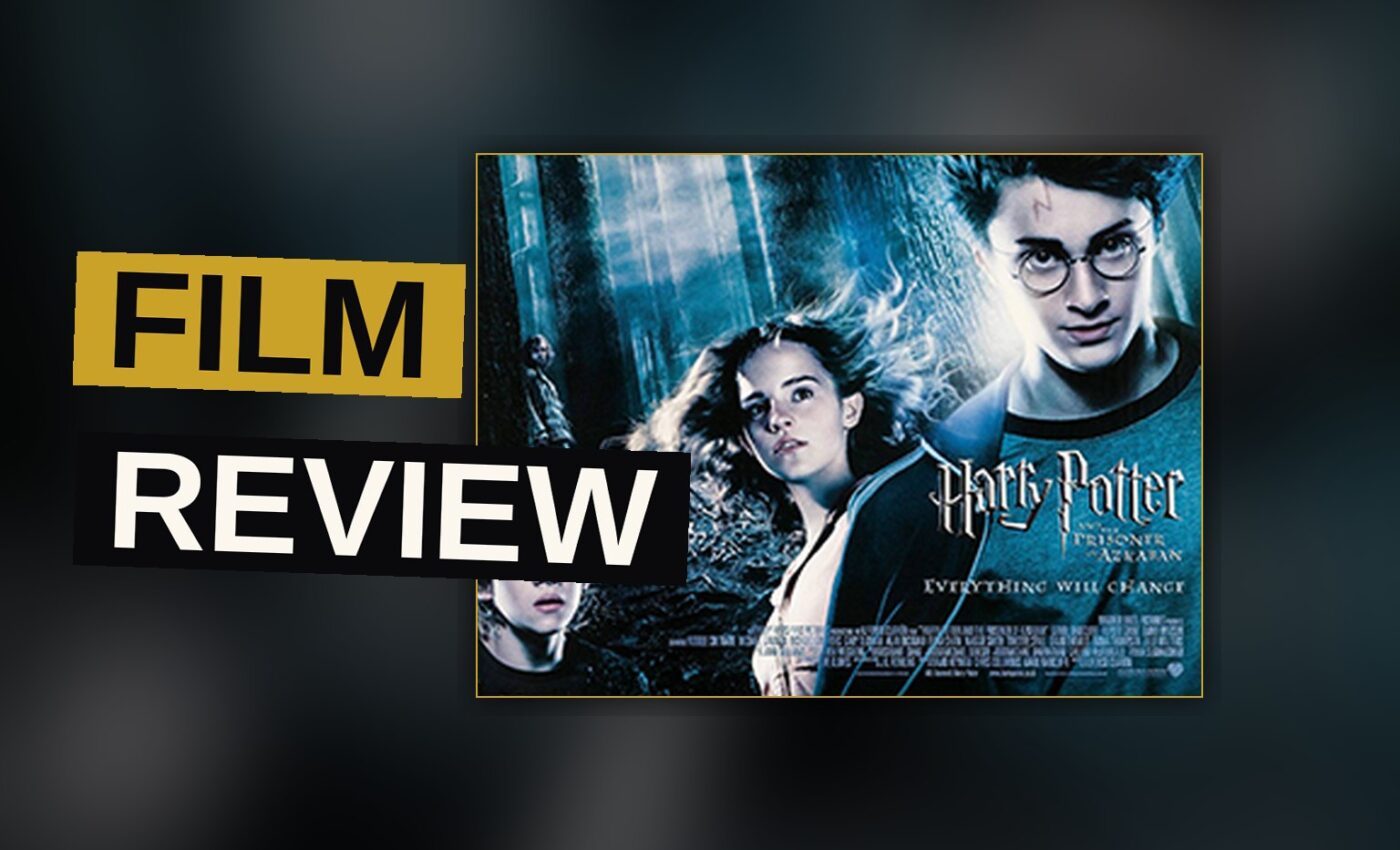
The third film in the series is the first one that feels like a movie, not a delivery system for plot points. Director Alfonso Cuarón takes the world J.K. Rowling built and lets it breathe, filling the frame with weather, movement, and dread. The result is the best-looking Harry Potter film to date, and the one that finally trusts its audience to keep up.
Trailer, via Warner Bros. UK & Ireland.
Sirius Black and the Dementors
The story opens with Harry Potter and the Prisoner of Azkaban picking up the pieces after a year of grief. Harry has fled the Dursleys, and the wizarding world is on edge. Sirius Black has escaped from Azkaban, and the Ministry believes he is coming for Harry.
Cuarón establishes the stakes in the first act with a single image: the Knight Bus screaming through London streets. It is frantic, funny, and slightly terrifying. Then come the Dementors. They are the film’s great achievement, hooded horrors that drain warmth from the air. Their presence turns every encounter into a test of nerve.
- The Dementors are the film’s best visual invention.
- The time-turner climax is its cleverest narrative turn.
- Gary Oldman’s Sirius Black is its most human performance.
- The shrunken-head bus conductor is its most welcome absurdity.
Secrets of the Marauder’s Map
The plot hinges on a magical map that reveals every secret passage in Hogwarts. It is a gift from Fred and George Weasley, and it hands Harry a tool of surveillance and escape. The map also introduces the film’s central mystery: who wrote it, and why does it know so much?
The answer comes through David Thewlis as Remus Lupin, the new Defense Against the Dark Arts teacher. Thewlis plays Lupin as a man worn down by secrecy. His scenes with Harry carry real warmth, and his eventual revelation lands with genuine sadness. The film does not rush him.
Time-Turner Payoff
The climax sends Harry and Hermione back in time to save Sirius from execution. The sequence is a model of clear storytelling. The film shows the same events from two angles, and it never cheats. Every detail lines up, and the payoff is a quiet act of rescue rather than a duel.
Cuarón shoots the time-turner scenes with a patient eye. The camera lingers on the past versions of the characters, letting the audience feel the weight of what they are changing. It is a rare blockbuster sequence that rewards attention rather than punishing it.
Cinematography and Score
Michael Seresin’s cinematography is the film’s quiet triumph. The palette is cold and grey, with bursts of color reserved for moments of magic. The Whomping Willow bends and snaps with real menace. The castle itself feels older and wilder than in the first two films, its corridors shadowed and its towers leaning.
The music, by John Williams, is the last of his Potter scores, and it is the best. Hedwig’s theme is reworked and pushed to the margins, replaced by a choral swell that feels like a hymn for lost children. It suits the film’s mood.
Cast and Pacing
Daniel Radcliffe, Emma Watson, and Rupert Grint all improve here. Radcliffe carries more anger than before, and Watson’s Hermione is sharper and less brittle. Grint gets the film’s best comic beat, a moment involving a monster book that bites. Oldman appears late but makes every scene count. His Sirius is gaunt, desperate, and finally gentle.
The film is not flawless. The pacing sags in the middle, and some subplots, like the fate of Buckbeak the hippogriff, are resolved too quickly. The theatrical version still feels rushed in places.
A Turn for the Better
Harry Potter and the Prisoner of Azkaban is the moment the series grew up. It trades exposition for atmosphere, and it trusts its young cast to act. It is a film about time, memory, and the cost of secrets, and it wears those themes lightly.
It is not the most faithful adaptation of the book, but it is the most cinematic.
Harry Potter and the Prisoner of Azkaban scores 8 of 10.