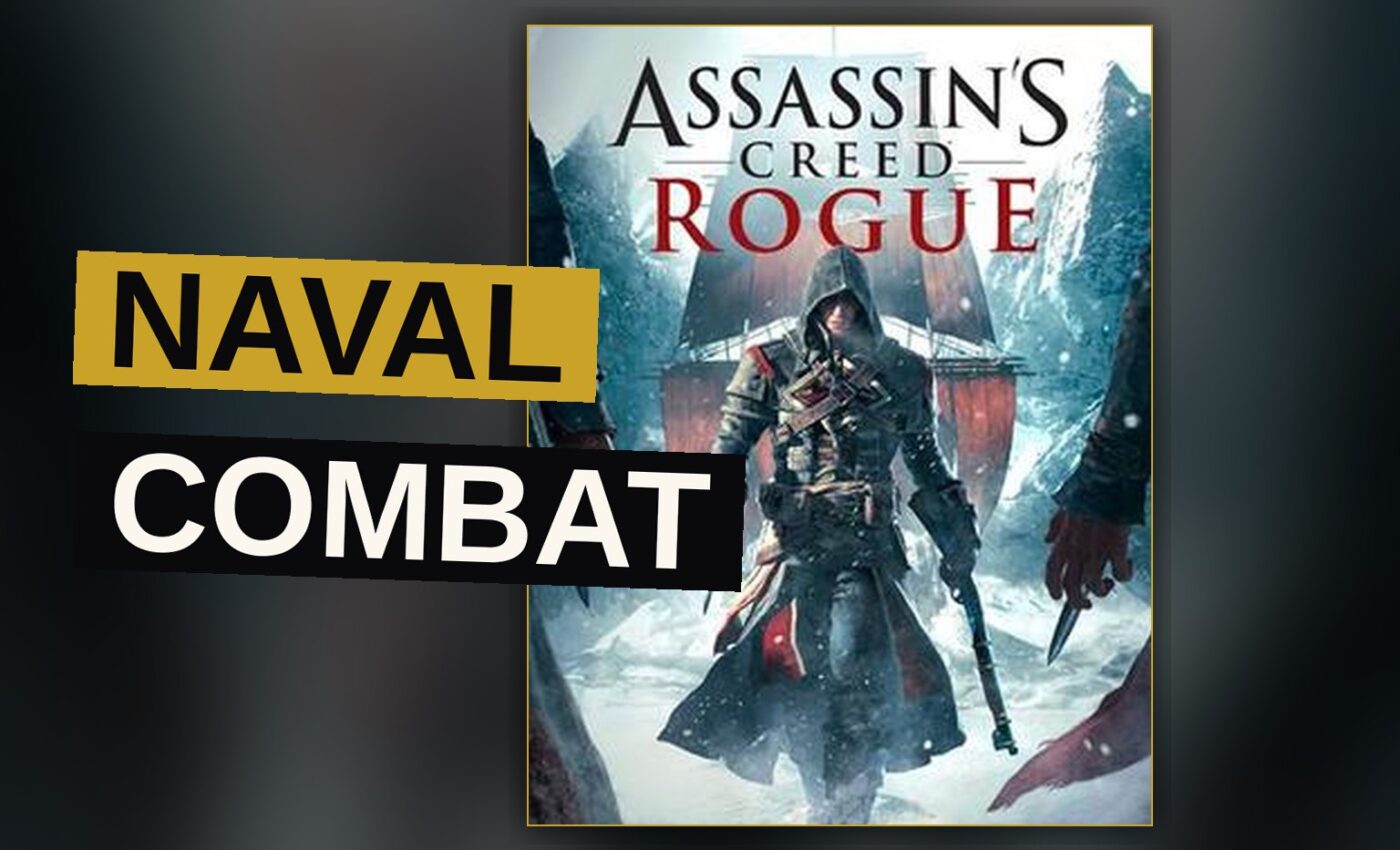
Assassin’s Creed Rogue puts players on the side of the Templars for a change, and that switch changes almost everything about how the game plays. Set between the events of Assassin’s Creed III and Assassin’s Creed IV, it follows Shay Patrick Cormac, a former assassin turned Templar hunter, as he tracks down members of his old Brotherhood across the Atlantic colonies. The result is a game that feels less like a straight sequel and more like a spinoff, with a new hero, a new enemy, and a new set of missions built around naval combat and exploration.
Trailer, via IGDBcom.
Shay’s Story
Shay is a harder sell than Desmond Miles or Ezio Auditore. He starts the game as a loyal assassin who turns on his brothers after a series of betrayals, and his arc carries the whole campaign. The game leans heavily on cutscenes and dialogue to build its case for why Shay chooses the Templars, and it mostly works. The pacing drags in the middle stretch, but the emotional beats land better than most entries in the series.
Naval Combat
The biggest addition is the naval battles. Players command a ship, sail the Atlantic, and engage other vessels in boarding actions and cannon fire. It is a welcome break from the usual parkour and stealth, and it gives the open world more verticality. The system is simple but satisfying, and it adds a layer of strategy to managing resources and crew loyalty.
Animus Framing
Like previous games, Assassin’s Creed Rogue uses the Animus to explain its fiction. Players see Shay’s memories unfold on screen while a narrator explains the historical context. The device is familiar, but the story it tells is darker. The Assassins are shown as corrupt and manipulative, and Shay’s disillusionment becomes easier to understand. It is a shift in tone that some players will appreciate, while others will miss the romanticized idealism of earlier entries.
The Open World
The game’s map is smaller than Assassin’s Creed IV’s Caribbean, but it is denser. Players move through the colonies, from Boston to New York to the West Indies, and each region offers its own mix of collectibles, side quests, and assassinations. The systems are largely the same as before, with a few tweaks to the climbable architecture and the enemy AI. The main difference is the focus on naval travel, which makes the world feel larger even when it is not.
Technical Performance
Assassin’s Creed Rogue ran on multiple platforms, and its performance varies widely depending on which one you pick. The PS3 version is the weakest, with lower frame rates and slower load times. The PC and Xbox 360 versions fare better, though they still suffer from occasional slowdown during busy sequences. The Switch port arrived later and is the most recent version available. None of them reach the visual fidelity of newer entries, but the game holds together well enough to be playable.
What Works Best
- The naval combat system
- Shay’s character arc
- The Atlantic setting
- The Animus framing device
What Falls Short
- The pacing in the middle chapters
- Some repetitive mission design
- The smaller world compared to other entries
- Technical issues on older platforms
Comparing It to Other Entries
Assassin’s Creed Rogue sits in a strange position in the series. It is not the best entry, but it is not the worst either. It offers a fresh perspective on the conflict between Assassins and Templars, and it executes that perspective with a solid core of gameplay. Fans who want to see the other side of the story will find plenty to like, even if the execution is uneven.
Final Word
Assassin’s Creed Rogue is a competent but flawed entry in a series known for its ambition. Its naval combat and narrative shift give it a distinct identity, but its technical troubles and middling pacing keep it from greatness. It is worth playing for fans of the franchise, especially those curious about the Templar perspective, but newcomers might want to start elsewhere.
Get the Notebook.
The day's best stories and every fresh verdict, in plain English, in your inbox by seven. One email a day, no more.