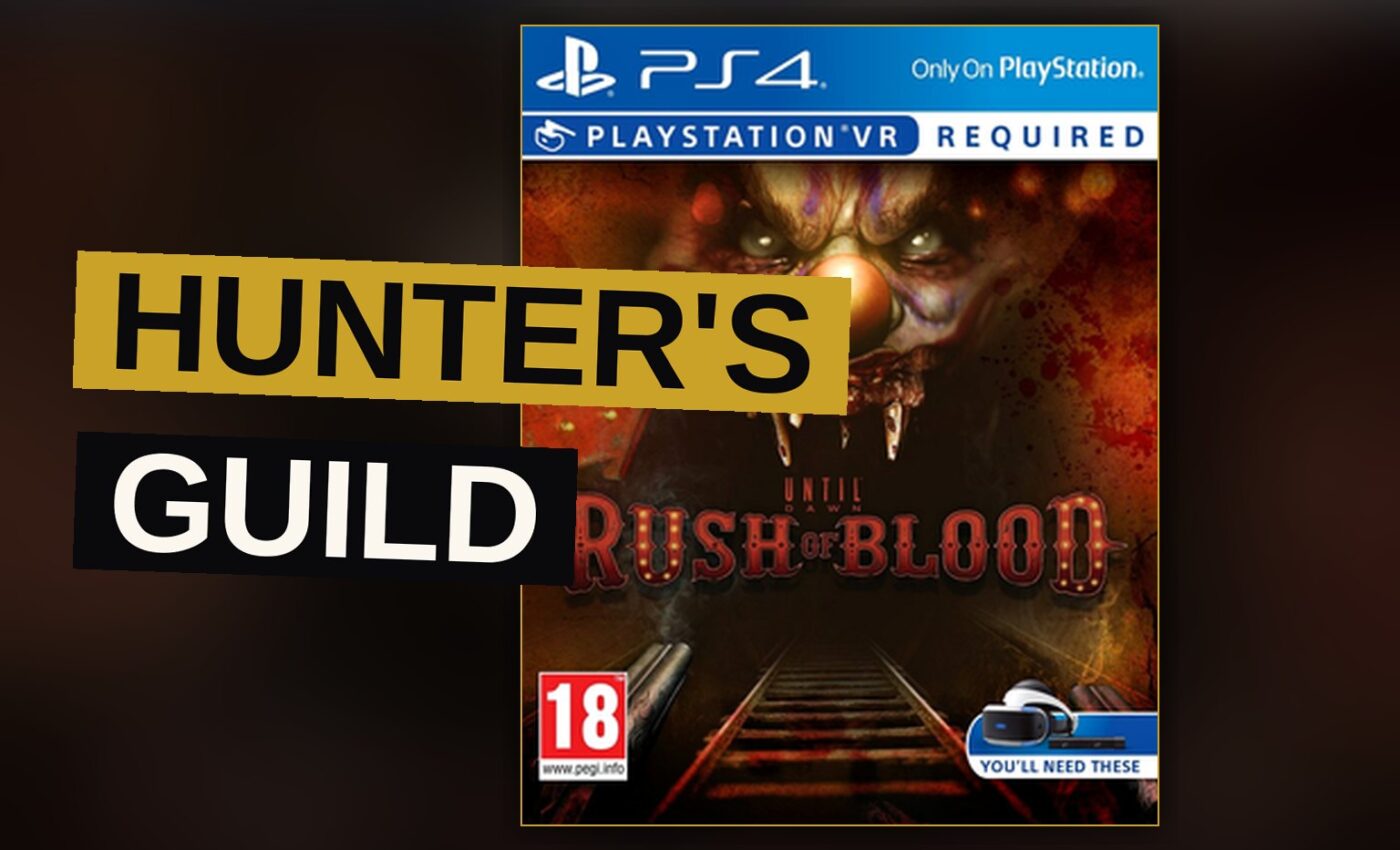
Until Dawn: Rush of Blood takes the horror of Until Dawn and strips it down to a simple arcade shooter. You play as a killer hunting teenagers through a haunted lodge, and the game wants you to feel like a monster. It mostly succeeds, even if the shooting itself never quite matches the ambition of the premise.
Trailer, via PlayStation.
What Rush of Blood Takes From Until Dawn
The core setup is familiar to anyone who played the original game. You control a hunter stalking a group of young people through a remote cabin setting, picking them off one by one. The game borrows the look and sound of Until Dawn, including its characters and locations, but the goal is far simpler: survive a wave of enemies while scoring points.
The setup works because the dread is real. You know these people are doomed, and the game leans into that tension with quick cuts and sudden scares. It is a smart move, and it carries the whole package.
The Shooting Mechanics
The actual shooting is where the game stumbles. Rush of Blood uses a standard third-person shooter setup, with cover, aiming, and enemy waves. It is competent, but it never feels special. The controls are tight, the guns handle well, and the difficulty curve is steady, but the core loop of running, shooting, and dodging never evolves.
There is a challenge mode that adds a layer of depth, asking players to complete runs within strict time limits. That mode rewards practice and memory, but it also exposes the limited design beneath the surface.
Sound Design and Atmosphere
Where Rush of Blood truly excels is in its sound. The music swells at the right moments, and the ambient noise of the lodge — distant footsteps, creaking doors, distant screams — sells the horror better than any visual effect. The audio design is the game’s strongest asset, and it is what makes the experience feel distinct from a regular shooter.
The graphics are serviceable. They lean on the assets from Until Dawn, which look dated by modern standards, but they hold up well enough in motion. The environments are detailed, and the character models are expressive enough to convey fear even when the animation is stiff.
Comparing the Two Games
| Feature | Until Dawn | Rush of Blood |
|---|---|---|
| Genre | Horror adventure | Arcade shooter |
| Focus | Narrative | Scoring and survival |
| Length | Story-driven campaign | Short, repeated runs |
| Setting | Lodge | Lodge |
The table shows the clear difference between the two games. Until Dawn was a narrative-driven horror adventure, while Rush of Blood is a shorter, more mechanical spinoff. The shared DNA is obvious, but the execution is very different.
Replay Value and Modes
Rush of Blood includes a multiplayer mode that lets players compete online, which adds replay value beyond the single-player campaign. The mode is solid, though it shares the same mechanical limitations as the solo game. The game also offers a variety of unlockable content tied to performance, which gives players a reason to keep playing even after finishing the main campaign.
The challenge mode is the standout feature here. It forces players to master the level layout and enemy patterns, rewarding precision over brute force. It is the best argument for spending more time with the game.
Final Verdict
Until Dawn: Rush of Blood is a solid, if unambitious, arcade shooter built on the bones of a beloved horror game. The atmosphere is strong, the sound design is excellent, and the multiplayer modes add replay value. But the shooting itself never rises above competent, and the limited design shows its age quickly.
It is a good game, not a great one. It earns a 7 of 10.
Get the Notebook.
The day's best stories and every fresh verdict, in plain English, in your inbox by seven. One email a day, no more.