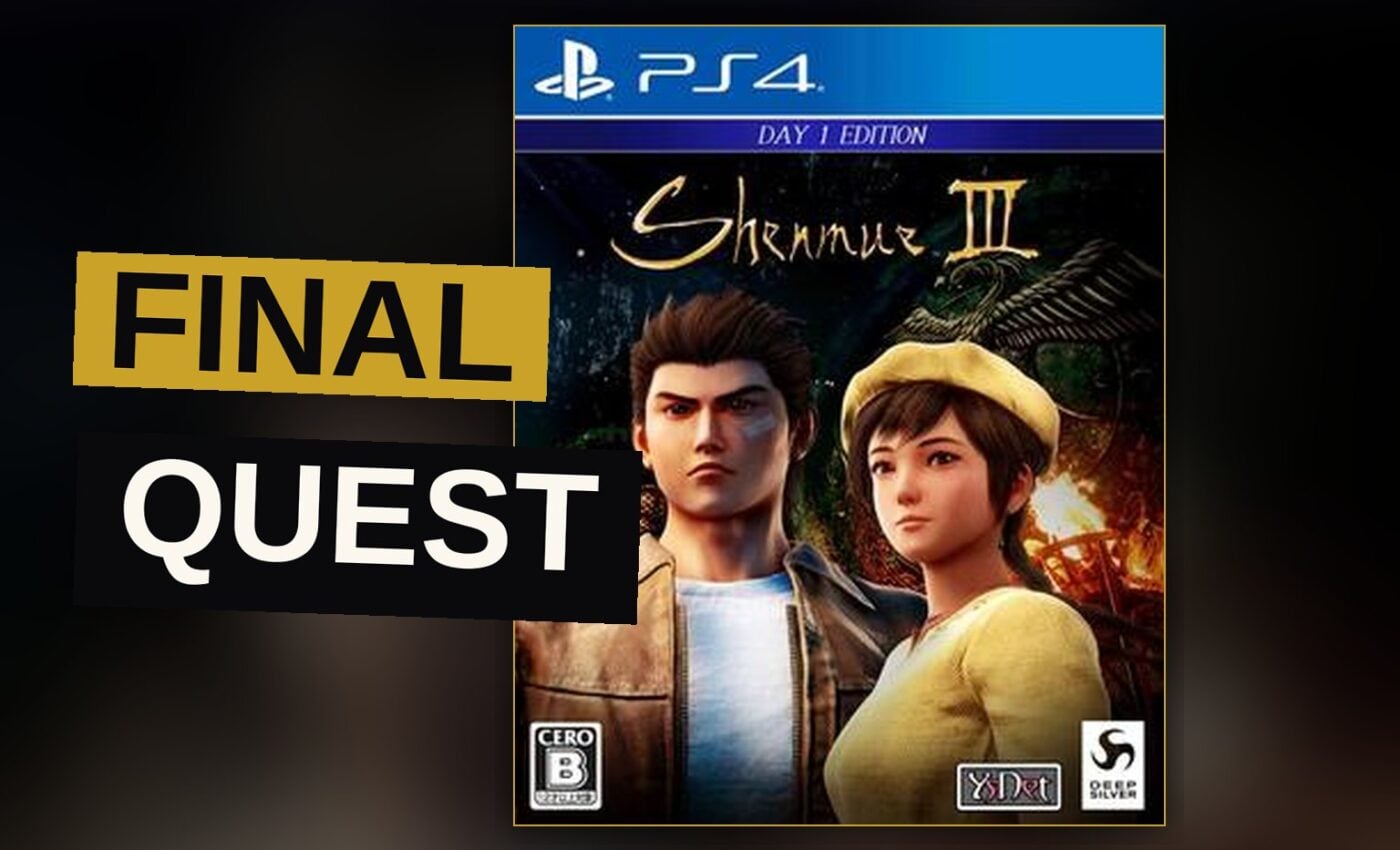
Shenmue III closes a saga that began in 1999, and the weight of that history shows in nearly everything it touches. This is a game about closure, and about the cost of getting there.
Trailer, via Shenmue 3 Official.
Ryo’s Search For His Father
The story follows Ryo Hazuki as he travels across China searching for his father, who has been kidnapped by a shadowy organization. Along the way, he fights, explores, and builds bonds with characters who populate the game’s towns. The search for his father drives the whole plot forward, and it gives the player a clear goal to hold onto.
Combat, Storytelling And Pace
Combat remains the game’s strongest feature. Ryo’s fighting style mixes strikes, kicks, and dodges, and mastering it takes real time and patience. Boss fights stand out for their pacing and design, though some filler battles drag on.
Outside combat, the game leans heavily on dialogue scenes and exploration of towns. Some of these stretches feel slow, especially during fetch quests and side conversations that add little to the main story. Progress often depends on walking through streets again and again, and the game rarely signals when a task has been completed.
Here is what stands out most across the three acts:
- Combat systems that reward practice
- Boss fights built with real care
- Towns full of detail, though some areas repeat themselves
- A story that reaches its ending
The game also includes a set of small activities that break up the main quest. These include arcade games, card games, and other diversions scattered across the towns. They vary in quality, with some offering a welcome break and others feeling like padding.
Sound, Look And Performance
The game runs on both PS4 and PC, and the visual style draws directly on the look of the original games. Character models are detailed, and the town scenes are packed with life. On PC, the game supports higher resolutions and frame rates, giving players on that platform a clearer picture than those on PS4.
Sound design carries a lot of the game’s mood. Music swells during boss fights and fades into gentle background hums in quieter moments. The voice acting varies, with some performances landing well and others sounding forced or thin.
Where It Falls Short
The game’s biggest weakness is pacing. Side content can pile up quickly, and the main story gets buried beneath it at times. Some sections ask players to return to the same town multiple times without clearly marking what has changed, leaving the sense of progress unclear.
Several elements hold the game back from greatness:
- A combat system that rewards skill but can feel punishing at first
- A main story that gets lost in long stretches of side content
- A search for his father that sometimes feels like a list of tasks rather than a journey
- A final act that rushes through key events after a long build-up
Final Word
Shenmue III succeeds best when it lets Ryo fight and move through its world. It struggles when it asks players to sit through long stretches of filler content. The wait behind the game gave the project a burden it could not fully shake off.
Judged on its own terms, Shenmue III delivers a satisfying conclusion to Ryo’s story. Judged against the expectations it carried, it falls short in places that matter.