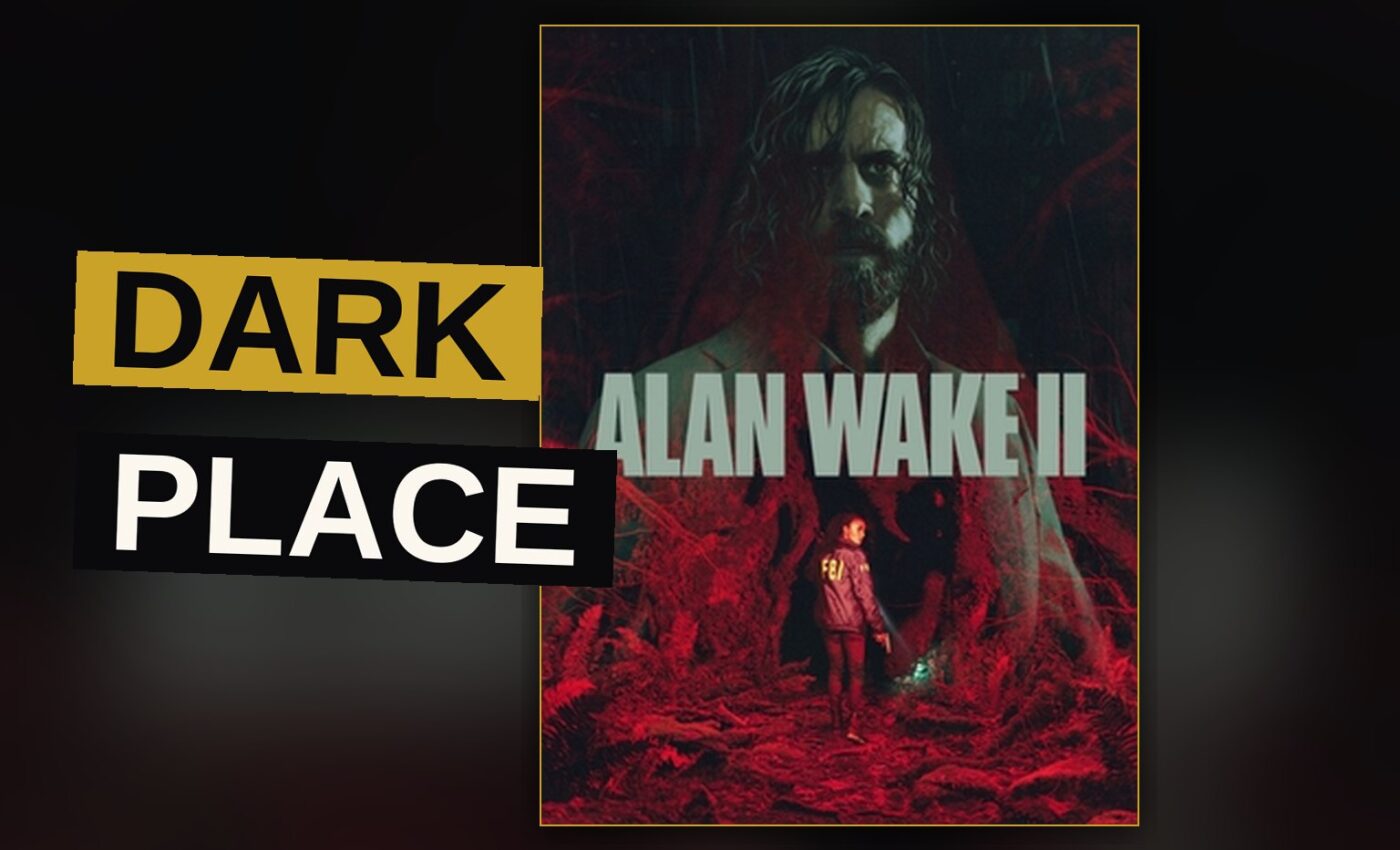
Alan Wake 2 was one of the most confident horror releases in recent memory. Remedy Entertainment’s sequel scores 9.2 out of 10, a mark that reflects both its ambition and its execution. The game came out in 2023 on PC, PS5 and Xbox Series X/S, and it still holds up as a look back at what the studio achieved.
Two Writers, One Nightmare
Alan Wake 2 splits its story between two lead characters: Alan Wake, still trapped inside the alternate dimension known as the Dark Place, and a government investigator looking into a string of ritual killings in the town of Bright Falls. The two threads run side by side, each with its own tone and pace.
The investigator’s sections play like a grounded detective story. Alan’s sections are stranger, built around the idea that he can change reality by walking through and altering scenes as he moves. Switching between the two never feels like a trick added for its own sake. It feels like the whole reason the game exists.
Bright Falls, Again
The town itself looks and sounds better than it ever has. Remedy leans on filmed scenes, recorded video and in-game musical numbers to break up the usual pattern of exploration, and the mix works far more often than not.
A short list of what stands out most:
- The layered sound design, which turns ordinary rooms into sources of dread
- The filmed segments, used only now and then to keep their effect strong
- Combat that rewards careful use of light and ammunition
- The way the investigator’s mind-space method sorts clues without breaking the mood
The Investigator’s Case
The federal investigator carries much of the story’s weight. Her search into the killings pulls her deeper into the strange undercurrent running beneath Bright Falls, and her sections lean on quiet, worrying moments as much as on combat.
Her partner in the case gives her steady, level-headed company as her discoveries grow stranger by the hour.
The Dark Place
Alan Wake’s chapters are the stranger half of the game. He moves through a warped version of New York City called the Dark Place, changing his surroundings by finding and using words tied to memory and to pages of a manuscript.
This system could have felt like a puzzle stuck onto a horror game with little care. Instead it supports the story’s central idea: that Alan is both author and character, caught inside a narrative he cannot fully control.
A story that keeps folding back on itself, and somehow never loses its shape.
Combat and Resources
Combat in Alan Wake 2 keeps the light-and-ammunition balance from the first game, but makes it better. Enemies take more thought to bring down. Ammunition stays scarce enough that fights carry real worry, even late in the game.
This is not a game built around constant fighting. Long stretches pass with no combat at all, and the game is stronger for it.
Silence, here, does real work.
Where It Falls Short
Alan Wake 2 is not perfect. Some chapters run longer than the story they tell requires, and the pace between the investigator’s and Alan’s sections sometimes stalls the momentum built up on the other side.
None of that lessens the larger achievement. The game’s two halves still feel like one connected story by the end, even when the pace between them wavers.
What Remains
Alan Wake 2 succeeds because it commits fully to its own strange logic, blending filmed scenes, music, horror and detective fiction into something that rarely feels like anything else on PC, PS5 or Xbox Series X/S. Remedy has built a game that trusts its audience to sit with slow dread, strange structure and a story that folds back on itself more than once.
Alan Wake 2 earns its 9.2 of 10.
Get the Notebook.
The day's best stories and every fresh verdict, in plain English, in your inbox by seven. One email a day, no more.