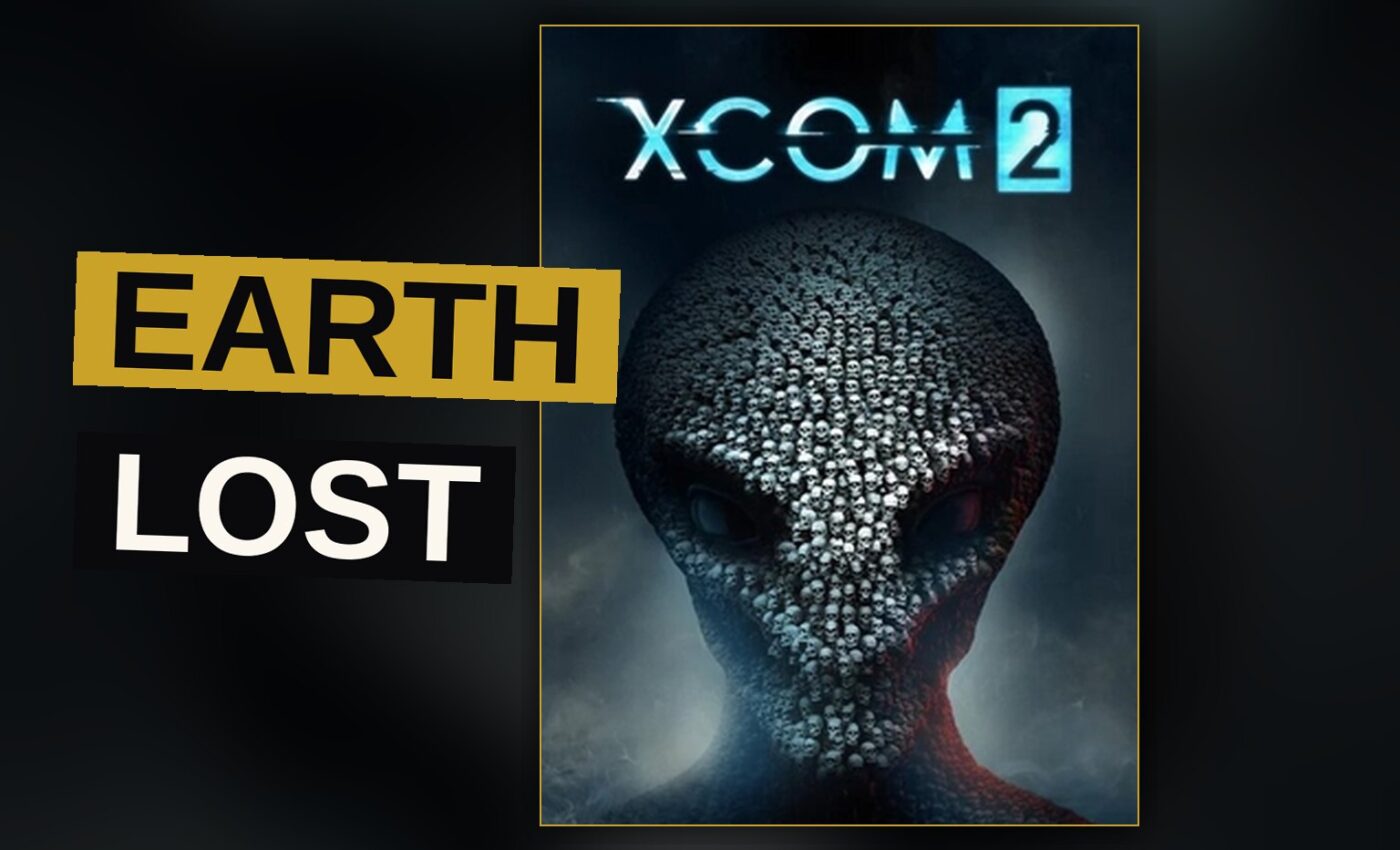
The aliens won. That’s the premise XCOM 2 opens with, and it changes everything about how the game plays. Firaxis Games built a sequel that punishes the player instead of coddling them, and the result is one of the tensest strategy games in years.
Earth lost the first war. Twenty years later, humanity fights from the shadows, running a guerrilla campaign against an occupying force called ADVENT. The player commands a mobile base, the Avenger, hopping between missions with a squad of soldiers who can die permanently and often do.
The Avenger’s Schedule
Missions run on a timer more often than not, which is the biggest change from the original game. Turns become a resource to spend, not a comfort to lean on.
| Mission Type | Typical Turn Limit | Stakes |
|---|---|---|
| Guerrilla Op | 4-6 turns | Steal intel, then extract |
| VIP Extraction | Variable | Escort target to the evac zone |
| Retaliation | Open | Save civilians from ADVENT |
| Blacksite Assault | Open | Destroy key alien tech |
That structure forces a different kind of decision-making. Standing still to plan the perfect shot can cost the whole mission. Soldiers get pinned down, objectives slip away, and the player learns to move fast and accept smaller odds.
Squads and Scars
Customization runs deep. Soldiers can be renamed, reshaped and dressed to look like specific people, and the game remembers their history. A veteran who survives ten missions starts to feel like someone, not a stat sheet.
Death still stings the way it did in the first game, maybe more. Losing a soldier who’s earned a nickname and a face over a dozen missions carries weight that random loot never will.
The strategic layer outside combat has grown too. The player manages a resistance network across the globe, choosing which regions to support, which technology to research, and which supply lines to protect. Every choice trades one advantage for another.
| Feature | 2012’s XCOM: Enemy Unknown | XCOM 2 |
|---|---|---|
| Turn limits | Rare | Common |
| Base | Fixed underground bunker | Mobile Avenger |
| Perspective | Defense | Insurgency |
| Soldier customization | Basic | Extensive |
| Difficulty curve | Steady | Steep, unforgiving |
That table understates how different the two games feel to play. XCOM 2 is meaner, faster, and less forgiving of caution.
Combat itself keeps the cover-based, turn-based system that made the original work, but new classes and enemy types keep it from going stale. The Ranger class, built for melee ambushes, rewards aggression in a way that older XCOM games punished. ADVENT troopers, Vipers and Sectoids all demand different tactics, and later fights bring genuinely nasty surprises.
Performance issues showed up at launch on PC, with load times and turn processing that dragged in the strategic layer. Console versions run a bit rougher still. None of that breaks the game, but it does test patience during long campaigns.
The difficulty spikes hard on higher settings. Some players will bounce off it entirely.
Still, the tension XCOM 2 builds is real. Every mission feels like it could fall apart in one bad turn, and that fear is the whole point. Firaxis didn’t make a comfortable game. They made a war that feels lost from the first minute, and asked the player to claw it back anyway.
XCOM 2 earns its place as one of the sharpest strategy games of its year. It’s demanding, occasionally rough around the edges, and consistently gripping.
Get the Notebook.
The day's best stories and every fresh verdict, in plain English, in your inbox by seven. One email a day, no more.