The Idol arrived in 2023 with a reputation already in tatters. Reports of a troubled production, a creative overhaul, and a director change preceded its debut on HBO. The series, created by Sam Levinson, Abel Tesfaye (The Weeknd), and Reza Fahim, promised a dark look at the music industry. What it delivered was a confused, often unpleasant mess that critics largely rejected. The IMDb user score sits at 4.4 out of 10. That number feels generous.
The plot follows Jocelyn, a pop star played by Lily-Rose Depp, trying to mount a comeback after a public breakdown. She meets Tedros, a self-help guru and nightclub impresario played by Tesfaye. He inserts himself into her life, her career, and her bed. The show wants to be a satire of fame, power, and exploitation. It ends up being a slow, repetitive exercise in style over sense.
Trailer, via HBO.
Jocelyn and Tedros
Jocelyn is supposed to be the biggest star in the world. The show tells us this constantly, but never shows us why. Her songs are bland, her performances are flat, and her personality is a void. Depp commits fully to the role, but she is given little to work with beyond trauma and nudity. The script asks her to cry, shake, and submit, but rarely to think or talk like a real person.
Tedros is the other half of the equation. He is a predator who hides his control behind the language of liberation. Tesfaye has charisma, but his performance is stiff. He delivers lines like a man reading a teleprompter at a cult meeting. The dynamic between them is meant to be toxic and magnetic. It is mostly just uncomfortable to watch, and not in a way that illuminates anything about abuse or the music business.
The supporting cast includes Hank Azaria, Jane Adams, and Dan Levy, all wasted in underwritten roles. The show introduces a team of managers, publicists, and hangers-on who orbit Jocelyn. They all look worried, but their concerns never cohere into a real story.
Amy Seimetz’s Exit
The making of The Idol was as messy as its final form. The series was originally directed by Amy Seimetz, who left the project. Levinson then reshaped the show, reportedly pushing it toward more explicit content. The result feels like two different shows stitched together poorly. The tone lurches from music video glamour to horror-adjacent dread, often within a single scene.
Tesfaye co-created the show and has said it is about the dark side of fame. In practice, it reads as a fantasy of power. The camera lingers on Depp in ways that feel exploitative rather than critical. The show wants to have it both ways: it wants to show degradation while pretending it is exposing it.
The dialogue is another casualty. Characters speak in pseudo-profound aphorisms that sound deep but mean nothing. Tedros tells Jocelyn she is a vessel for other people’s dreams. She replies that she wants to be the most famous woman in the world. These exchanges are meant to be revealing, but they just stall the plot.
“World Class Sinner”
For a show about pop music, the songs are forgettable. The Weeknd is a proven hitmaker, but the tracks here lack hooks. The soundtrack leans on moody synths and breathy vocals, but nothing sticks. Jocelyn’s big comeback single, “World Class Sinner,” is meant to be a scandalous banger. It plays more like a demo that never got finished.
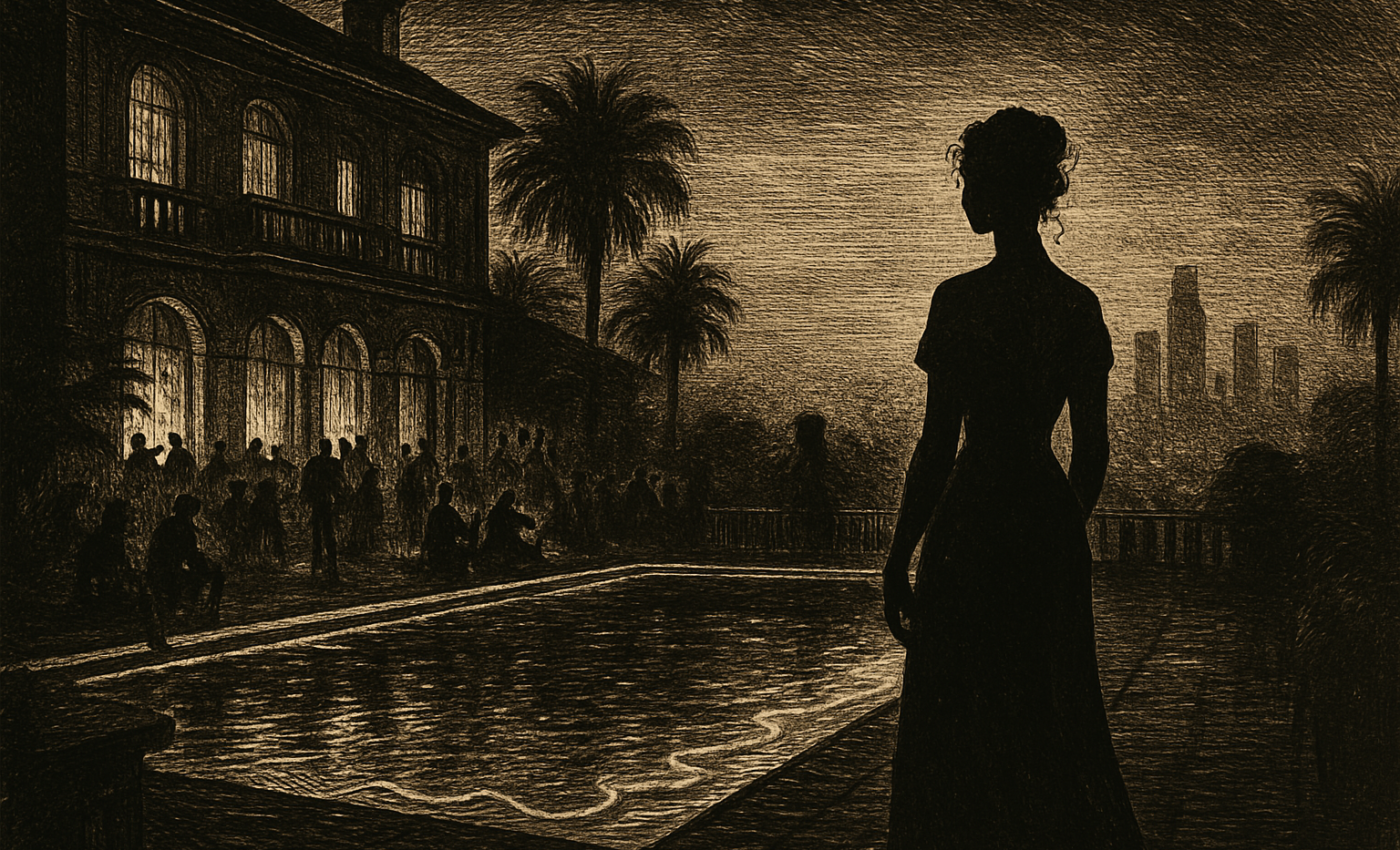
The show’s visual style is more distinctive. Cinematographer Marcell Rév gives the series a glossy, sun-bleached look. The mansions, pools, and stages are shot beautifully. But the polish only highlights the emptiness underneath.
There is a scene early on where Tedros watches Jocelyn dance in a club. The camera circles them like a shark. It is slick, but it tells you nothing about who they are or what they want.
The IMDb Score
Critics were not kind. The series holds a 4.4 out of 10 on IMDb, a rare low for a major HBO production. Reviews were broadly negative, with many calling the show a misfire and a waste of its talent. Some defended it as a bold provocation, but those voices were in the minority. The show was canceled after one season, which surprised no one.
The controversy around the production also hurt. Reports of a chaotic set and creative disputes made the final product feel like a compromise nobody wanted.
A Photo Shoot That Drags
The biggest failure is the handling of its subject. The music industry is full of real stories about abuse, control, and complicity. The Idol gestures at these themes but never commits to them. Tedros is so cartoonishly evil that he stops being scary. Jocelyn is so passive that her agency, or lack of it, becomes a plot hole.
The show also wastes its runtime on scenes that go nowhere. A long sequence involving a photo shoot and a massage goes on for what feels like an eternity. The pacing is glacial, and the payoff is nonexistent.
There is also a fundamental confusion about the audience. Fans of The Weeknd may enjoy his presence, but his performance is too flat to carry a series. Fans of prestige drama will find the writing too thin.
Depp’s Physicality
The only actor who emerges with credit is Depp. She throws herself into the role with a physicality that is hard to ignore. But even her work cannot save the material.
A Failure on Every Level
The Idol is a failure on nearly every level. It is poorly written, poorly paced, and poorly conceived. The production troubles show in the final cut, which feels unfinished and unsure of itself. The music is forgettable, the performances are uneven, and the themes are muddled.
Some will argue that the show is meant to be uncomfortable, that it is holding a mirror to a dark industry. That argument would hold more weight if the show had anything new to say. It does not.
There is no reason to watch this series. It is not so bad it is good, and it is not good enough to be worth your time.
The Idol scores 4.4 out of 10 on IMDb.
- Title: The Idol
- Creator: Sam Levinson, Abel Tesfaye, and Reza Fahim
- Network: HBO
- Episodes: 5
- Premiere: 2023
- IMDb score: 4.4 out of 10
- Status: Canceled after one season
Get the Notebook.
The day's best stories and every fresh verdict, in plain English, in your inbox by seven. One email a day, no more.