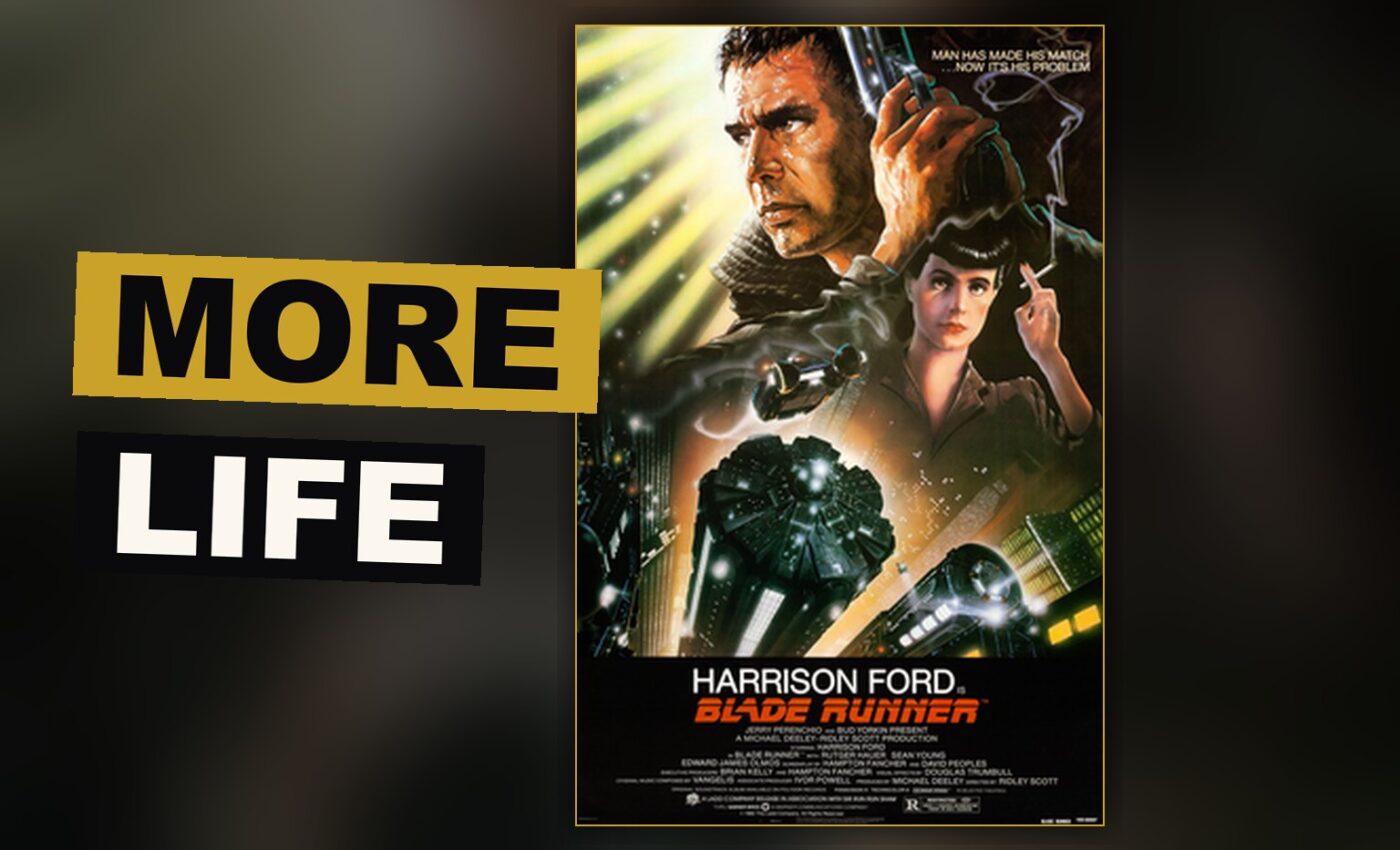
Blade Runner, Ridley Scott’s 1982 science fiction film, earns a score of 8.1 out of 10. The film follows Rick, a hunter of androids that have escaped their makers, through a wet, dark future city. It remains a picture of careful design that few films have equaled since.
The Look of the City
Scott builds a version of Los Angeles thick with dust, neon and shadow. Every frame carries weight. The design turns a detective story into something closer to a dream, and the city itself becomes a character.
The pace is measured by design. Some viewers find that patience rewarding; others find it a test. Either way, the film asks you to sit inside its mood rather than rush through its story.
The Hunter and the Hunted
The struggle between Rick and the android leader gives the film its clearest human stakes. The android’s search for more life against a fixed end gives Blade Runner its clearest note of feeling.
A killer becomes the most human figure in the whole story.
That is the odd center of the film. The android is a threat to be stopped, yet he is also the character whose fear and longing stay with the viewer longest.
Comparing the Two
| Character | Aim | End |
|---|---|---|
| Rick | Track down escaped androids | Left open by the film |
| The android leader | Seek more time to live | Dies after their meeting |
The table above is simple, but it holds the film’s whole point. One man hunts, the other man runs, and the line between them grows thin the longer the story goes on.
Music and Sound
The score threads through every scene without ever calling attention to itself. Synth tones sit under speech, under silence, under falling rain. The music builds the world of the film as much as the sets do.
The sound work deserves credit too. The hum of traffic, the fall of rain, the low tone of neon signs — all of it builds a sense of a city that never sleeps and never quite feels alive either.
Blade Runner did not please every audience on first showing. Critics were split, and earnings were modest. Over time, though, the film’s standing grew, and its look has shaped science fiction pictures for years since.
That change, from a mixed first reaction to a lasting name, is rare. Few films manage it.
Blade Runner is not built for quick pleasure. It moves at a measured pace and sits heavy with mood. But its questions about memory, self, and what makes a life stay with the viewer long after the screen goes dark. The film earns its place among the finest of its kind: 8.1 out of 10.