
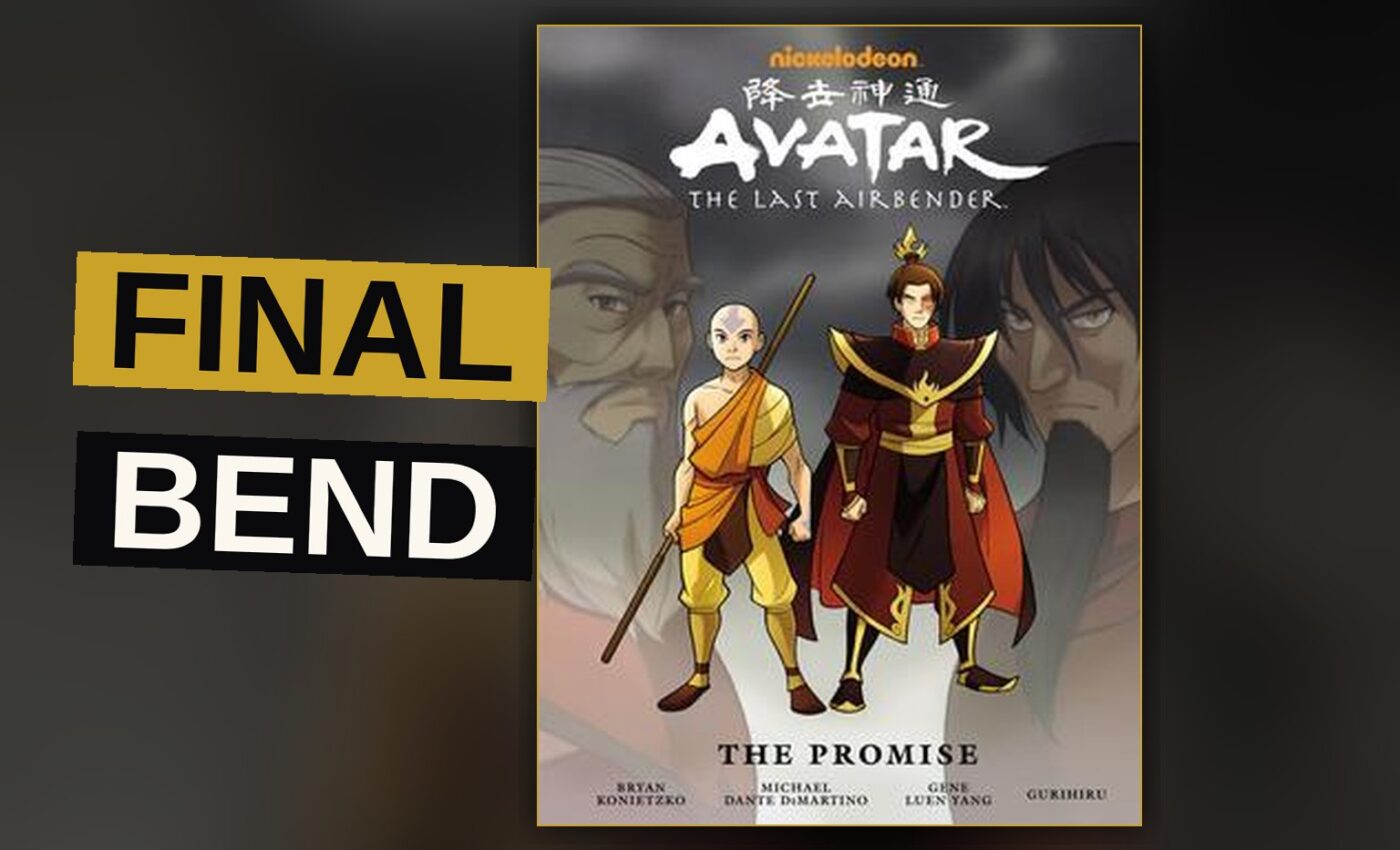
“Avatar: The Last Airbender” ran for three seasons on Nickelodeon, from February 2005 to July 2008. Sixty-one episodes. Created by Michael Dante DiMartino and Bryan Konietzko, it is an American animated fantasy action series produced by Nickelodeon Animation Studio. It is also known as Avatar: The Legend of Aang in some regions.
Aang in the Iceberg
The premise is enormous. A century before the series opens, twelve-year-old Aang — the Avatar, the only person who can bend all four elements — runs from his responsibilities, gets caught in a storm, and freezes himself and his sky bison Appa in an iceberg near the South Pole. While he sleeps, Fire Lord Sozin launches a world war and wipes out the Air Nomads, timing the genocide to a comet that gives firebenders tremendous power.
Aang wakes a hundred years later. The series follows his journey from there, alongside his friends Katara, Sokka, and Toph, as they try to end the Fire Nation’s war and defeat Fire Lord Ozai before he conquers the world.
That is the engine. Not a chosen one who saves everyone, but a child who ran away and has to live with what happened while he was gone. DiMartino and Konietzko built the show on that guilt.
Katara, Sokka, and the Southern Water Tribe
Two teenagers find him. Katara and Sokka, siblings from the Southern Water Tribe, pull Aang from the ice and become his first allies. Katara is a waterbender. Sokka has no bending at all.
The first season sends the three of them north to the Northern Water Tribe so Aang can learn waterbending. Prince Zuko, the banished son of Fire Lord Ozai, chases them the whole way with his uncle Iroh, hoping to capture the Avatar and restore his honor. Admiral Zhao chases them too, for Ozai’s favor. The season ends with Zhao killing the moon spirit, Princess Yue sacrificing her life to revive it, and Aang driving off the Fire Nation fleet.
Toph Beifong and the Earth Kingdom
Season two is where the show stops being good and becomes something else. Aang needs to learn earthbending, and his teacher is Toph Beifong — a blind earthbending prodigy. Michaela Jill Murphy voices her.
Zuko and Iroh, now refugees, settle in Ba Sing Se. Aang’s group goes there too, hoping the Earth King will back an attack on the Fire Nation during a solar eclipse, when firebenders lose their power. Azula, Zuko’s younger sister, gets there first. She infiltrates the city, triggers a coup d’état against the Earth King, and brings the capital under Fire Nation control.
Zuko’s Scar and the Long Redemption
Dante Basco plays Zuko, and Zuko is the best-written character on the show. He starts as the exiled prince, hunting Aang to restore his lost honor. His arc works because the show refuses to rush it. He earns the turn.
Azula is the counterweight. She is what Zuko would be if he had stopped questioning anything. The show gives her a breakdown instead of a defeat, which is braver than a sword fight.
Bending, Martial Arts, and the Avatar State
The mechanics hold up. Bending is telekinetic control of water, earth, fire, or air, and every gesture is drawn from Chinese martial arts. Waterbending flows. Earthbending roots. Firebending punches. Airbending dodges. You can read a fight without dialogue.
The Avatar State is the show’s best rule. In it, Aang gains the skills and knowledge of every past Avatar. He is at his most powerful. But if he dies in that state, the reincarnation cycle breaks and the Avatar ceases to exist. That is a real cost attached to the power, and the show uses it.
The world is Asian-inspired throughout — four nations named for the four classical elements, a reincarnation cycle that runs Fire, Air, Water, Earth, and a spirit world the Avatar mediates between. This is not decoration. It is the structure.
The Cast Carries It
Zach Tyler Eisen voices Aang. Mae Whitman voices Katara. Jack De Sena voices Sokka. Dee Bradley Baker voices both Appa and Momo, which is two entirely different performances with no words. The voice work is consistent across sixty-one episodes.
What Actually Matters Here
Ranked, the elements that make “Avatar: The Last Airbender” work:
- Zuko’s redemption arc, because it takes three seasons and costs him something.
- The Avatar State rule, because it makes power dangerous to the person holding it.
- Toph Beifong, because she is funnier and meaner than anyone else on screen.
- The bending choreography, because it turns fight scenes into character work.
- The genocide backstory, because the show treats it as grief, not as lore.
The published critical score is 10.0/10, with a 100% on Rotten Tomatoes. That number is not wrong, but it flattens the thing. What makes this show last is not that it is flawless. It is that it commits. It lets Zhao kill the moon spirit. It lets Azula take Ba Sing Se. It gives its villain a sister who is every bit as dangerous as he is.
Very few shows aimed at children — or at adults — do that. What exists is what DiMartino and Konietzko finished, and it holds.
10 of 10.
Get the Notebook.
The day's best stories and every fresh verdict, in plain English, in your inbox by seven. One email a day, no more.