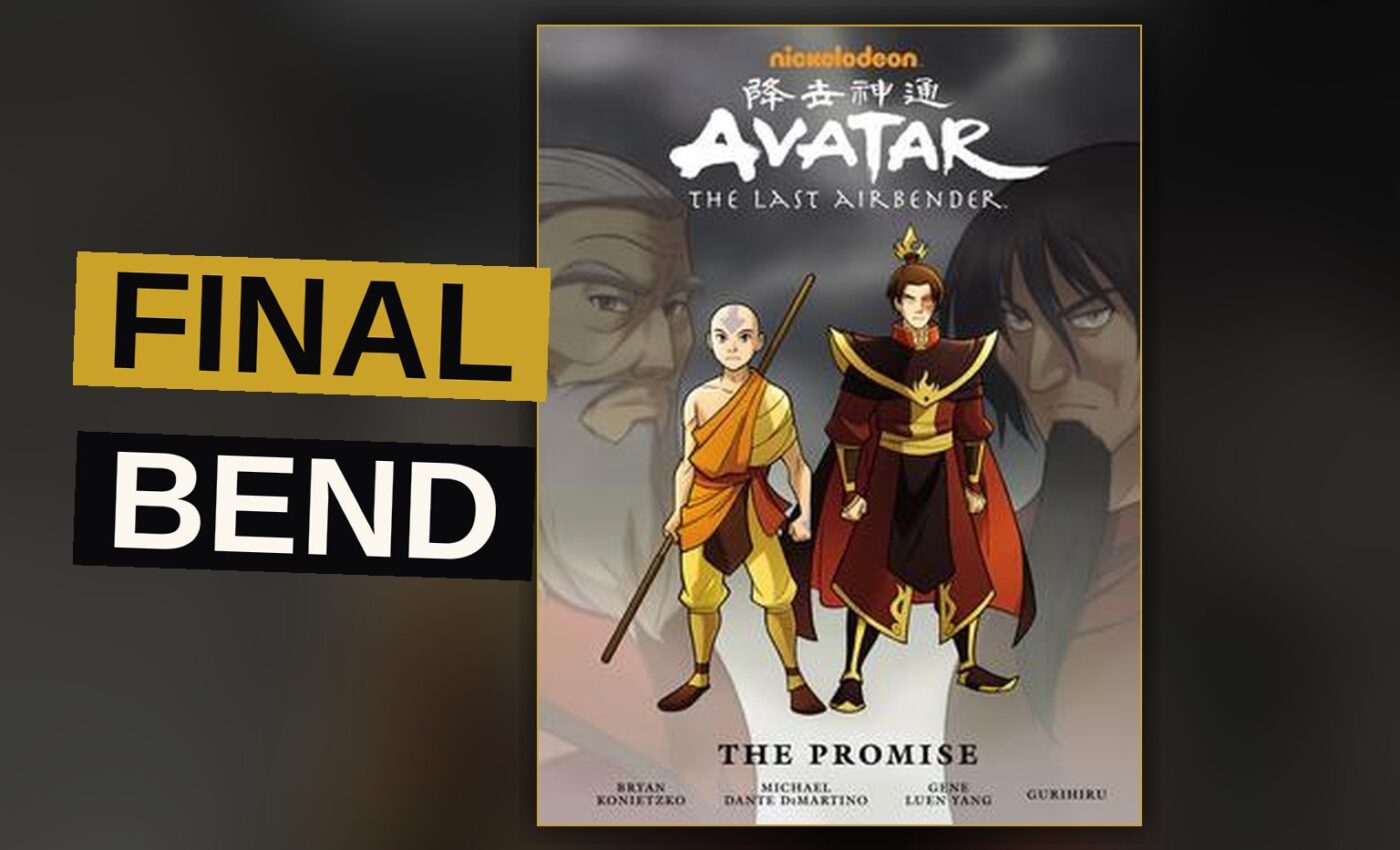
Avatar: The Last Airbender is a show about bending the elements, but it is really a show about growing up. The series follows Aang, a young airbender who is the last of his kind, as he learns to master water, earth, and fire while leading a resistance against the Fire Nation. It ran from 2005 to 2008, and it remains one of the most beloved animated series ever made.
The premise is simple. Aang was frozen in ice for a century, and now he must learn to bend all four elements to defeat the Fire Lord and save the world. Alongside him are Katara, a waterbender, and Sokka, her brother, who joins the group. The trio travel across the world, meeting allies and facing villains, in a story that spans three seasons.
Aang and His Elemental Journey
Aang is the heart of the show. He is funny, clumsy, and deeply compassionate, but he is also a powerful bender whose destiny weighs heavily on him. The writers handle his growth carefully. He starts as a child who has been frozen in ice, and by the end of the series, he has become a leader.
Katara is the emotional center. She is strong, intelligent, and protective, but she also carries guilt over her past. Sokka provides comic relief and grounding. He is skeptical of bending and often complains, but he is fiercely loyal and brave when it matters.
The World of Avatar
The world is divided into four nations, each ruled by a king or queen. The Earth Kingdom is a vast land with deserts, mountains, and cities. The Water Tribes are icy settlements along the poles. The Fire Nation is a volcanic empire. The Air Nomads were a peaceful people who were wiped out in the first season.
The show builds its world slowly. Each episode introduces new locations and cultures, and the animation is detailed and beautiful. The creators drew inspiration from Asian cultures, particularly Chinese and Japanese, but they created a distinct fantasy universe that feels lived-in.
The Writing
The writing is sharp and mature. The dialogue is witty, the character arcs are complex, and the themes are handled with care. The show deals with war, genocide, loyalty, and sacrifice without ever talking down to its audience.
The pacing is also excellent. The first season sets up the world and the characters, the second season raises the stakes, and the third season delivers a final act that is both thrilling and emotional. There are no filler episodes, and every scene moves the story forward.
The Animation
The animation is hand-drawn and fluid. The action sequences are spectacular, with bending effects that feel weighty and real. The backgrounds are lush and detailed, and the character designs are expressive.
The show uses color effectively. The Fire Nation is red and orange, the Earth Kingdom is green and brown, the Water Tribes are blue and white, and the Air Nomads are yellow and gold. These colors help define the moods of each location.
The Soundtrack
The music is composed by Jeremy Zuckerman, and it is a highlight of the series. The main theme is uplifting and memorable, and the score changes with the tone of each scene. The sound design is also excellent, with bending sounds that are distinct and immersive.
The voice acting is superb. Micky Rogers voices Aang, Jennie Yang voices Katara, and Dante Basco voices Sokka. Their performances are natural and committed, and they bring the characters to life.
The Legacy
Avatar: The Last Airbender changed the landscape of animation. It proved that children’s shows could be intelligent and emotionally resonant. It also paved the way for the sequel series, The Legend of Korra, which continued the world and expanded the mythology.
The show has a devoted fan base, and its influence can be seen in other animated series. Its success led to a live-action adaptation, which was released in 2026.
The Final Season
The third season is the strongest. It brings back the Fire Lord, Azula, and her siblings, and it raises the tension to a fever pitch. The final episodes are some of the best storytelling in the history of the medium.
The resolution is earned. The show does not cheat its characters, and the ending is both satisfying and sad. It leaves the door open for The Legend of Korra, but it stands on its own.
The Schedule
| Season | Episodes | Premiere |
|---|---|---|
| 1 | 20 | 2005 |
| 2 | 20 | 2006 |
| 3 | 14 | 2008 |
The Verdict
Avatar: The Last Airbender is a masterpiece. It is a show that rewards repeated viewings, and it has aged gracefully. It is not perfect, but it comes close.
“We did it.”
That is the message of the finale, and it sums up everything the show is about. Teamwork, perseverance, and hope. Those are the values that make Avatar: The Last Airbender great.
It is a show that teaches lessons without preaching. It is a show that entertains and inspires. It is a show that deserves its place in history.