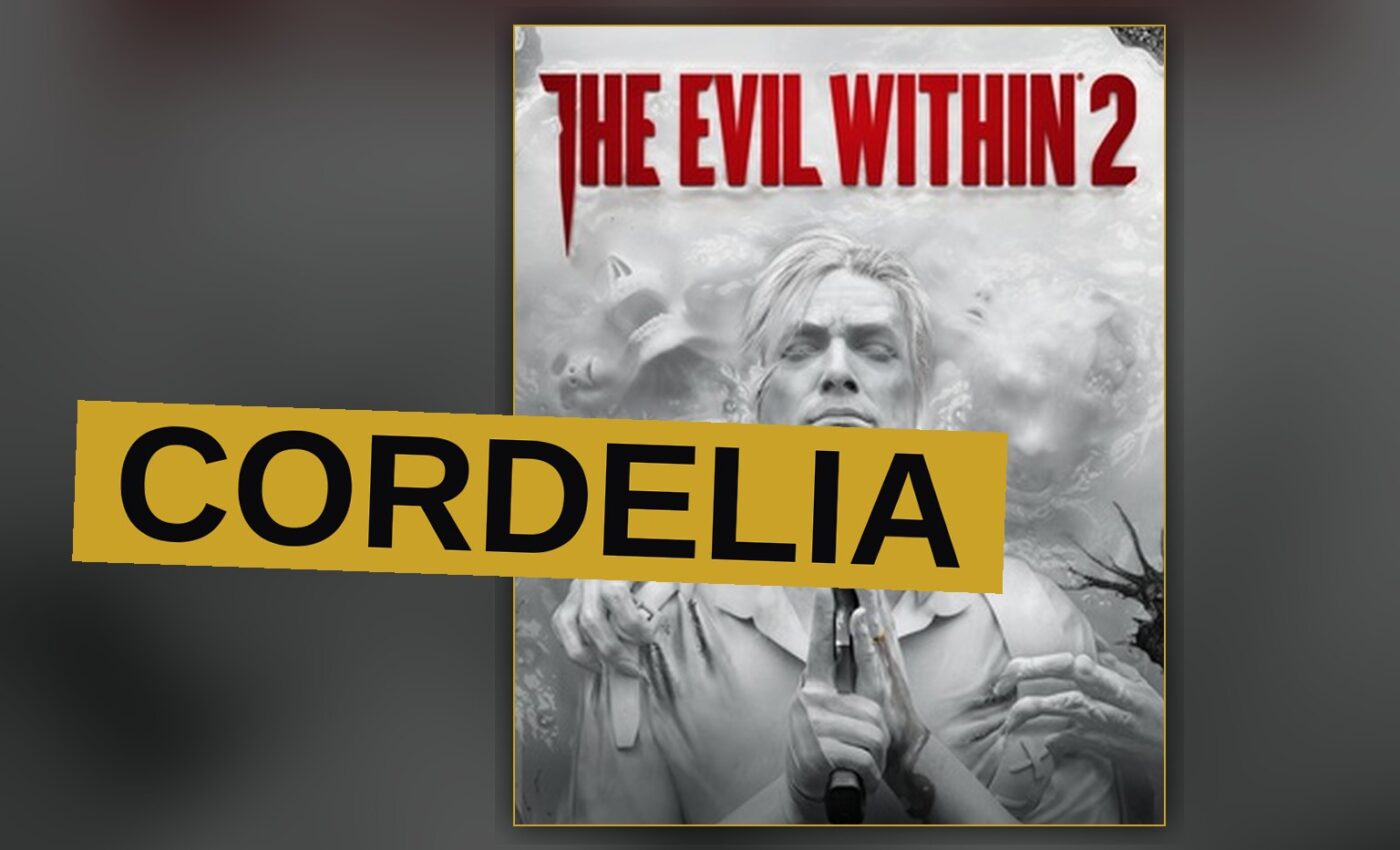
The Evil Within 2 drops you into Union, a city built on top of an ancient ruin, and asks you to find your daughter. It is a horror game that treats you like a detective first and a fighter second. That balance is the whole game.
Trailer, via IGDBcom.
Finding Cordelia
The search for Cordelia drives everything. You move through Union, a sprawling, decaying city, searching for clues and following a trail that leads deeper into the mystery of her disappearance. The writing leans on quiet moments and fragmented audio logs rather than direct speech, which keeps the game’s tone tense even when nothing frightening is happening on screen.
Combat exists, but it is not the main draw. Enemies are brutal, and the game does not hold back on death. But the best moments come from finding a clue, turning a corner, or hearing a distant voice that tells you something is wrong before you see it.
Union and the Ruins
Union itself is the real star. The city is a layered, dense space that rewards exploration. Side paths, hidden rooms, and dead ends fill the map, and the game encourages you to look around rather than rush forward. The ruins beneath Union add a second layer of geography, giving the game a verticality that most survival-horror titles avoid.
The lighting design deserves credit too. Shadows stretch across hallways, and the game uses light and darkness to create dread without relying on jump scares. A flashlight is almost always necessary, and the game respects that need by keeping dark spaces unpredictable.
Difficulty and Pace
The game ramps up in difficulty fast. Early sections ease you in, but later chapters expect you to know enemy patterns and resource management cold. Save points are sparse, which forces you to plan your approach carefully.
This is not a game you can play quickly. It demands patience, attention, and repeated attempts when things go wrong. Some players will find that punishing. Others will find it rewarding.
What Works Best
- The investigation of Cordelia’s disappearance, which gives the game a human center.
- The layered structure of Union and its ruins, which rewards wandering.
- The lighting and sound design, which create tension without cheap tricks.
- The pacing, which builds steadily toward a satisfying conclusion.
What holds the game back is repetition in enemy variety. Midway through, some encounters feel similar to earlier ones, which breaks the sense of discovery the early hours built. The game also asks for a lot of walking, and some stretches feel thin compared to the denser areas near the start.
Final Word
The Evil Within 2 succeeds because it trusts you to sit with fear rather than force it upon you. Its strengths — the investigation, the setting, the atmosphere — outweigh its weaker moments. The game asks a lot, but it delivers on its promises about tension and dread.