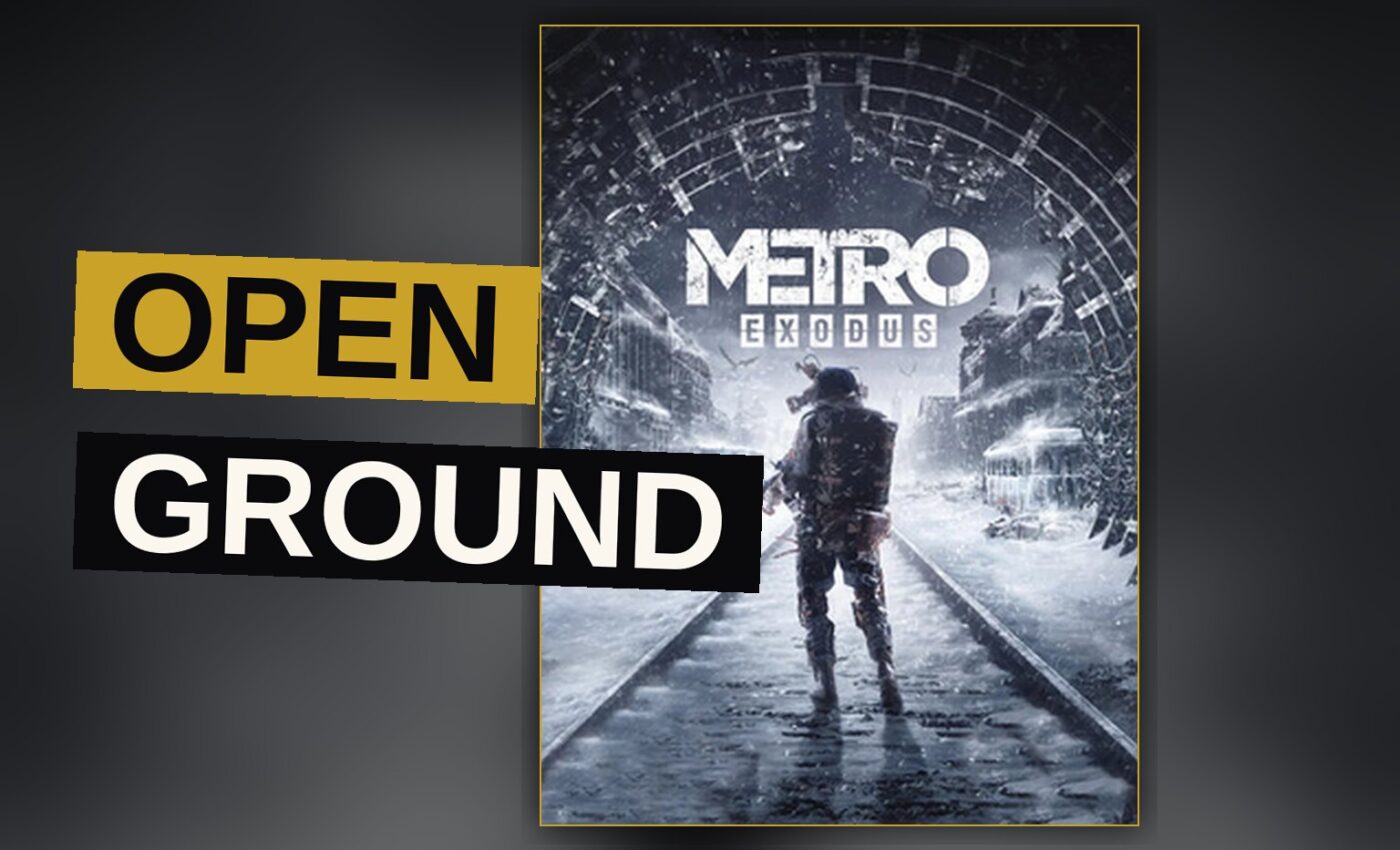
Metro Exodus moves the series from tight corridors to open ground, and it mostly earns that gamble. The game asks players to leave behind the familiar tunnels of the previous entries and set out across a ruined Russia, scavenging, hunting and surviving in a world gone wrong. The result is a quieter, slower game than its predecessors, but also a more patient one.
Trailer, via metrovideogame.
The Setting
The story follows Artyom as he joins a group of survivors aboard the Aurora, a train bound for the Arctic. The change of scenery is the biggest shift in the series, and it pays off. Snow, tundra and the ruins of Moscow give the game a sense of scale that the earlier entries could not manage.
Scavenging and Survival
Resource management carries Metro Exodus. Food, water and ammunition all run low, and finding supplies becomes a constant task. This system adds weight to every decision about where to explore and what to take. It can also slow the pace down, especially during long stretches between fights.
Combat
Combat leans on stealth and gunplay, and the mix works better than expected. Enemies react to sound, so moving quietly through a settlement can save a fight that would otherwise turn into a shootout. Melee weapons and traps round out the options, giving players more ways to deal with groups than simply shooting everything.
Story
The plot follows the group’s journey north, with stops in settlements that offer quiet moments between firefights. Characters grow, and the writing gives them room to breathe. That patience is a double-edged sword, since some players will want more action and less talk.
Technical Issues
The game ran smoothly on PC, PS4 and Xbox One, though load times on the latter two were noticeable during fast travel. On Stadia and Linux, performance held steady without major hitches. A few bugs showed up during extended play, but none broke the experience.
Sound and Look
The score matches the setting, shifting from tense solo passages to sweeping orchestral pieces when the Aurora moves across open ground. Voice acting lands well across the cast. The visuals hold up, with snow and dust effects doing most of the heavy lifting.
What Works Best
- The setting, which gives the series room to expand beyond its usual tunnels.
- The scavenging and resource systems, which add real stakes to exploration.
- Combat variety, mixing stealth, melee and ranged encounters.
- Character writing that lets the group feel lived-in.
What Falls Short
- Slow pacing during middle chapters, where the game settles into a routine of travel and combat.
- Some missions feel thin, offering little beyond fighting waves of enemies.
- Load times on PS4 and Xbox One, which break the flow of play.
Hard Numbers
- Platforms: PC, PS4, Xbox One, Stadia, Linux
- Developer: 4A Games
- Publisher: Deep Silver
- Release: 2019
- Critical Score: 8.3/10
Metro Exodus succeeds because it commits fully to its setting and its systems, even when that means sacrificing the constant tension of the earlier games. Players who want a bigger, slower sandbox will find plenty to enjoy. Those who preferred the tight, claustrophobic spaces of the past may miss them.
The game’s best moments come when the player is forced to stop, look around, and plan the next step. The worst moments come when the game leans too heavily on repetition.
Overall, Metro Exodus earns its place as a strong entry in the series. It does not top the earlier games, but it stands on its own.
Get the Notebook.
The day's best stories and every fresh verdict, in plain English, in your inbox by seven. One email a day, no more.