
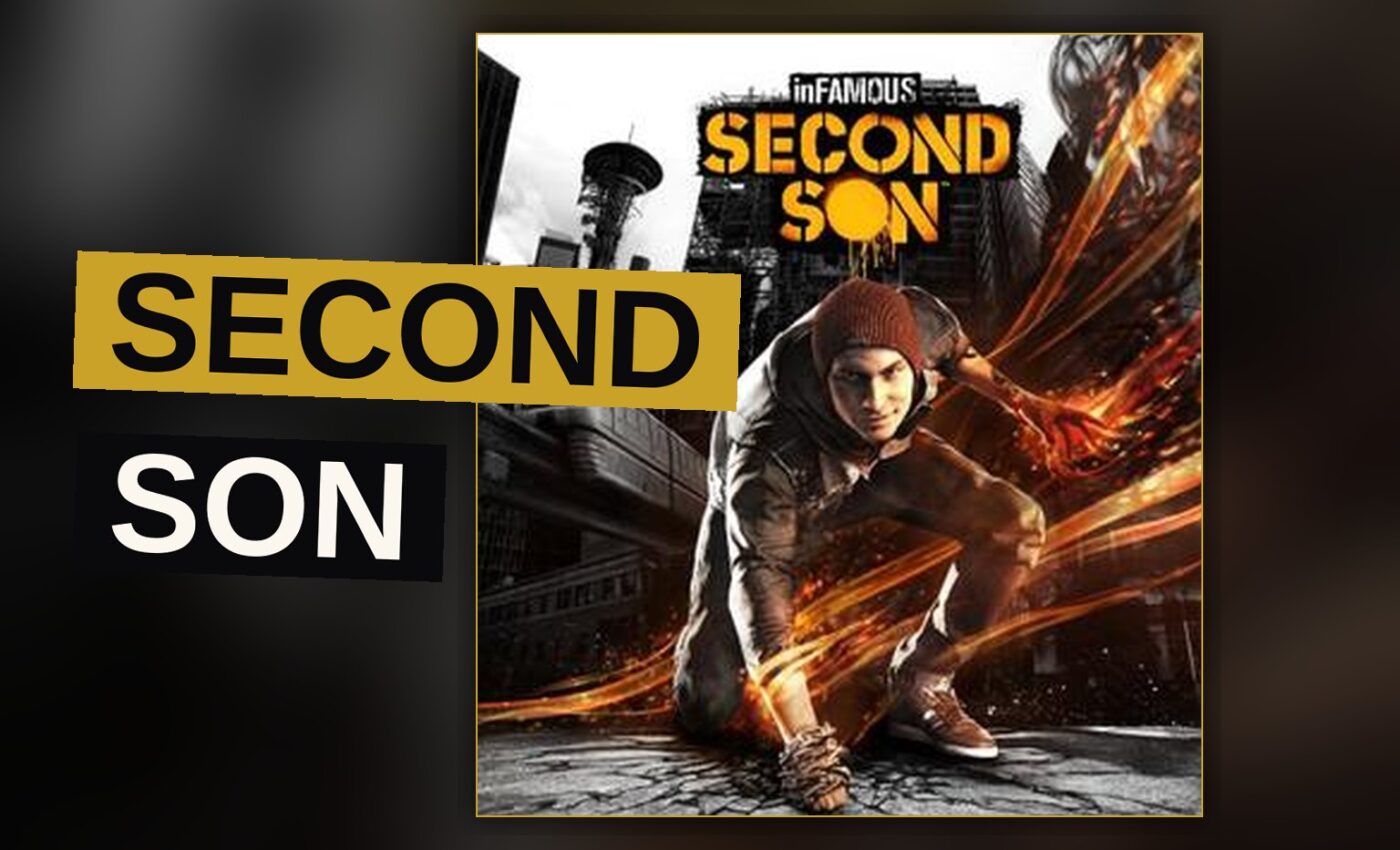
Delsin Rowe can pull smoke from a burning car and throw it back as a missile. He can dash up a Seattle high-rise on a trail of neon. He can do all of this on a PlayStation 4, and for the first few hours of Infamous: Second Son, that is more than enough.
Sucker Punch Productions built its name on the Infamous series, and Second Son is the third installment. It launched in 2014 as a PlayStation 4 exclusive, published by Sony Computer Entertainment, and it serves as a standalone sequel to 2011’s Infamous 2. The studio has called it a “fresh start” for the series, largely because it trades the old protagonist for a new one. That trade is the smartest thing the game does.
Trailer, via PlayStation.
Delsin Rowe and the Akomish Reservation
The setup is lean and it moves fast. Second Son takes place in 2016, seven years after Cole MacGrath sacrificed himself in Infamous 2 to cure humanity of a plague and destroy The Beast. The Ray Field Inhibitor killed Cole and most other Conduits. The U.S. government responded by creating the Department of Unified Protection, which hunts the survivors and brands them “Bioterrorists.”
Delsin is a 24-year-old graffiti artist, voiced by Troy Baker, and the local delinquent of the Akomish reservation on the shore of Salmon Bay, Washington. His brother Reggie, played by Travis Willingham, is the local sheriff and keeps arresting him for vandalism. Then a military truck carrying three Conduit prisoners crashes on the reservation. Delsin pulls one of them, Hank, from the wreckage and absorbs his smoke powers by accident.
That accident is the engine of the whole game. Brooke Augustine, the D.U.P. director with power over concrete and a voice from Christine Dunford, tortures the tribe and leaves concrete shards buried in their bodies. Delsin decides the only fix is to take her power for himself. Reggie comes along to keep an eye on him.
Smoke, Neon, Video
The power sets are the best argument for Infamous: Second Son, and the game knows it. Delsin is a Conduit with Power Mimicry, so he copies abilities from other Conduits on contact. The game hands him three:
- Smoke, taken from Hank Daughtry, a convict voiced by David Stanbra
- Neon, taken from Abigail “Fetch” Walker, an ex-junkie voiced by Laura Bailey who hunts drug dealers
- Video, taken from Eugene Sims, a reclusive video game addict voiced by Alex Walsh
Each set changes how Delsin fights and how he moves. Smoke is heavy and blunt. Neon turns traversal into a sprint up the side of a building. Video lets him fire digital projectiles and blink through the city. Using any of it drains a meter on the HUD, refilled by drawing from sources like smoke off a wrecked vehicle. To unlock a new set’s basics, Delsin has to destroy D.U.P. Core Relays. He upgrades further with Blast Shards scattered across Seattle.
Two of those sets carry the game. Neon is the most fun to move with, and Video is the most interesting to fight with. Smoke, the one you start with, is the weakest of the three, which is a strange choice for a first impression.
A Locked-Down Seattle and a Binary Morality
Seattle is under strict martial law, and the D.U.P. owns the skyline. Delsin parkours up vertical surfaces, dodges patrols, and clears the city district by district. The combat holds up because the powers are genuinely different from each other.
The morality system does not hold up. Delsin meets Fetch and Eugene, absorbs their powers, then defends them from Reggie, who initially calls them “freaks.” The player can redeem or corrupt each of them. That choice sounds meaningful and is not.
The system is binary in a way that felt dated even in 2014, and it never asks a hard question. Good Delsin is a hero. Evil Delsin is a menace. There is no third option. The side missions repeat themselves, and the story lands softer than the two games before it. A new protagonist was the right call; the script around him was not.
What Infamous: Second Son Gets Right
Ranked by what actually matters here, the game’s strengths fall in a clear order:
- The power sets, which make combat and traversal feel different every time Delsin copies something new
- The open-world Seattle, which gives those powers a real playground
- Delsin himself, a better lead than the series had before
- The morality system, which drags everything down
Infamous: Second Son is a good game with one great idea and one stale one. The great idea is that a superhero should feel like a collection of borrowed tools, each with its own weight and rhythm. The stale one is that morality is a slider between saint and monster.
Sucker Punch built this as a fresh start, and it mostly is. The combat, the visuals and the design carry it. The story and the choice system are what keep it from being more than a strong launch title. Delsin Rowe deserved a sharper script.
Get the Notebook.
The day's best stories and every fresh verdict, in plain English, in your inbox by seven. One email a day, no more.


