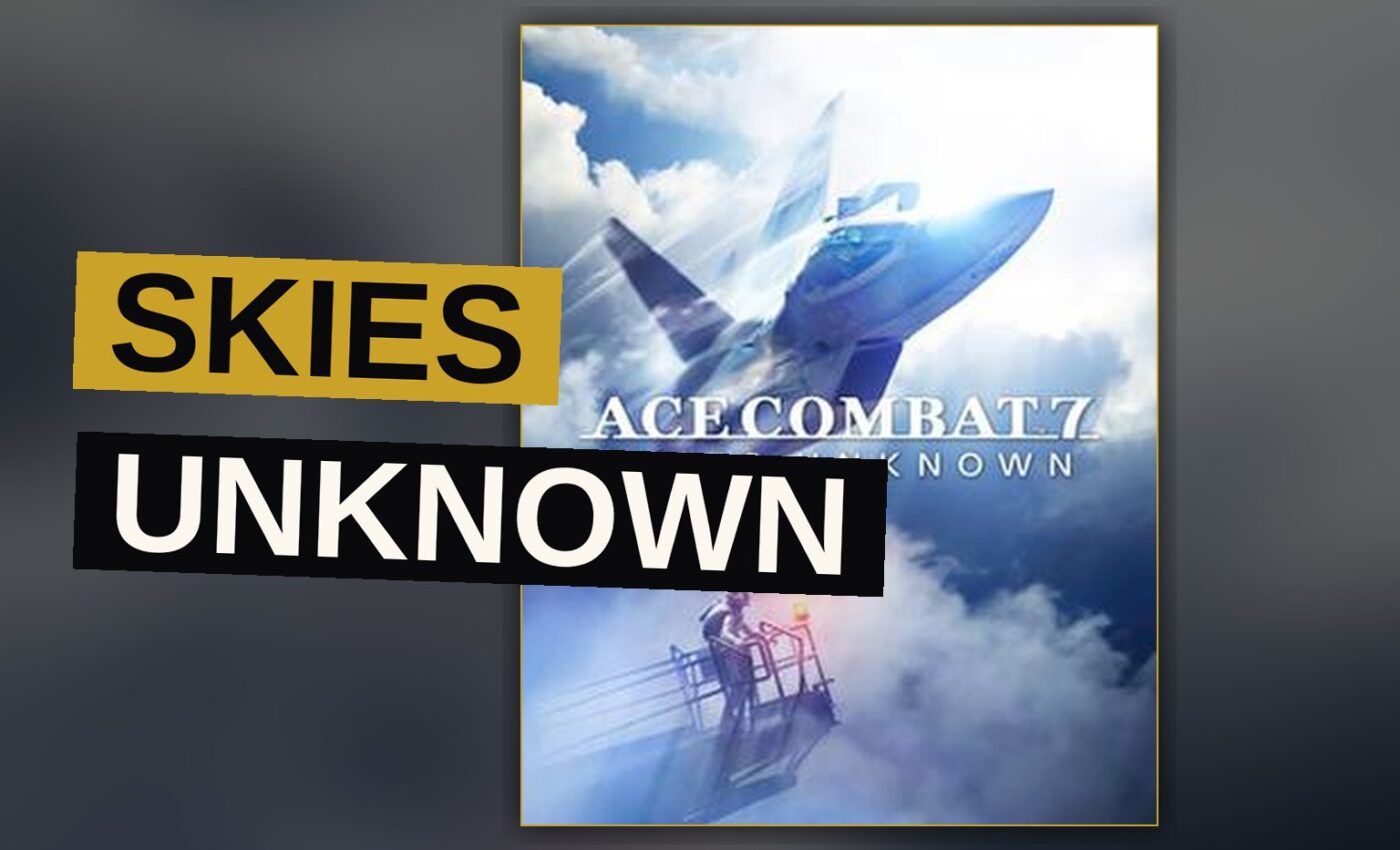
Ace Combat 7: Skies Unknown lands on PS4, PSVR, PC, and Xbox One as the series’ first numbered entry in nearly a decade, and it carries a heavy burden. Players have waited a long time for a new Ace Combat, and the game leans hard on spectacle to make that wait feel worthwhile.
The campaign drops you into a war between two nations, and it wants you to feel the stakes of aerial combat. That means long stretches of flying over vast, detailed skies, dodging missiles while weaving through clouds and enemy fire. The game delivers on that promise more often than it fails, even when the pace slows.
Trailer, via IGDBcom.
Aerial Combat That Still Stings
The core loop remains sharp. You fly a fighter jet, lock onto targets, and unleash a barrage of weapons. The game rewards patience and punishes hesitation. Enemies react to your position, and a well-timed maneuver can turn a losing fight into an easy victory.
The visuals help sell the tension. Skies Unknown runs at a high frame rate across most platforms, and the PSVR version adds a layer of immersion that the non-VR versions lack. Flying through a canyon at high speed while dodging incoming fire feels genuinely thrilling, even if the action on screen sometimes gets busy to the point of chaos.
“The campaign drops you into a war between two nations.”
Story Campaign Weak Points
The campaign’s script is the weakest part of the package. Characters speak in stilted dialogue, and the plot leans on familiar war-torn tropes without landing many emotional punches. Missions tend to repeat the same mission structure: fly to a target, destroy it, return to base.
There are moments of genuine tension, particularly during the final act, but the middle chapters drag. Side missions offer some variety, letting you chase down enemy aircraft in open skies, but they rarely add much to the story beyond a brief respite.
Multiplayer and Other Modes
The multiplayer modes are a mixed bag. Dogfight offers a straightforward competitive arena, but it lacks the depth found in earlier Ace Combat entries. Squadron Assault and Domination add some team-based objectives, but neither shakes up the formula enough to justify extended playtime.
The Arcade mode is a better use of time. It strips away the story and lets you fly through a series of escalating challenges, rewarding skill with harder enemies and faster jets. It’s the closest the game comes to pure arcade fun, and it holds up far better than the main campaign.
Technical Rough Edges
The game isn’t without technical issues. On PC, performance can dip during intense battles, and the frame rate doesn’t always hold steady. The PSVR version requires a strong PC to run smoothly, and some players have reported motion sickness during extended play sessions.
Loading times between missions can also be lengthy, which breaks the momentum of a good run. These problems aren’t fatal, but they do chip away at the experience over a long session.
Sound Design and Presentation
The audio design deserves praise. Jet engines roar, explosions crackle, and the sound of gunfire fills the air. The music swells during key moments, though it sometimes overpowers the action below it. The presentation is polished, with cutscenes that look sharp even when the story beneath them falls flat.
Here’s a rough breakdown of how the various modes stack up:
| Mode | Focus | Best For |
|---|---|---|
| Campaign | Story-driven missions | Completionists |
| Arcade | Pure skill tests | Skill-focused players |
| Dogfight | Competitive arenas | Casual players |
| Squadron Assault | Team objectives | Group play |
| Domination | Objectives | Group play |
What Works Best
The best moments in Ace Combat 7: Skies Unknown come when the game trusts the player to enjoy the flying itself. Long, uninterrupted flights over open skies, chasing down a single enemy aircraft, or pulling off a daring maneuver in the heat of battle — these are the experiences that define the series at its best.
The campaign’s strengths are its set pieces. A mission involving a massive enemy ship, a mission through a storm, and a final confrontation that pushes the graphics to their limits all leave lasting impressions. These sequences justify the game’s existence, even when the story around them falters.
Ace Combat 7: Skies Unknown succeeds when it commits to the joy of flight. It struggles when it tries to be something more. The multiplayer modes are serviceable, the campaign is forgettable, and the technical rough edges keep it from greatness.
It’s a solid entry in a storied series, and it sets a promising course for the future of Ace Combat. For longtime fans, the wait was worth it — just not for the reasons they might have expected.
Get the Notebook.
The day's best stories and every fresh verdict, in plain English, in your inbox by seven. One email a day, no more.