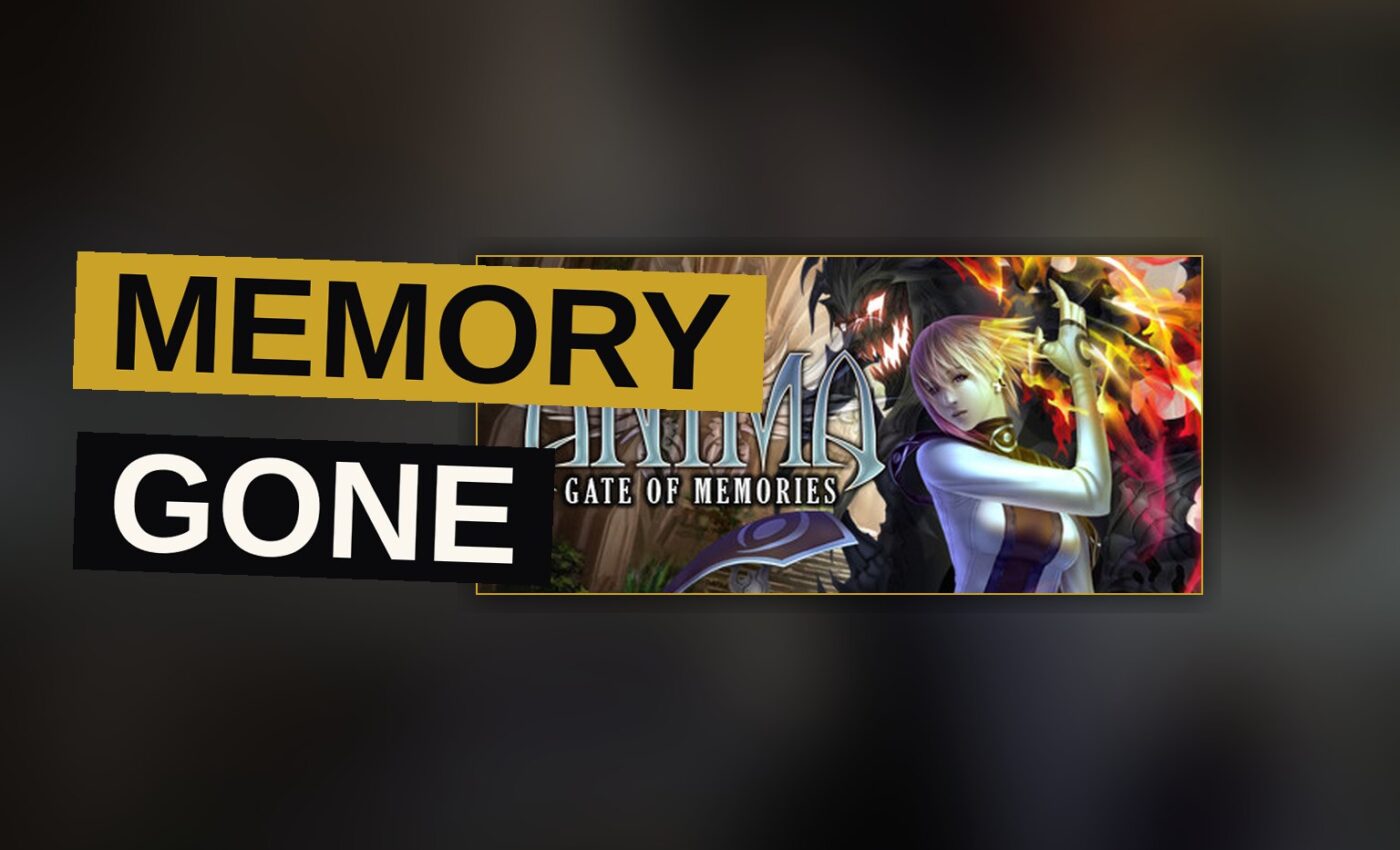
Anima: Gate of Memories asks players to walk through a world full of memory and forgetfulness, and it does not always know what it wants to say about either. The game, released for PS4, PC, Mac and Linux in 2016, sets out to build a puzzle box around the idea of remembering and losing, but the design keeps changing shape under the surface, and the result is a game that feels less like a single vision and more like a series of smaller ideas joined together without much glue.
Trailer, via AnimaProjectStudio.
The Setup
The premise is simple enough on paper. Players guide a young girl named Anna through a world built from her memories, each area standing for a different period of her life. The puzzles are meant to draw players back into those memories, finding objects and solving problems that unlock new paths forward. That idea is promising. The execution is where the trouble starts.
Memory and Forgetfulness
Anima: Gate of Memories wants to talk about memory, but it keeps changing what kind of conversation it is having. Some levels ask players to look closely at small details, picking up objects that connect to past scenes. Other levels turn into straight mechanical puzzles, asking for patience rather than curiosity. The change in tone between these two modes is jarring, and it is rarely smoothed over.
The Girl Named Anna
Anna herself is the heart of the game, and she carries the emotional weight that the puzzles sometimes fail to deliver. Her memories are sad, often painful, and the game leans on them to hold attention when the puzzles themselves lose it. That balance works in short stretches but falls apart across a whole playthrough.
The Puzzles Themselves
The puzzles in Anima: Gate of Memories fall into a few broad kinds, and the game moves between them without warning:
- Mechanical puzzles built around moving pieces and timing
- Memory puzzles that ask players to find small objects tied to past scenes
- Puzzles that test logic and deduction
- Simple navigation puzzles that reward patience over skill
Each of these types has its own strengths. None of them are presented with enough care to justify the time they take.
Difficulty and Length
Some parts of Anima: Gate of Memories move along quickly and feel satisfying. Others drag badly, forcing players through long stretches of searching or repeated attempts. The difficulty rises and falls without warning, and there is little sign of the developers planning for that change.
| Type | Strength | Weakness |
|---|---|---|
| Memory puzzles | Emotional pull | Uneven pacing |
| Mechanical puzzles | Satisfying completion | Tedious repetition |
| Logic puzzles | Rewarding deduction | Poor signposting |
Sound and Look
The presentation is the game’s strongest point. The art style is distinct, with a hand-drawn quality that fits the memory theme well. The music matches the tone of each scene, giving the quieter moments some real weight. None of this saves the weak pacing, but it does make the failures easier to sit through.
What Works
There are moments in Anima: Gate of Memories that land well, and they are worth noting even in a mixed review. The best sections happen when the memory theme and the mechanical puzzles meet on equal ground, giving players both a reason to care and a challenge worth solving. Those moments are rare, but they exist.
What Falls Short
The biggest problem is the lack of a steady pace. Levels that start strong often ease off, leaving players wandering through rooms that once felt urgent. The game’s ambition is clear — it wants to say something about memory and loss — but the design does not always serve that ambition.
Final Score
Anima: Gate of Memories is a game of highs and lows, with its strongest ideas sitting side by side with its weakest. The memory theme gives it a hook that few games attempt, but the puzzle design never fully commits to it. The result is a game that feels unfinished, full of promise that never quite comes together.