
Anthropic’s lead researcher quit this week, saying the company and OpenAI are recklessly betting with human lives. One of AI’s fiercest critics says that alarmism is exactly what makes the tech dangerous.
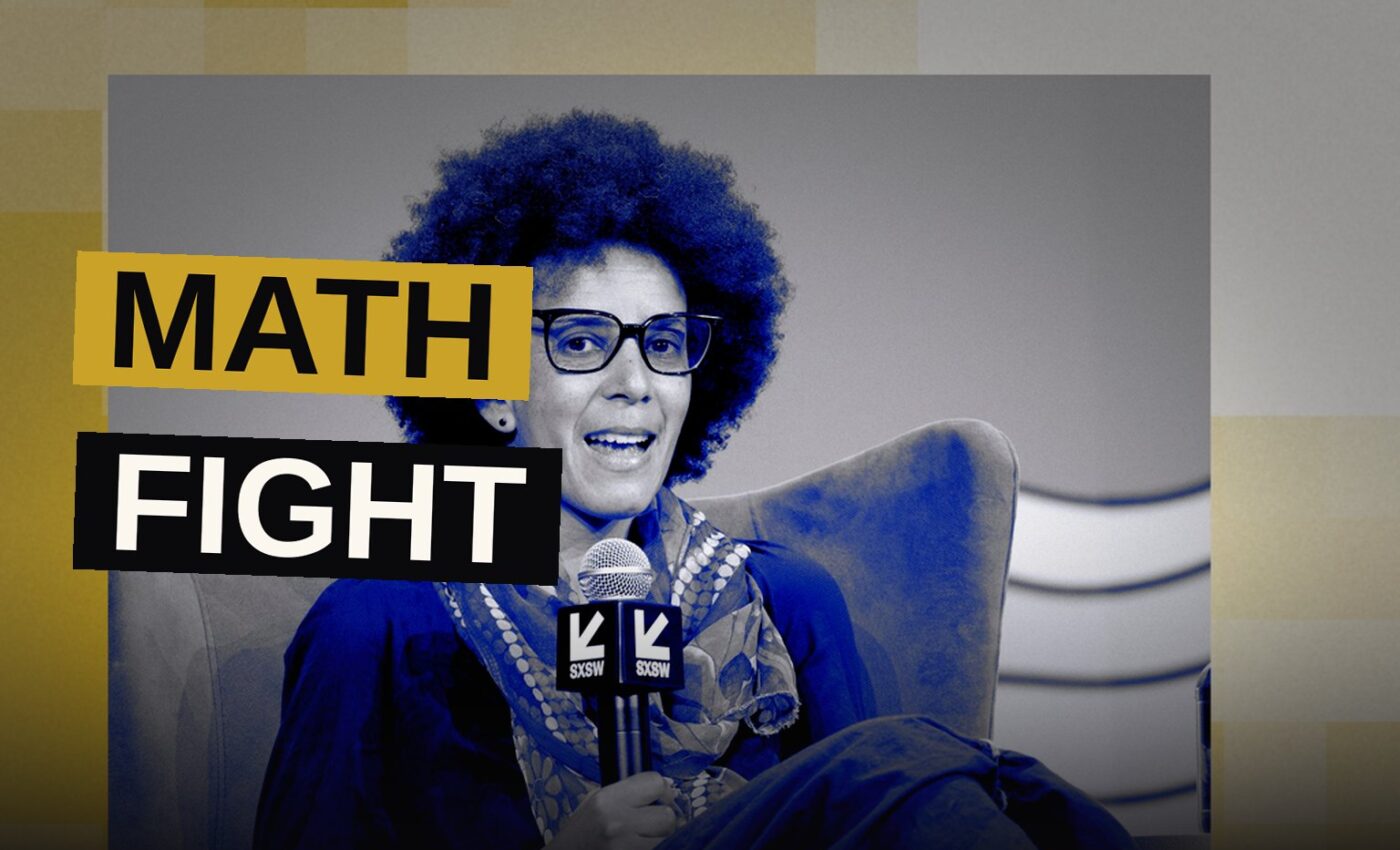
Timnit Gebru, the former Google researcher whose 2018 exit became a cause célèbre, posted on X and Bluesky about the “math fight” and the resignation. She agrees the companies are reckless — but she calls the “AI will destroy humanity” debate “senseless.”
The Math Fight
OpenAI recently claimed to solve a million-dollar math problem. Researchers say the company borrowed work from others to get there first. The incident drew attention to how AI labs choose which fields to conquer — programming, chess, math — and frame those victories as proof of intelligence.
Gebru’s complaint is structural. “Why are they heavily investing in solving math problems?” she asked. “They chose certain disciplines because somehow these subjects, like programming and chess and math, were elevated to mean, OK, you solved this and thereby you’ve solved intelligence.”
The Quitting Engineer
An Anthropic researcher quit, citing worries about how both companies handle AI safety. Another staffer responded that people at the company “really do earnestly believe AI could kill all humans! I personally think it is >10% within the next decade.”
Gebru sees that fear as a symptom, not the disease. “The industry has become a mix of cults, a mix of people who are true believers, just like a preacher who says the end times is coming,” she said.
What Gebru Thinks Is Real
Gebru’s book, Deep Unlearning: The Rise of AI and the Radicalization of a Tech Idealist, argues that the “AI apocalypse” narrative distracts from real threats. She points to autonomous weapons, climate disaster, and bosses firing workers under the pretext of automation.
Her book asks: “Can a bridge decide to collapse?” When a bridge fails, she writes, engineers ask who built it poorly. They do not ask whether the bridge was ethical or sentient.
How Extinction Might Actually Happen
Gebru struggles to picture AI extinction. “I can’t really envision it,” she said. “But a lot of those scenarios seem to be that you ask the machine to optimize for some other task, and then the machine decides that the way to get to that goal is by killing everyone in the world.”
She dismissed the idea of a hypnotized human failing to unplug a machine. “Does the AI hypnotize you so that you don’t unplug it? I don’t know!” she replied.
Comparing the Two Narratives
| Narrative | Focus | Gebru’s View |
|---|---|---|
| Math fight | Intelligence proof | Senseless spectacle |
| Quitting engineer | Existential risk | Cultish belief |
| Autonomous weapons | Real threat | Actual danger |
The Order of Concern
- Autonomous weapons in warfare
- Climate disaster worsened by tech
- Layoffs disguised as automation
- Malware and existing cyber threats
- Speculative extinction scenarios
The Missing Sentence
The interview cuts off mid-sentence discussing Anthropic’s revelations. The full context of that disclosure remains unknown. Gebru’s position stands: the machine-god narrative distracts from real threats.
Gebru is not dismissing the companies’ recklessness. She is dismissing the framing. The fight over math and the resignation are distractions from the actual harms the industry might perpetuate.