
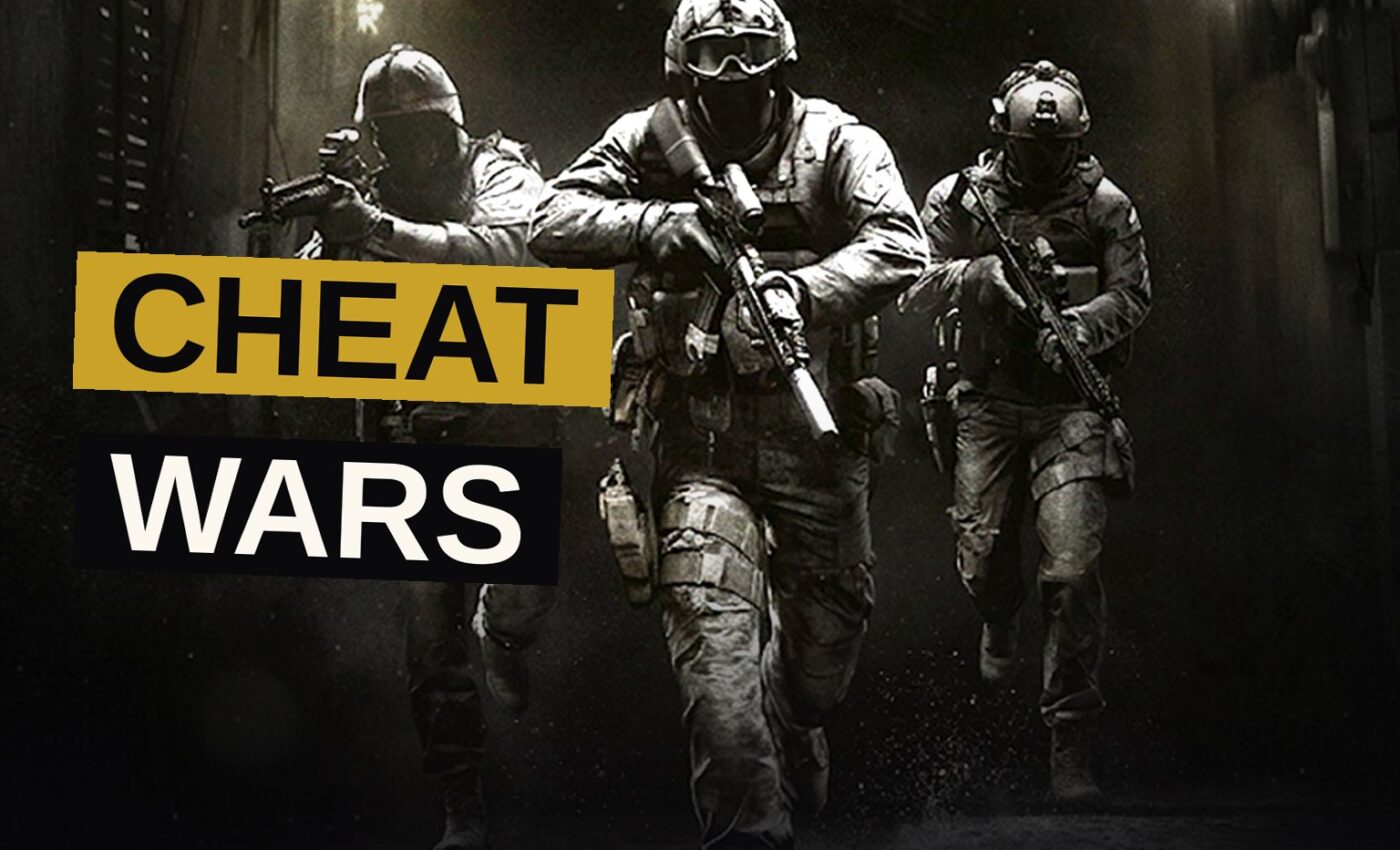
The man leading the fight against Call of Duty cheaters says the problem is a multi-billion dollar industry, and his strategy includes hiring the enemy.
David Andrews is the Senior Director of Game Security for Call of Duty at Activision. He spent years at Rockstar Games fighting cheaters in Grand Theft Auto Online and Red Dead Online before making the jump last year. In a rare sit-down interview with IGN, Andrews broke down how the Ricochet anti-cheat system works, dispelled myths about the process, and explained why some cheat developers are actually just fans who love the game too much.
From the Air Force to Los Santos
Andrews did not start in video games. He came from the Department of Defense and the Air Force before pivoting to the industry. His first stop was Rockstar Games, where he worked on Grand Theft Auto Online. That was a different kind of fight.
“The interesting pivot for me is that the GTA Online gameplay loop is very different,” Andrews said. “Same thing for Red Dead Online, and that’s where cheat developers tend to go. They’re trying to shortcut whatever that gameplay loop is for their customers.”
On GTA Online, that meant money drop lobbies and economic exploits. Players wanted in-game cash, and cheaters sold it. The problems were real, but Andrews said they eventually fixed them.
Call of Duty is a different beast. The game runs on rolling lobbies rather than persistent online sessions. Matches start and end quickly. Players drop in and out. But the disruption is the same.
“A cheater that goes undetected for too long is going to have an impact no matter what that is,” Andrews said. “Cheating is still just ultimately super disruptive. It’s a terrible experience. It’s bad for our players, and the mission is always just to try to prevent as many of them as we can from getting into the game and then get them out as quickly as we can for those that make it through.”
Why Cheaters Keep Getting Through
One myth Andrews wanted to kill: that any anti-cheat system can stop everyone. It cannot. Cheat developers are highly motivated, and some of them are very good at what they do.
“If anybody running a live service title is going to have this kind of issue with cheating, and no matter how advanced or what your particular approach is for a particular title or whatever you’re doing, cheaters are always going to get through,” Andrews said.
He pointed to a video from Wardogs, a group he discussed the night before the interview, as a good example of this reality. The message was simple: no matter how good you are at this part of the game, people are going to get through.
The money is the reason. Cheats are a massive industry, and the people selling them are highly motivated.
“It’s a multi-billion dollar industry out there selling cheats, and they’re all looking for their cut of it,” Andrews said.
That financial incentive means the problem is not going away. It also means the fight is industry-wide. Andrews said companies like Activision and the teams behind Valorant all face the same pressures. Cheat developers rarely focus on one game.
“There’s very rarely somebody who’s just developing for Call of Duty,” he said. “They might have their fingers in Fortnite or Valorant or some other title out there, as well.”
Hiring the Enemy
Here is where the story gets strange. Andrews has hired cheat developers to work for him.
Not all cheat developers are criminals, he said. Some of them are just curious. They love a game, they have a technical mind, and they want to understand how it works. That curiosity can lead them down a dark path.
“There are also a strain of cheat developers, or I even call them cheat development-adjacent folks, who are just in it for the love of the game,” Andrews said. “They just really love that title and they have a technical sort of bent of mind and they want to understand how the game is working.”
Andrews said he has had success bringing those people over to his side. He hires them. They bring expertise that is hard to find anywhere else.
“They bring a huge expertise and a really unique point of view to add to the team, and it can be a really huge value add for us,” he said. “We’ve done that successfully a few times.”
It is a strategy that sounds counterintuitive, but Andrews said it works. The people who know how to break the game are often the best people to help protect it.
The Review Process
Andrews walked through what happens when a player is flagged for suspicious behavior. The process is not instant. It is careful. It is methodical.
When a player is flagged, the team does not just ban them on the spot. They investigate. They look at the evidence. They want to be sure.
The goal is to get cheaters out of the game as quickly as possible, but also to avoid banning innocent players. That balance is the hard part.
Andrews did not give a specific timeline for how long a review takes. He did not give exact numbers on how many players have been banned. What he did say is that the team is constantly working to improve the speed and accuracy of the process.
What Players Get Wrong
There is a lot of misinformation out there about how anti-cheat systems work. Andrews wanted to clear some of it up.
One common myth is that anti-cheat is a single magic bullet. It is not. The reality is that anti-cheat is a constant arms race. The team at Activision is always updating, always learning, always adapting. Cheaters find a way through, and then the team finds a way to close that gap.
The Industry Problem
Andrews said the cheating problem is not something any one company can solve alone. It is an industry-wide issue.
Companies do talk to each other. Andrews said there is informal communication between teams at different studios. They share war stories. They share approaches. They compare notes when they can.
“By and large though, we all keep pushing forward in terms of all of the things that are available to us,” he said. “Different companies have different litigation strategies and things like that, but we’re all marching in the same direction as much as we can.”
That cooperation is limited. Companies are still competitors. But on the cheating front, they are on the same side.
The User’s Motivation
Andrews also addressed the people who buy cheats. Why would someone pay $70 for a game and then pay more to not actually play it?
The answer, he said, is ego.
“It’s because they want to be seen to be good and they’re not actually good at this game,” Andrews said.
Cheating is not about playing the game. It is about pretending to be good at it. It is about the appearance of skill without the effort.
The Launch Ahead
The timing of this interview matters. Call of Duty is gearing up for the release of Modern Warfare 4 in October. Activision is working hard to spotlight its anti-cheat efforts ahead of launch.
The stakes are high. A good anti-cheat system can be a selling point.
Andrews and his team are betting that transparency helps. By talking about the process, by dispelling myths, by explaining how the system works, they hope to build trust with players.
It is a rare move. Most companies stay quiet about anti-cheat because they do not want to give cheaters a heads-up on how to evade detection. Andrews acknowledged that caution, but he also seemed to think the benefits of talking outweigh the risks.
The fight against cheating is not going to end. Andrews knows that. The cheaters will keep trying. The developers will keep adapting. The war will go on.
| Platform | Cheating Focus | Key Difference |
|---|---|---|
| GTA Online | Economic progress, money drops | Persistent online sessions |
| Red Dead Online | Economic progress | Persistent online sessions |
| Call of Duty | Competitive advantage, griefing | Rolling lobbies, match-based |
- Cheat developers are financially motivated by a multi-billion dollar industry.
- Some cheat developers are fans who just want to understand how the game works.
- Activision has hired former cheat developers to join the anti-cheat team.
- Companies across the industry informally share information about cheaters.
- The review process prioritizes accuracy to avoid banning innocent players.
Source: ign.com
Get the Notebook.
The day's best stories and every fresh verdict, in plain English, in your inbox by seven. One email a day, no more.