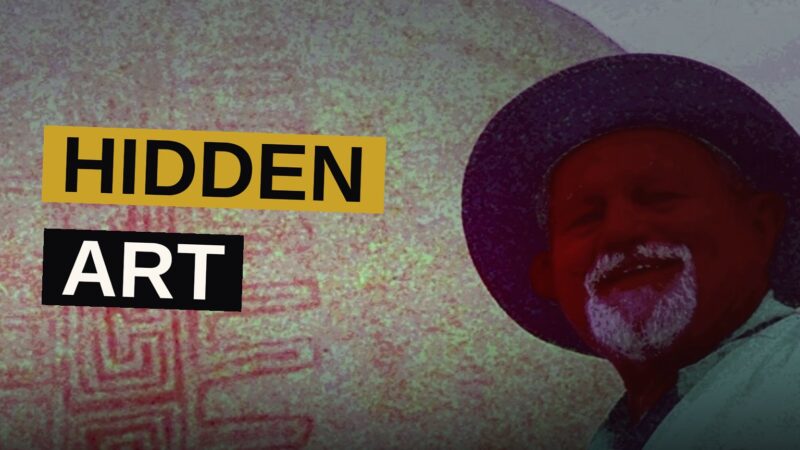
Color Filter That Helped NASA See Mars Is Now Revealing Hidden Cave Paintings on Earth
A NASA color-enhancement trick meant for Mars is now revealing hidden rock art on Earth, uncovering ancient figures in Egypt, Canada, and Norway.

Research, space, climate and the natural world.
A NASA color-enhancement trick meant for Mars is now revealing hidden rock art on Earth, uncovering ancient figures in Egypt, Canada, and Norway.

A study of 1 million people finds personality is shaped by thousands of tiny-effect genes, not single DNA switches, complicating old heritability estimates.
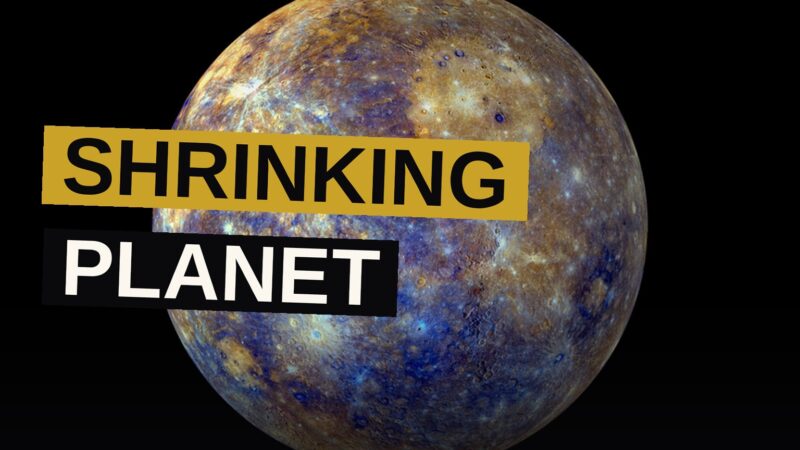
Mercury may have shrunk 10-30% more than thought, with its diameter reduced by nearly 12 miles, new research suggests.
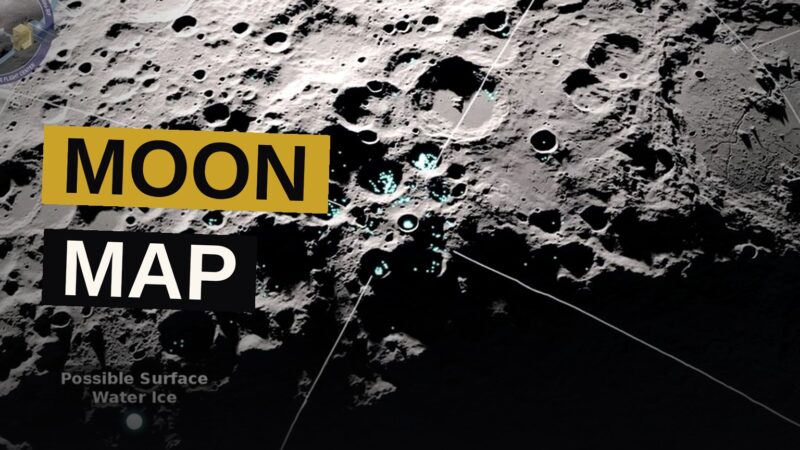
NASA and IBM's new open-source AI model maps the moon's surface in unprecedented detail, aiding crater detection, ice hunting, and safe landing zones.
A San Francisco group publishes a detailed research road map for solar geoengineering, outlining experiments and costs to inform decisions.

Researchers built an AI system that automatically detects the moment fish lose equilibrium under heat stress, replacing slow, subjective manual observation.
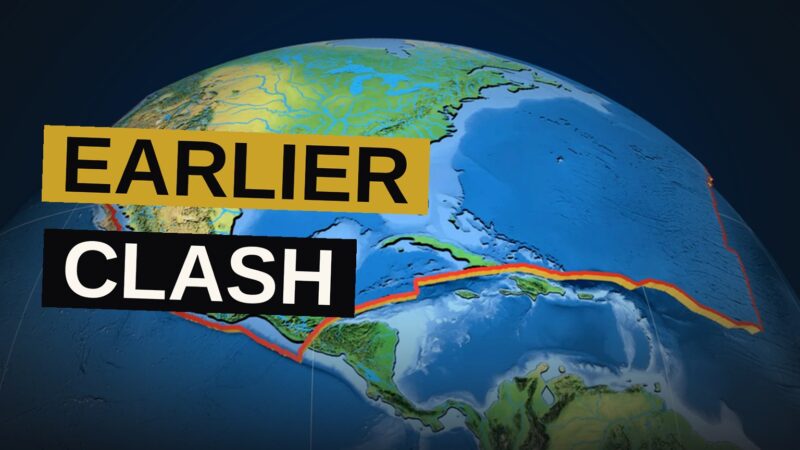
New magnetic data from Colombian volcanic rocks show the Americas collided millions of years earlier than thought, reshaping the Andes' timeline.
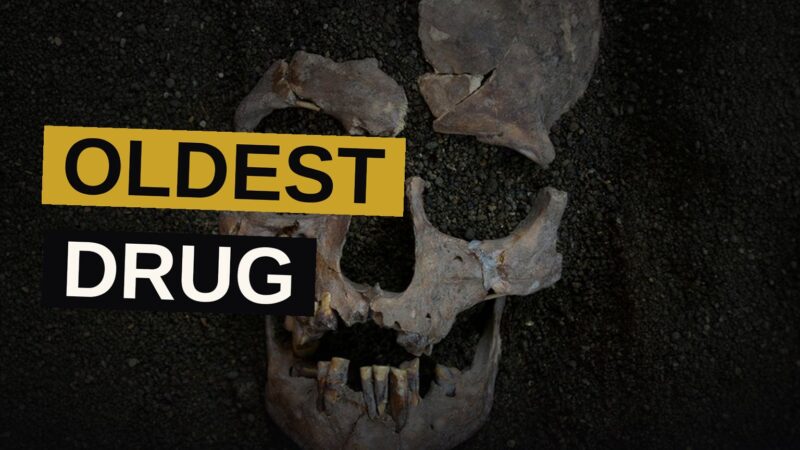
25,000-year-old teeth from Indonesia reveal the oldest known habitual drug use, as ancient hunter-gatherers chewed a numbing nut for dental pain.
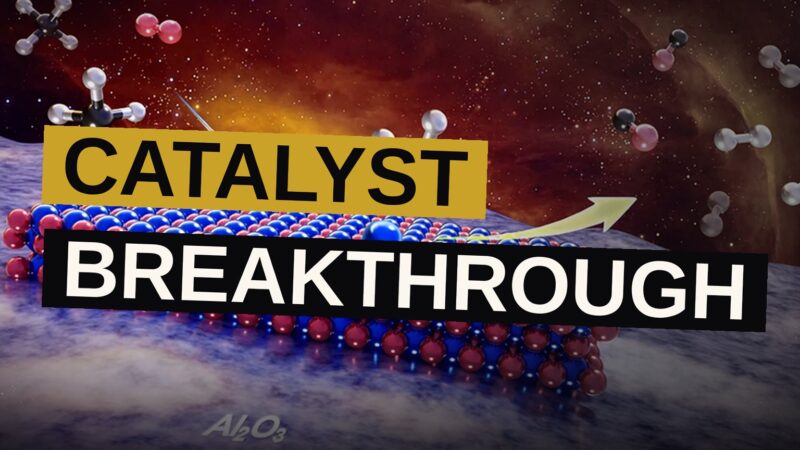
Chinese scientists reveal a hidden atomic structure that forms during methane conversion, enabling low-nickel catalysts to match high-metal performance.
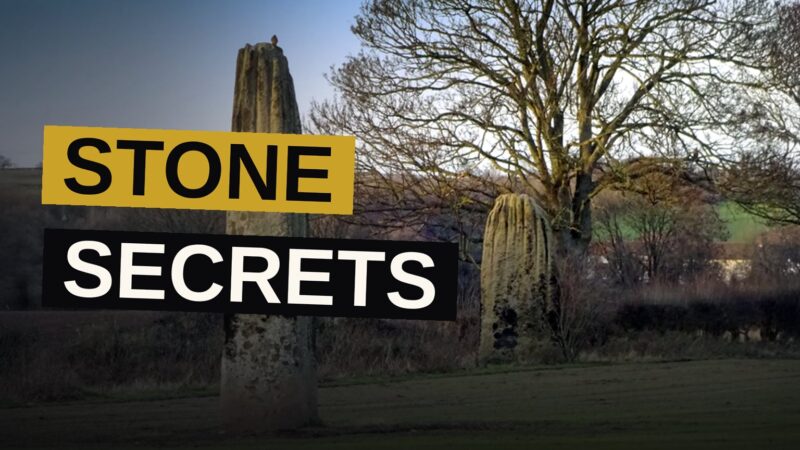
New research reveals Britain's tallest stone row was built with 25-ton stones hauled 11 miles from Brimham Rocks, showing deliberate prehistoric choices.