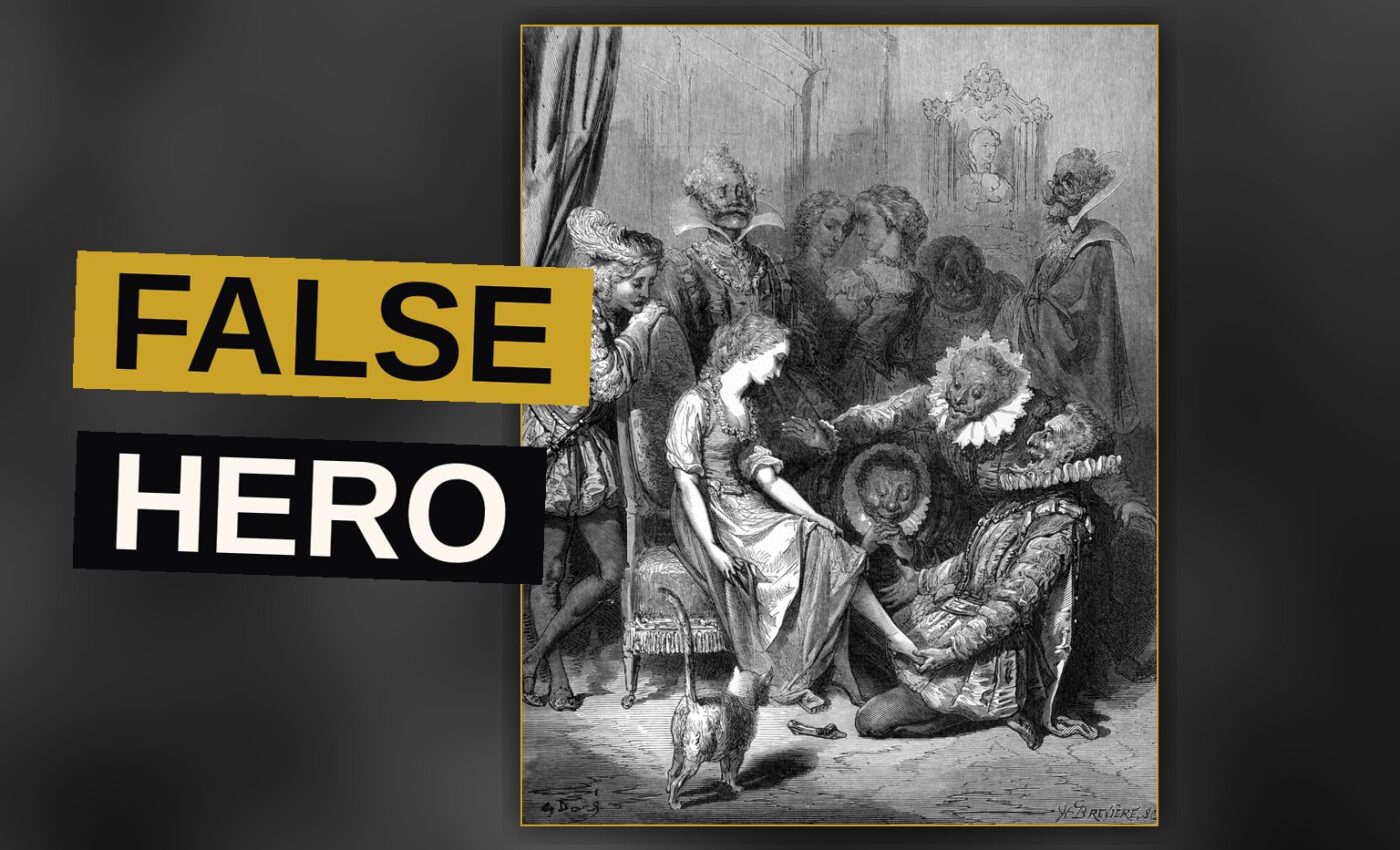
False Hero asks players to become a hero they do not want to be. That tension runs through every mission, every conversation, and every moral choice the game offers. It is a spy thriller dressed as a crime drama, built around a protagonist who is both the story’s center and its greatest problem. The result is a game that rewards patience and punishes haste, sometimes within the same scene.
Trailer, via Torchlight-Games.
False Hero’s Setup
The premise is simple on paper: a secret agent goes rogue after discovering a conspiracy within his own agency. The execution is anything but. False Hero drops players into a world of double agents, encrypted messages, and shifting loyalties, and it refuses to let anyone off the hook. The game’s opening hours establish a tone of paranoia that never fully lifts, and that is the point.
The protagonist is not a clean slate. He has made mistakes, betrayed colleagues, and carried guilt that weighs on him constantly. False Hero leans into that baggage rather than smoothing it over, and the result is a character who feels lived-in and damaged in ways most games do not attempt.
Mission Design and Stealth
False Hero is at its best when it slows down. The game’s stealth sections demand careful observation, and they reward players who take their time. Enemies have a wide field of vision, alarms travel fast, and the game rarely lets the player off with a simple escape. These moments are tense and often frustrating, but they are also some of the most memorable sequences in the whole package.
Combat is a different story. False Hero offers gunfights, but they feel less refined. The cover system works, the enemy AI reacts, and the shooting is competent, but none of it reaches the heights of the game’s quieter, slower sequences. Players who prefer action to stealth will find themselves leaning on combat more than they might otherwise, and the game’s pacing suffers for it.
Choice and Consequence
False Hero is built around choices that matter, and it mostly delivers on that promise. Conversations with key characters offer multiple paths, and the game tracks those decisions across missions. A decision made early can close off a route later, forcing players to reconsider their approach to the entire campaign. This structure is ambitious, and it mostly works, though some consequences arrive late enough that players forget exactly what triggered them.
The game’s strongest narrative threads involve the protagonist’s past and present. False Hero digs into the reasons behind his actions, and it does not always let him off easy. This is a story about a man who broke rules to protect people, and it does not flinch from showing how that legacy now haunts him. The writing is sharp, and the voice acting carries a weight that few games manage.
Technical Performance
False Hero runs on PC, and it performs well in most settings. Load times are short, textures hold up, and the game rarely crashes. The frame rate stays steady during stealth sections but dips slightly during busier combat encounters. None of this is exceptional, but it is reliable.
The sound design deserves special note. False Hero uses audio cues effectively, and ambient noise tells players as much as visual information does. Footsteps, distant shouting, and the hum of machinery all contribute to a sense of place that few games achieve. It is a small touch, but it makes the world feel lived-in.
Comparing Mission Types
| Type | Focus | Strength | Weakness |
|---|---|---|---|
| Stealth | Observation, caution | Tension, immersion | Difficulty |
| Combat | Gunplay, action | Variety | Refinement |
| Conversation | Dialogue, choice | Depth | Late consequences |
What Works Best
- The writing and voice acting carry real weight
- Stealth sections demand patience and reward it
- Choices tracked across missions build real stakes
- Sound design uses ambient noise effectively
What Falls Short
- Combat feels less refined than stealth
- Some consequences arrive late and are forgotten
- Pacing suffers when combat replaces stealth
- Tone shifts occasionally, breaking immersion
False Hero is a flawed but compelling game. Its strengths—narrative depth, stealth design, and a protagonist with real stakes—are significant. Its weaknesses—uneven combat, occasional tonal shifts, and a pacing problem—keep it from greatness. Taken as a whole, it is a game that rewards attention and punishes carelessness, and that balance is worth noting.
The game’s best moments come when it trusts players to slow down and think. Its worst moments come when it forces players into combat they would rather avoid. Both sides of that coin are telling, and they say something about the game’s ambitions and its limits.
False Hero is a game about being a hero that does not want to be one, and it delivers on that premise more often than not. It is worth playing for the writing alone, even when the gameplay falters. The final score is 8 of 10.
Get the Notebook.
The day's best stories and every fresh verdict, in plain English, in your inbox by seven. One email a day, no more.