
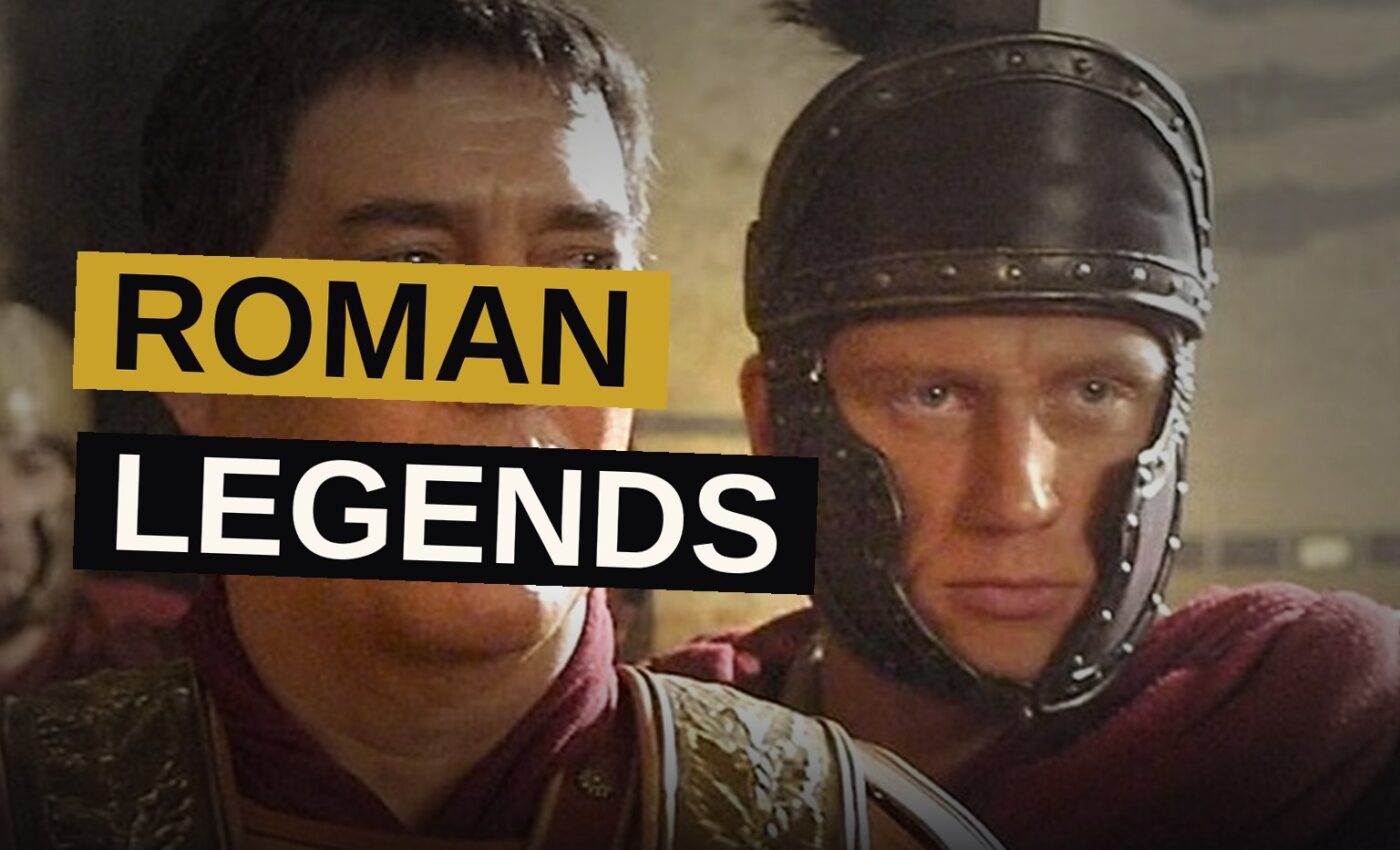
Television about ancient Rome is rare, and expensive — which is why the list of best TV shows about the Roman Empire is a treasure trove for anyone who has ever wanted to watch Caligula, gladiators, or druids on a regular basis. The BBC’s “I, Claudius” is the crown jewel of the lot, but the genre runs from solemn history to gleefully silly camp, and the best of it knows exactly what kind of show it is.
I, Claudius Leads the Pack
The BBC miniseries “I, Claudius” aired in the U.K. in 1976 and reached the U.S. via PBS in 1977, the same year “Roots” changed American television. It stars Derek Jacobi as the elderly emperor Claudius, narrating his own life as a family man who became Rome’s ruler despite his own modest ambitions. Brian Blessed plays Augustus, George Baker plays Tiberius, and John Hurt plays Caligula.
The production looks dated today. Filming took place entirely on soundstage, costumes lack grandeur, and battle scenes barely exist. But the acting, writing, and direction are superb. Patrick Stewart, Siân Phillips, and Sheila White round out a cast delivering Shakespearean performances for the small screen.
The show was hugely influential, a prestige TV show before the concept existed. Its creators ushered in the era of HBO, and George R. R. Martin found inspiration there for “Game of Thrones.” With well-rounded characters and an emphasis on historical accuracy, “I, Claudius” remains in a league of its own.
Britannia Is Camp at Its Peak
“Britannia” is not subtle. Set in 43 A.D., it follows General Aulus Plautius (David Morrissey) as he tries to conquer Britain 90 years after Julius Caesar failed. The Celts and druids he meets could not care less about his plans. They smoke “moss,” hallucinate, and cover themselves in mud.
Kerra (Kelly Reilly of “Yellowstone”) is a princess trying to protect her people. Veran (Mackenzie Crook) is the terrifying leader of the druids. Queen Antedia (Zoë Wanamaker) leads a powerful tribe with elegance and vulgarity. The show borrows every fantasy trope in the book — sword fights, sorcery, betrayals, beheadings, verbal sparring, and generational feuds.
The cast plays it deadly seriously, but the gore and profanity shout the show’s underlying silliness. The theme songs, “Hurdy Gurdy Man” and “Season of the Witch” by Donovan, are on-the-nose to the point of being literal. It is not subtle, but it is a hell of a good time.
Spartacus Runs Bloody and Sexy
Starz’s “Spartacus” is a bloody, sexy thrill ride. Andy Whitfield stars as an unnamed Thracian man forced to fight as a gladiator for Batiatus (John Hannah) and his wife Lucretia (Lucy Lawless). Christened Spartacus by his master, he leads a slave uprising after his wife dies.
Produced by Sam Raimi, the show aims for the look of a comic book or graphic novel. It is filled with drama, thrilling fight scenes, nudity, and gore. Lawless’ Lucretia is a fascinating villain, and Spartacus is an easy hero to root for.
“Spartacus” is a perfect binge. It is one of the bloodiest shows on TV, but it is also deceptively smart and funny at times, pulling you in with gore and bodies and keeping you hooked with engaging plots and fascinating characters.
Rome’s Short Run Was Worth It
HBO’s “Rome” ran for two seasons before cancellation. It took place during the time of Julius Caesar (Ciarán Hinds) and tracked the violent transition from the Roman Republic to the Roman Empire. The show followed two commoners, Titus Pullo and Lucius Vorenus, played by Ray Stevenson and Kevin McKidd, through the political machinations of Caesar and the nobles around him.
The show was expensive to produce, which is why it ended early. But it paved the way for “Game of Thrones.”
What We Make of It
“I, Claudius” is the standard bearer, a prestige show that shaped the entire industry. “Britannia” is a guilty pleasure that earns its silliness with commitment. “Spartacus” is a bloody, sexy spectacle that rewards repeat viewings. And “Rome” is a show that ended early but left its mark.
The list is a reminder that ancient Rome has captured imaginations for decades. From the BBC to Starz to HBO, new stories keep emerging.
“Subtle Britannia is not.”
That line sums up the whole range. Some shows are subtle, some are not, and the best ones know which they are.
- “I, Claudius” — 1976 U.K. broadcast, 1977 PBS U.S.
- “Britannia” — set in 43 A.D.
- “Spartacus” — produced by Sam Raimi
- “Rome” — canceled after two seasons, aired 2005–2007
The Roman Empire is dead, but its television lives on.
Get the Notebook.
The day's best stories and every fresh verdict, in plain English, in your inbox by seven. One email a day, no more.