
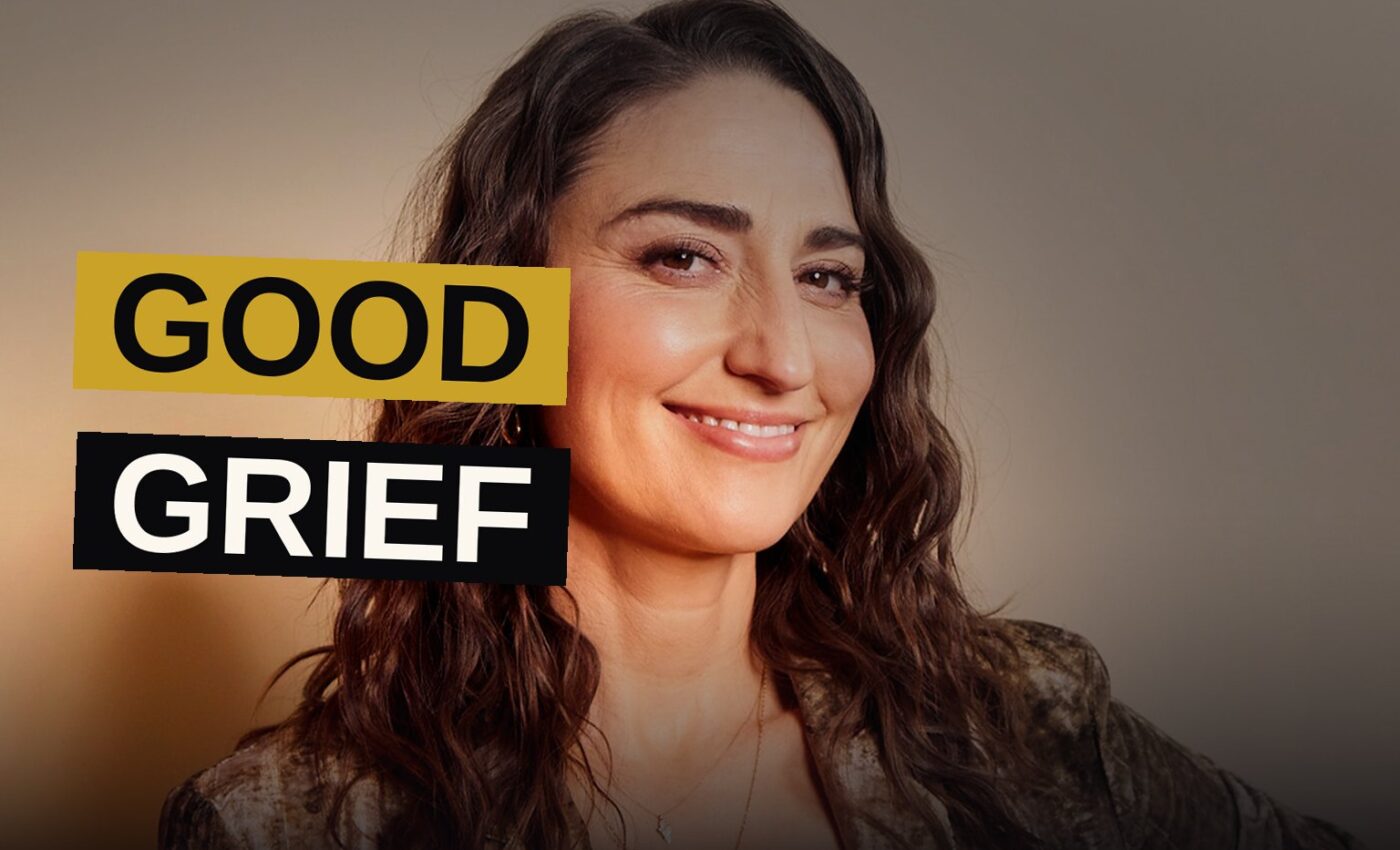
Sara Bareilles has spent the last seven years writing about grief, and she wants you to know it is not the whole story. Her new album, Good Grief, arrives as her first studio record in that span, and she says the process of making it brought her relief, not ruin. The record deals with death, fertility struggles, political upheaval and the ordinary weight of growing older — but Bareilles insists it is not a somber affair.
“I felt so grateful to get to put some of those experiences somewhere,” Bareilles told Variety in a recent interview. “So it feels like the timing is right on time, for me personally.”
Grief As The Home Base
Bareilles frames grief as the central force of the record, not its only one. She compares it to a mothership — the base camp for all the other experiences that make up the album. That means the songs about losing friends, facing fertility struggles and watching the country fracture are all connected by a shared emotional center, even when the surface mood shifts from somber to playful.
“Grief is the blanket, and it covers everything.”
The album opens and closes with songs that address death directly, but Bareilles says the concept runs deeper than a simple theme. She points to the song “Ladies in a Line,” where the lyric describes grief as a blanket covering everything. She sees it as the mothership of the record, the home base for all the experiences documented within it.
Joy In The Hardship
Bareilles is quick to note that grief carries more than sorrow. She lists release, hope, optimism and connection as themes that sit alongside the heavier material. She uses the song “Idiot Heart” as an example — a track about wanting to be led to the edge by urgency toward love — and points out that loving something means losing it eventually.
“I just look at it as a really rich experience,” she said.
The album’s tone reflects that balance. The song about losing a best friend, “Just a Kid,” is described as joyful in its way. It is followed by “Still Crying,” a song that sounds happy even though it is about not being able to stop weeping. The record stays upbeat without softening its subject matter.
Who Gets To Relate
The question of who can connect with Good Grief is one Bareilles has clearly considered. She jokes about whether she made an old person’s record, but she pushes back on the idea that life experience is required to engage with it. She sees young people today as more attuned to broader themes — climate crisis, political division, the fragility of life — than she was at their age.
“I don’t know if it’s about the existential drama of life and death, but I do think that there is a kind of antenna turned towards bigger-picture themes than maybe I was quite aware of when I was that age,” she said.
She is curious about how listeners respond, and she hopes the record connects with audiences regardless of their age or their history with loss.
The Tour Arrives
Bareilles is also touring the album, with dates just getting underway. The fall stretch includes performances at Radio City Music Hall and the Dolby Theatre. The tour is her first real tour of the 2020s, and she describes it as a chance to share the material live after a long break from recording.
The album is a product of journaling, according to Bareilles. She writes every morning, and she credits that practice with helping her process the losses and hardships she went through while making the record.
What The Album Covers
The record touches on several subjects:
- Losing best friends at too early an age
- Dealing with fertility struggles
- Running toward and away from love
- Watching women’s rights erode
- Mental health issues
- Continuing to believe in the promise of America
Bareilles has also been busy outside her solo work. She created the TV show Girls5Eva and is working on her next stage musical, The Interestings. Those projects kept her occupied during the gap between records, but she says the time apart was necessary.
“It takes me a long time to have something else to say,” she explained.
The album’s title is a deliberate choice. Bareilles could have called it “Great Grief,” but she decided that would have been immodest. Good Grief suggests something productive, something that brings people together — a record about hardship that does not leave the listener destroyed.
That balance is exactly what Bareilles is aiming for. She wants the album to acknowledge grief fully while also finding the joy, release and connection that sit beneath it.
Get the Notebook.
The day's best stories and every fresh verdict, in plain English, in your inbox by seven. One email a day, no more.