
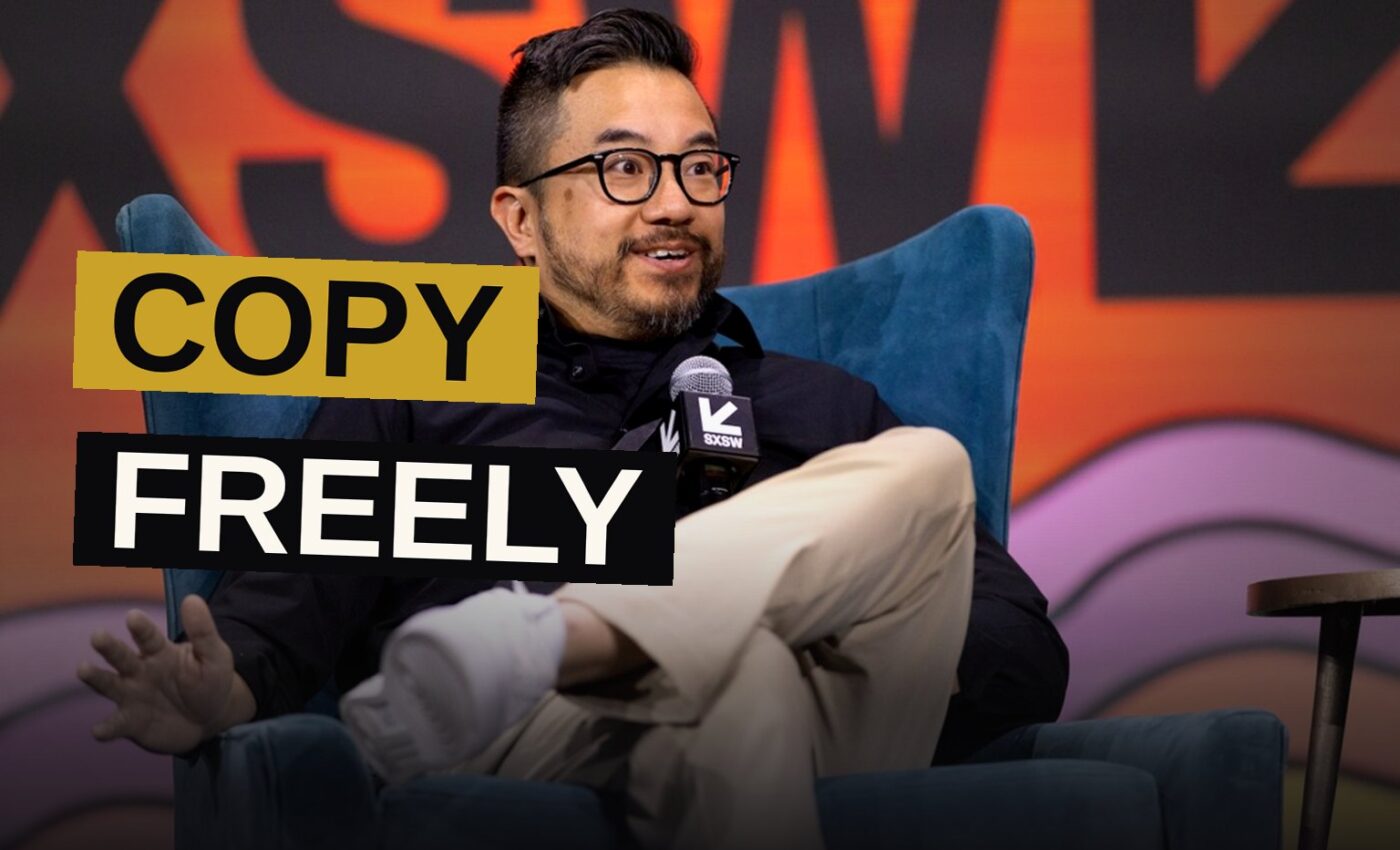
Garry Tan, the CEO of Y Combinator, is pushing for American AI labs to be permitted to freely copy frontier models without government intervention. His reasoning rests on the idea that if Chinese labs can distill — which means prompting a model to teach another how it reasons — then U.S. labs should not be barred from using the same technique.
“I would do nothing,” he told CNBC in an interview earlier this week. “We could argue that there should be an American distillation regime.”
What Distillation Actually Is
When one model maker repeatedly prompts another model to see how it operates and reasons, that practice is known as distillation. It is a legitimate approach that AI labs often use to train new models. Through this method, smaller labs can build upon the work of larger ones instead of having to start from nothing.
The idea put forward by Tan is straightforward: he wants American open-weight AI labs to shrink down and copy the training methods used by American frontier AI labs, so that the United States ends up with a stronger collection of open-weight choices that aren’t Chinese.
The Anthropic Report
This week Anthropic issued a second report accusing Chinese labs of illicit distillation attacks. The document claims those labs conceal their identities when copying models without authorization and depend on deception and stolen login details to carry out such actions. Anthropic chief executive officer Dario Amodei has previously urged U.S. regulators to intervene against distillation.
The accusations contained within the report carry weight. They claim that Chinese laboratories have concealed their true identities while using stolen access information to duplicate models without authorization.
It’s notable that the commander of Silicon Valley’s prestigious and prolific startup accelerator doesn’t agree.
Tan’s Two Arguments
Tan isn’t asking American AI labs to use stolen credentials to distill; he’s asking them to let people walk through the front door freely. His argument has two parts.
First, he feels it’s an overreach for AI labs to dictate what their customers can do with the information their models share with them. Second, he notes that the proprietary AI labs didn’t ask permission when they vacuumed up as much human knowledge as they could to train their models. They famously ingested plenty of copyrighted material without the permission of those intellectual property holders.
The argument made by Tan is that the government should view access to intelligence trained on public data as a public good instead of keeping it restricted behind terms of service.
Tan, an individual who frequently makes use of AI tools himself, has expressed support for a middle ground between open-weight AI labs and frontier labs.
The Single Company Nightmare
Tan sees the real danger from frontier AI as its vast strength falling into the control of one dominant, private supplier.
“The nightmare scenario, the doomer scenario for AI is that there’s just one company,” he said. “It has the best access to capital. It has the best AI researchers. It runs away with it and suddenly there’s one company that’s monolithic. And that would be bad.”
Comparing Tan and Amodei
| Position | Stance on Distillation | Stance on Regulators |
|---|---|---|
| Garry Tan / Y Combinator | Support American labs copying frontier models | Regulators should stay out |
| Dario Amodei / Anthropic | Oppose illicit distillation by Chinese labs | Call for U.S. crackdown on distillation |
What This Means for the Industry
Tan’s position puts him at odds with Anthropic’s accusations of illicit copying by Chinese labs, even as he argues American labs should be free to copy frontier models themselves.
It is a hard situation to handle. The suggestion that Chinese labs depend on fraud and stolen credentials comes from Anthropic’s report, and Tan is not disputing those claims — he is merely stating that the reaction ought to vary.
The larger argument here holds up. The labs at the edge built their systems using data that belonged to no one involved in the project itself, and Tan believes that same spirit of openness should govern how others make use of what those labs produce.
It remains to be seen whether regulators take his counsel to heart. At present, though, the individual who oversees one of the most powerful startup accelerators on earth has stated his stance without equivocation: allow American laboratories to copy freely, and let the market handle any policing.
He fears consolidation most of all — a single firm with the finest researchers and the greatest capital carrying off the future of AI.
Get the Notebook.
The day's best stories and every fresh verdict, in plain English, in your inbox by seven. One email a day, no more.