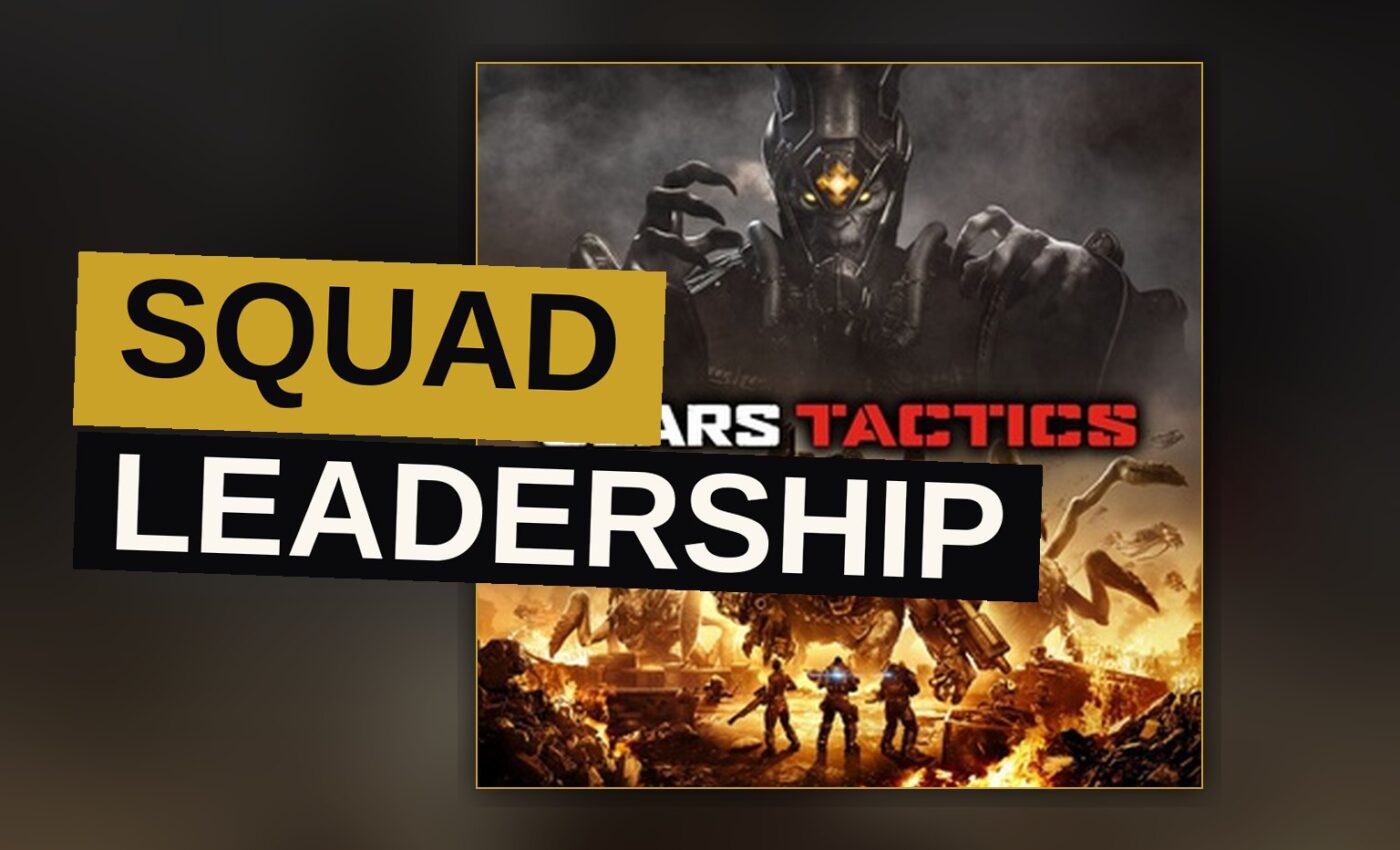
Gears Tactics is a tactical squad-based shooter that trades the chaos of its predecessors for a slower, more deliberate pace. It is a game about positioning, resource management, and the slow burn of attrition. Set before the events of the original Gears of War trilogy, it follows a young Marcus Fenix as he leads a small resistance force against the Locust Horde. The result is a sharp, often punishing strategy game that demands patience and precision.
The game is built around a hex grid, and combat unfolds in turns. Each character has a role, and each action costs resources. That simplicity is deceptive. Gears Tactics quickly becomes a test of memory, pattern recognition, and economy. You will find yourself planning several moves ahead, stacking cover, and calculating enemy reaction times. It is not a game for those who want instant gratification. It is a game for those who want to feel like they have out-thought the enemy.
Trailer, via GameSpot.
The Hex Grid
The core of Gears Tactics is its turn-based system. Units move across a hex grid, and each space represents a step. Cover is a constant concern. A soldier behind a wall takes less damage, and a soldier in the open is a target. The game rewards players who hug the edges of the battlefield and punishes those who rush forward without a plan.
Combat is tense. Enemies flank, coordinate attacks, and respond to your movements. A single misstep can cost you a squad member. The game does not hold your hand. It expects you to learn the rhythms of the Locust and adapt. That expectation is the game’s greatest strength.
Marcus Fenix
Marcus Fenix is the centerpiece of Gears Tactics. He is younger, angrier, and far less jaded than the grizzled veteran of later games. His arc is about leadership, loss, and the weight of responsibility. The game tracks his emotional journey through conversations, missions, and the occasional monologue. It is a rare thing for a strategy game to care about its protagonist’s inner life.
The dialogue is sharp. Marcus is sarcastic, blunt, and often funny. He cracks jokes in the middle of a firefight, and his interactions with his squadmates carry genuine warmth. The game also explores his relationship with his father, Victor, and the legacy of the Fenix family. These threads are woven into the campaign, giving the story a sense of history and consequence.
“You’re all I got left.”
That line, delivered during a quiet moment of reflection, captures the emotional stakes of the game. Marcus is not just a soldier. He is a man trying to keep his friends alive.
The Resistance
The cast around Marcus is a mix of competent soldiers and memorable characters. There is Augustus “August” Cole, the brash and loyal second-in-command; Anya Stroud, the sharp-tongued medic; and Maria Martinez, the stealthy scout. Each has a distinct personality, and the game uses their banter to break up the tension of combat.
The game also features a series of named enemies, including the brutish Grunt and the cunning Berserker. They are not just fodder. They have tells, weaknesses, and moments where they can turn the tide. Learning their patterns is half the battle. The other half is managing your own squad’s cooldowns, ammo counts, and health bars.
Resource Management
Gears Tactics is a game of trade-offs. You have a limited budget of action points per turn, and you must decide who moves, who shoots, and who holds position. Overextending your squad can leave you vulnerable. Underestimating the enemy can get you killed. The game forces you to think about efficiency constantly.
The game also introduces a morale system. Your squad’s confidence wavers under sustained pressure, and low morale can trigger panic, causing units to flee or fire wildly. Managing morale requires careful deployment of support abilities and strategic use of cover. It adds a layer of complexity that sets Gears Tactics apart from simpler tactical shooters.
Difficulty
Gears Tactics is hard. The difficulty curve is steep, and the game does not ease you in. Early missions can be forgiving, but the mid-game ramps up sharply. Boss fights are brutal, and the final stretch demands near-perfect execution. The game respects your time by making its challenges meaningful.
There are multiple difficulty settings, and the default is challenging. Veterans of the series may want to start on higher tiers, while newcomers might prefer a gentler introduction. The game also offers a variety of side missions and optional objectives, giving you room to experiment with different strategies.
Multiplayer
Gears Tactics includes a multiplayer mode called Co-op+, where you can team up with friends to complete randomized missions. It is a solid addition, though it lacks the depth of the main campaign. The online co-op is fast-paced and chaotic, with squads working together to clear waves of enemies. It is a welcome break from the slower single-player experience.
The multiplayer also features a ranked mode, where you can climb the ladder and compete against other players. The competitive element adds replay value, but it is not the main draw. The campaign remains the heart of the game.
Final Word
Gears Tactics is a masterclass in tactical design. It takes the core mechanics of Gears of War and strips them down to their essentials, then rebuilds them with a new layer of strategy. The result is a game that feels both familiar and fresh. It respects your intelligence and rewards your preparation.
The game is not perfect. Some missions are repetitive, and the pacing can drag in the middle sections. The UI is occasionally clunky, and the difficulty spike can be off-putting. But these flaws are minor compared to the strengths.
Gears Tactics is a must-play for fans of the series and a strong entry point for newcomers to the genre. It is a game that rewards patience, creativity, and attention to detail. It is also a game that knows when to let you breathe.
The score is 8.4 out of 10.