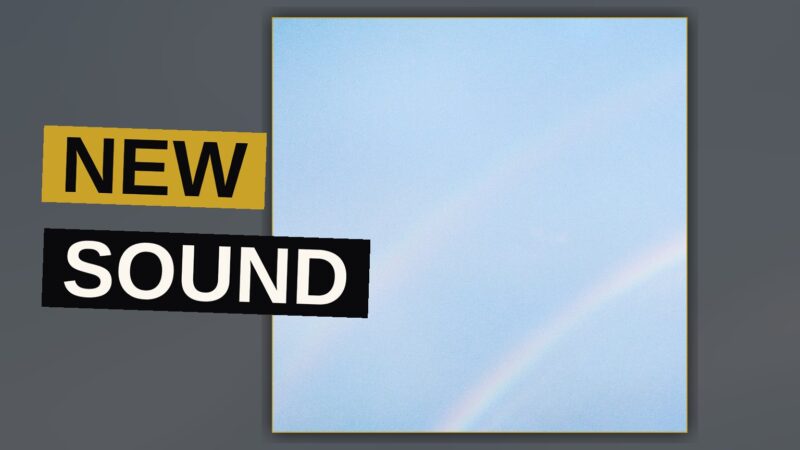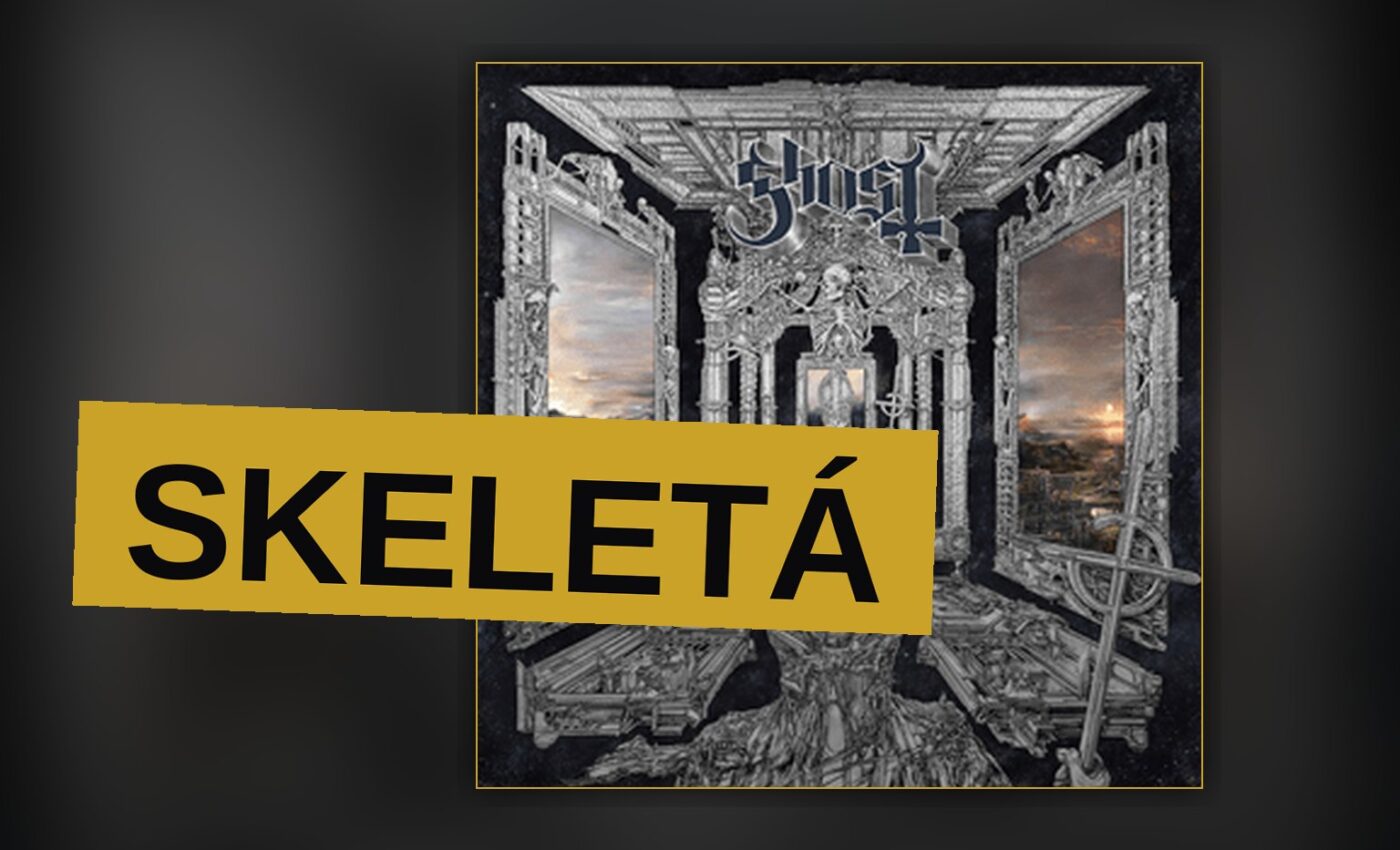
Ghost’s sixth studio album, Skeletá, pushes the band’s glossy, ’80s AOR-influenced sound to its most polished extreme. The record, released in 2025, is not a reinvention. It is a consolidation — an album that takes the melodic hard rock Ghost has been perfecting for a decade and turns the dials up on every hook, chorus and keyboard shimmer. Where earlier records balanced menace with pop, Skeletá mostly abandons the menace in favor of pure, unapologetic entertainment.
The band has never sounded this confident, and the production reflects it. Every track is immaculately layered, with big drums, wide synths and vocals that sit right at the front of the mix. That gloss is the album’s defining feature, and it is also its most debated one. Some listeners will hear a band at the peak of its powers; others will hear a record so clean it loses the grit that made earlier Ghost records feel dangerous. The truth sits somewhere in the middle, and it makes Skeletá a fascinating, occasionally frustrating listen.
Opening With Peacefield
The album opens with “Peacefield,” a 5:44 track that sets the tone immediately. It is a slow-burning, atmospheric opener that builds from a quiet, almost pastoral intro into a soaring chorus. The song is not a typical Ghost opener — there is no immediate punch, no theatrical declaration. Instead, it eases the listener in, letting the melody do the work. It is a bold choice, and it pays off. The track establishes a mood of reflective grandeur that the rest of the album largely follows.
“Lachryma” follows at 4:36 and picks up the pace. It is a more straightforward rocker, with a driving bassline and a chorus that feels designed for stadium singalongs. The title suggests melancholy, but the music is anything but sad. It is bright, propulsive and undeniably catchy. This is Ghost operating in their comfort zone, delivering exactly what their fanbase expects and doing it well.
The first single, “Satanized,” arrives third at 3:57. It is the shortest track on the opening stretch of the record, and it is also the most immediate. The song is a tight, hook-laden piece of hard rock that leans heavily into the AOR sound. The chorus is massive, the guitars are clean and the whole thing feels engineered for radio. It is not the most adventurous track on the album, but it is the most accessible, and it serves as a perfect entry point for the record’s overall direction.
“Guiding Light” (3:24) is the shortest track on the album, and it is a brief, mid-tempo breather. It does not leave a lasting impression, but it does not need to. It functions as a palate cleanser between the bigger moments, and its restrained arrangement provides a nice contrast to the bombast around it.
De Profundis Borealis and the Middle Run
“De Profundis Borealis” (4:33) is where the album starts to show its range. The song has a colder, more atmospheric quality than the tracks that precede it. The verses are sparse, the chorus is expansive, and the overall effect is cinematic. It is one of the more interesting compositions on the record, and it rewards repeated listens.
“Cenotaph” (4:17) is a highlight. The track is a monument to the dead, and it carries a weight that much of the album lacks. The verses are tense, the chorus is anthemic, and there is a sense of drama that feels genuinely theatrical rather than merely polished. This is Ghost at their most effective, balancing their pop instincts with a darker undercurrent.
“Missilia Amori” (4:32) follows and shifts the mood again. The song is lighter, almost playful, with a bouncy rhythm and a chorus that feels like a lost ’80s rock radio staple. It is not a profound track, but it is a fun one, and the album benefits from the change in energy.
“Marks of the Evil One” (4:15) is the heaviest track on the record. The guitars have more bite, the drums hit harder, and the vocals take on a more menacing edge. It is a reminder that Ghost can still summon their darker side when they choose to. The song is a standout precisely because it breaks from the polished template that dominates the rest of the album. It is a welcome dose of aggression.
Umbra and Excelsis Close the Album
“Umbra” (5:32) is the longest track on the record’s back half, and it is a slow, brooding piece that builds to a powerful climax. The verses are quiet and tense, the chorus opens up into a soaring release, and the final minute feels genuinely epic. It is one of the album’s most ambitious tracks, and it lands.
“Excelsis” (6:02) closes the album with the longest track on the record. It is a grand, sweeping finale that pulls together all the album’s threads — the big choruses, the glossy production, the theatrical delivery. The song is not subtle, but it is not trying to be. It is a statement of intent, a final flourish that leaves the listener wanting more. It works.
The Reception and the Verdict
Critics have responded well to Skeletá. The album holds a Metacritic score of 78 out of 100, and AllMusic gave it 4.0 out of 5. The critical consensus describes the reception as “generally favorable,” with reviewers praising the glossy sound and catchy melodies while some felt the production was overly polished and repetitive compared to earlier Ghost records.
“There are bands that lavish in the fondue of modern hard rock without the cheese, but not Ghost.”
That quote from AllMusic captures the general sentiment. Blabbermouth called the album “aggressively entertaining and full of massive tunes,” and Louder wrote that “Skeletá is Ghost at their most confident, flamboyant and defiant.” The tracks critics singled out include “Peacefield,” “Lachryma,” “Satanized,” “Umbra,” “Marks of the Evil One” and “Cenotaph” — which aligns with the strongest material on the record.
The Criticism and the Highlights
The criticism about over-polish is fair. The production on Skeletá is so clean that it occasionally sands off the edges that made Ghost’s earlier work feel dangerous. The band has always been theatrical, but there was a roughness to their early records that grounded the spectacle. That roughness is almost entirely absent here. Every note is placed, every mix is perfected, and the result can feel sterile in stretches.
That said, the album’s best moments are genuinely great. “Cenotaph” and “Marks of the Evil One” prove that Ghost can still write songs with weight and menace. “Umbra” and “Excelsis” show that the band can handle longer, more ambitious structures. And the run from “Satanized” through “De Profundis Borealis” is as catchy as anything Ghost has ever released. The material is strong enough that the production choices, while debatable, never sink the record.
The album’s highlights, ranked:
- “Cenotaph” — the most complete song, balancing menace and melody.
- “Marks of the Evil One” — the heaviest track, a needed jolt of aggression.
- “Umbra” — the most ambitious composition, building to a genuine climax.
- “Satanized” — the most immediate hook, engineered for radio.
- “Excelsis” — a grand finale that earns its six-minute runtime.
- “Peacefield” — a confident, atmospheric opener.
Skeletá is a confident, flamboyant album from a band that knows exactly what it is doing. It is not a reinvention, and it is not a return to form — it is a continuation and an amplification. The songs are big, the hooks are bigger, and the production is the glossiest the band has ever committed to tape. The record is a strong, focused collection of hard rock tunes that ranks with the band’s best work.
The album is not without its flaws. The polish can be suffocating, and a few of the mid-tempo tracks blur together. But the highlights are substantial enough to carry the record, and the overall experience is one of a band operating at full confidence. Ghost has never sounded more like themselves, for better and for worse.
This is a record that rewards attention. The individual tracks hold up on repeated listens. It is not a perfect album, but it is a very good one.
Get the Notebook.
The day's best stories and every fresh verdict, in plain English, in your inbox by seven. One email a day, no more.
- Peacefield5:44
- Lachryma4:36
- Satanized3:57
- Guiding Lights3:24
- De Profundis Borealis4:33
- Cenotaph4:17
- Missilia Amori4:32
- Marks of the Evil One4:15
- Umbra5:32
- Excelsis6:02
- Peacefield (Dolby Atmos mix)5:44
- Lachryma (Dolby Atmos mix)4:36
- Satanized (Dolby Atmos mix)3:57
- Guiding Lights (Dolby Atmos mix)3:24
- De Profundis Borealis (Dolby Atmos mix)4:33
- Cenotaph (Dolby Atmos mix)4:17
- Missilia Amori (Dolby Atmos mix)4:32
- Marks of the Evil One (Dolby Atmos mix)4:15
- Umbra (Dolby Atmos mix)5:32
- Excelsis (Dolby Atmos mix)6:02