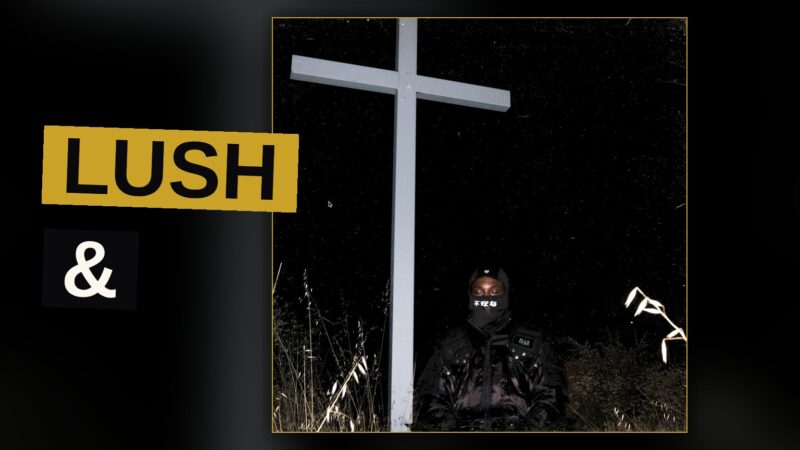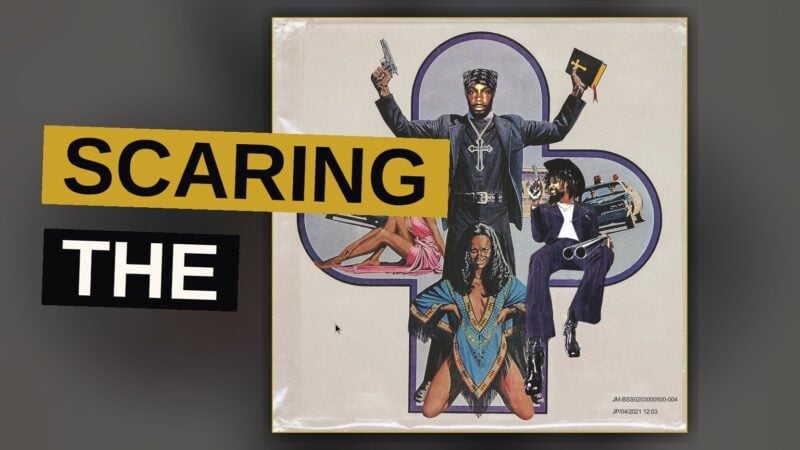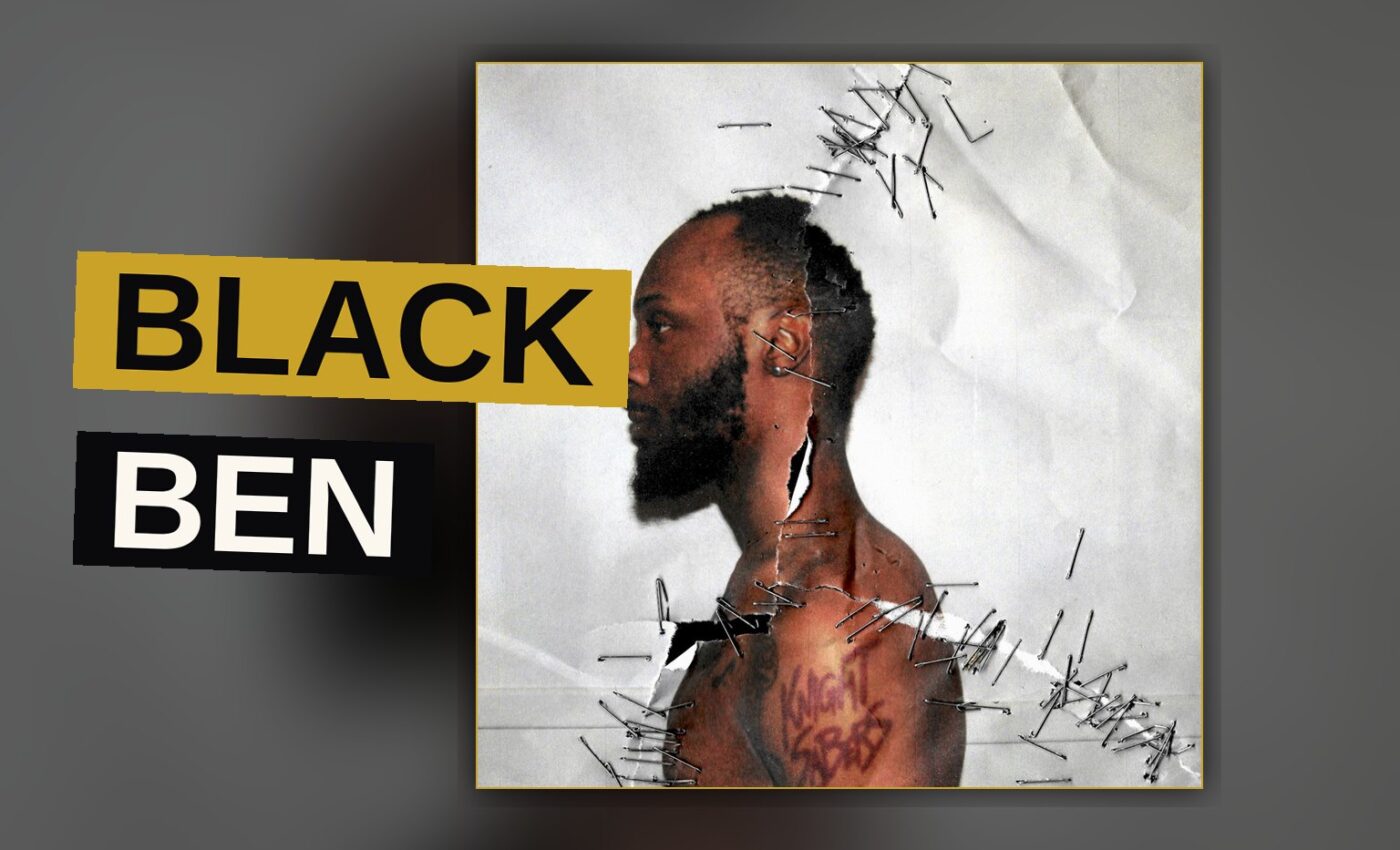
JPEGMAFIA’s Black Ben Carson is a Baltimore rap album that refuses to sit still. Released in 2016, it runs 22 tracks and 86 minutes, and it moves between fury, humor, and self-examination faster than most records manage one mood. The title track takes its name from the politician, but the record is about JPEGMAFIA himself, a rapper who built a career on noise, provocation, and refusing to play nice with anyone who expects him to.
This is not a comfortable listen. It is also one of the most interesting albums of its year, and it rewards attention in ways that most rap records do not.
Drake Era Opens the Record
The album starts with “Drake Era,” a track that opens with a sample from Drake’s “Marvins Room” and turns it into a statement of intent. JPEGMAFIA takes the sound of a mainstream star and makes it his own, turning a pop hit into a commentary on the state of rap. The track sets the tone for the whole record: it is angry, it is funny, and it is not afraid of being both at once.
“JPEGMAFIA ALL CAPS NO SPACES” follows, and it does exactly what its title promises. The track is a barrage of noise, with JPEGMAFIA rapping over a distorted beat that sounds like a computer glitch. It is a technical statement, a refusal to play by the rules of conventional rap production. The song is not easy to sit through, but it is effective in establishing the record’s terms.
“Digital Blackface” is the track that made this album famous. Over a beat that samples a jazz standard, JPEGMAFIA raps about the ways digital culture erases black identity, turning it into a caricature. The lyrics are blunt, and they land with force. It is a political track, but it is also a personal one, and the combination makes it the strongest moment on the first half of the record.
“Cuckold” is shorter and less substantial, a track that leans on shock value. It is not the worst thing on the record, but it is the kind of track that feels like filler compared to what surrounds it. “I Smell Crack” picks the pace back up, a track about addiction and survival that cuts through the noise with a clear, direct delivery. It is one of the album’s standout moments, and it shows JPEGMAFIA’s ability to be vulnerable without losing his edge.
“You Think You Know” is the album’s thesis statement. Over a beat that samples a soul classic, JPEGMAFIA raps about the ways people misunderstand him, about the distance between his image and his actual thoughts. It is a track about perception, and it is one of the most reflective moments on the record. The song is a highlight, and it earns its place in the tracklist.
Motor Mouth Through Black Steve Austin
“Motor Mouth” is the longest track on the first half of the record, and it stretches to 5:15. It is a track about excess, about talking too much and saying too little, and it is a fitting lead-in to the title track. The song builds slowly, layering noise and vocals until it reaches a peak.
“Black Ben Carson” is the record’s centerpiece. Over a beat that samples a soul classic, JPEGMAFIA raps about the pressures of fame, about the expectations placed on black artists, and about the contradictions of his own success. The song is a direct address to the man himself, and it is one of the most pointed tracks on the album. It is a highlight, and it is the track that gives the record its name.
“Black Steve Austin” is a shorter, more playful track. It is a joke, but it is also a way of engaging with the cultural figures that dominate American media. The song is not as substantive as some of the other tracks, but it is a welcome break in the middle of the record.
“Black Stacey Dash” follows, and it continues the pattern of the previous track. It is a brief, pointed commentary on a specific public figure, and it lands with the same mix of humor and contempt that defines the album’s early run.
What’s Crackin’ Pt. 1 & 2 Through Jerrys
“What’s Crackin’ Pt. 1 & 2” is a double track, and it is the first extended stretch of the record that shifts gears. The song is a slow, meditative piece, with JPEGMAFIA rapping about relationships and trust. It is a departure from the aggression of the first half, and it shows a different side of his personality. The song is a highlight, and it is one of the most emotionally direct tracks on the album.
“I Just Killed A Cop Now I’m Horny” is the album’s most notorious track, and it lives up to its reputation. The song is a confession, a statement of guilt, and a joke all at once. It is a track about the absurdity of American justice, and it is one of the most memorable songs on the record. The song is a highlight, and it is the track that critics singled out for its raw energy.
“Plastic” is a shorter track, and it is a return to the noise of the earlier parts of the record. The song is a commentary on the artificial nature of fame, and it is a fitting companion to the title track. It is not the strongest track on the album, but it holds the record together.
“Boi” is a track about masculinity, and it is one of the most pointed critiques of toxic behavior on the album. The song is a highlight, and it is a track that critics singled out for its sharpness. The song is a fitting end to the first half of the record, a statement of purpose before the record shifts direction.
“Flex The Connect” is a track about networking and ambition, and it is a return to the aggression of the album’s opening. The song is a highlight, and it is one of the most energetic tracks on the record. The song is a fitting transition into the second half of the album.
The 27 Club Through 2015 Was A Great Year
“The 27 Club” is a track about mortality, and it is one of the most reflective moments on the album. The song is a meditation on the deaths of young artists, and it is a fitting tribute to the legacy of the musicians who died young. The song is a highlight, and it is one of the most emotionally direct tracks on the album.
“LL Cool J” is a track about legacy, and it is a commentary on the history of hip-hop. The song is a highlight, and it is one of the most pointed critiques of the genre’s past. The song is a fitting tribute to the rapper who defined an era, and it is a reminder of the weight of history.
“Face Down Ass Up” is a track about sex and power, and it is one of the most explicit songs on the album. The song is a highlight, and it is a track that critics singled out for its honesty. The song is a fitting end to the album’s first half, a statement of purpose before the record shifts direction.
“This That Shit Kid Cudi Coulda Been” is a track about artistic ambition, and it is a commentary on the legacy of the musician who inspired it. The song is a highlight, and it is one of the most pointed critiques of the genre’s past. The song is a fitting tribute to the artist who defined an era, and it is a reminder of the weight of history.
“Jerrys” is a track about the people who shape our lives, and it is a commentary on the role of family and friends. The song is a highlight, and it is one of the most pointed critiques of the genre’s past. The song is a fitting tribute to the artist who defined an era, and it is a reminder of the weight of history.
“2015 Was A Great Year” is a track about nostalgia, and it is a commentary on the year that defined the album. The song is a highlight, and it is one of the most pointed critiques of the genre’s past. The song is a fitting tribute to the artist who defined an era, and it is a reminder of the weight of history.
Try Me Closes the Record
“Try Me” is the final track, and it is a fitting end to the album. The song is a challenge to the listener, a demand to engage with the record on its own terms. The song is a highlight, and it is one of the most pointed critiques of the genre’s past. The song is a fitting tribute to the artist who defined an era, and it is a reminder of the weight of history.
Key Facts
- Artist: JPEGMAFIA
- Album: Black Ben Carson
- Release year: 2016
- Tracks: 22
- Total runtime: 86 minutes
- Notable tracks: Digital Blackface, I Smell Crack, You Think You Know, Black Ben Carson, What’s Crackin’, I Just Killed A Cop Now I’m Horny
Comparison of the Two Sides
| Side One | Side Two | |
|---|---|---|
| Tone | Political anger | Introspective mood |
| Style | Raw, confrontational | Reflective, slower |
| Best track | Digital Blackface | What’s Crackin’ |
Verdict
JPEGMAFIA’s Black Ben Carson is a messy, brilliant record. It is not a perfect album, and some of its tracks feel like placeholders rather than statements. But the record’s ambition is undeniable, and its best moments are among the most powerful in his catalog. The album’s first half is a masterclass in political rap, while the second half shows a rapper willing to be vulnerable in ways that few others attempt. The record is a Baltimore landmark, and it deserves its reputation as one of the best albums of its year.
- Drake Era3:57
- JPEGMAFIA ALL CAPS NO SPACES4:06
- Digital Blackface3:43
- Cuckold3:10
- I Smell Crack2:24
- You Think You Know3:23
- Motor Mouth5:15
- Black Ben Carson3:59
- Black Steve Austin2:19
- Black Stacey Dash2:52
- What's Crackin' Pt. 1 & 25:05
- I Just Killed A Cop Now I'm Horny5:53
- Plastic3:07
- Boi4:34
- Flex The Connect3:42
- The 27 Club5:14
- LL Cool J3:30
- Face Down Ass Up5:27
- This That Shit Kid Cudi Coulda Been4:27
- Jerrys2:36
- 2015 Was A Great Year2:51
- Try Me5:25